
Rare Earth Realpolitik: China’s Export Cuts Leave India Off the Radar

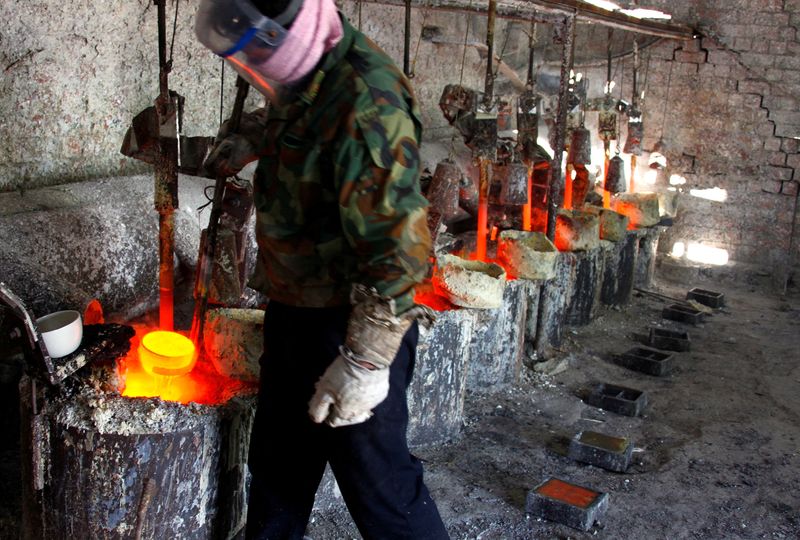
In a strategic shift that signals tightening control over its rare earth exports, China has approved only a “bare minimum” flow of critical mineral shipments for the current quarter — and India has not been placed on the priority list, sources familiar with the matter confirmed.
This move, though not officially characterized as an embargo, effectively sidelines several countries — including India — that depend on China for supplies of key materials like neodymium, praseodymium, dysprosium, and terbium, used in everything from electric vehicles and smartphones to defense systems and renewable energy tech.
“This isn’t a ban, but it’s as close as you can get without saying the word,” said an industry analyst tracking Beijing’s export behaviour.
Strategic Chokehold
China controls over 60–70% of the global rare earth supply chain, including mining, refining, and processing. The “bare minimum” approvals are part of a new export review mechanism aimed at protecting national security and technological superiority, according to Chinese regulators.
Countries with deepened technological ties or bilateral mineral agreements—such as Germany, South Korea, and the UAE—are being favoured in this restricted approval window. India, notably absent, has raised eyebrows among policy watchers and traders.
Impact on India
India, while home to its own rare earth deposits, still depends heavily on Chinese processed materials for advanced components and manufacturing. The current squeeze could directly affect sectors such as:
-
EV production and battery assembly
-
Wind turbine manufacturing
-
Defense procurement and radar systems
-
Semiconductor tool production
The Indian government, which has recently launched initiatives like KABIL (Khanij Bidesh India Ltd.) to secure rare earth resources from abroad, is expected to intensify global acquisition efforts and fast-track domestic processing capacity.
“This is a wake-up call to diversify sources and invest in indigenous extraction and refining,” said a senior official in India’s Ministry of Mines.
Geopolitical Undercurrent
The move comes amid increased geopolitical friction, including India’s participation in the Quad alliance and efforts to build supply chains independent of China. Analysts view China’s decision as both a commercial signal and diplomatic pressure tactic.
“By restricting rare earths, Beijing is reminding the world—particularly rising economies like India—who dominates the tech-enabling minerals space,” noted a strategic affairs expert.
A Race for Mineral Independence
As Beijing tightens its rare earth grip, India and many others are now forced to urgently re-strategize their access to these critical inputs. With technology-driven industries at stake, the scramble for alternative sources and domestic mineral resilience is no longer optional—it’s imperative.
Whether this spurs greater cooperation among China-wary nations or triggers a mineral cold war remains to be seen—but what’s clear is that India will need to move swiftly to avoid being left behind in the rare earth race.