
Rare Earth Supply Now Key Concern After China Curbs Exports: Companies Nudged to Build Critical Mineral Capacity

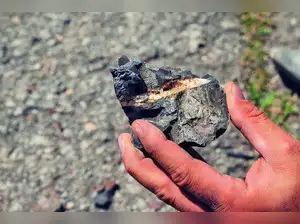
The global technology and defence sectors are facing fresh anxiety after China’s recent restrictions on rare earth exports reignited concerns over the world’s overdependence on a single source for critical minerals. The move, seen as a strategic assertion of control over high-value resources, has sent ripples across supply chains and prompted major economies and corporations to accelerate plans for building domestic and diversified mineral capacities.
1. China’s Strategic Grip on Rare Earths
China currently dominates the rare earth market, accounting for nearly 70% of global production and over 80% of processing capacity. These 17 chemically similar elements are essential for producing everything from electric vehicle motors and wind turbines to smartphones, guided missiles, and semiconductors. By tightening export restrictions, Beijing is leveraging its mineral dominance in response to global trade tensions and increasing geopolitical competition, particularly with the United States, Japan, and the European Union.
The restrictions have raised alarms among nations that rely heavily on Chinese supplies for high-technology manufacturing. Industries are now reassessing their exposure to supply disruptions, recognizing that a prolonged limitation could jeopardize production pipelines for renewable energy technologies, defence systems, and advanced electronics.
2. The New Geopolitics of Critical Minerals
Rare earths are no longer just industrial inputs—they are strategic assets that shape global power equations. As countries race toward net-zero emissions and digital transformation, demand for these materials has surged. Nations like the U.S., India, Australia, and Japan have begun treating rare earths as national security priorities, initiating policies to reduce dependency on China and secure long-term supply chains.
This shift marks the emergence of “resource nationalism,” where control over minerals translates into geopolitical influence. China’s move to curb exports reinforces the growing realization that the global economy’s green and digital future rests on securing sustainable access to these critical materials.
3. Corporate Response: Building Self-Reliance and Diversification
The immediate effect of China’s curbs has been a surge in strategic planning across industrial and energy corporations. Global companies are now being nudged—both by governments and investors—to develop or invest in alternative rare earth sources. Major mining and materials firms are exploring deposits in Australia, Canada, Africa, and India, while advanced research focuses on recycling rare earths from used electronics and industrial waste.
Downstream industries such as electric vehicle manufacturers, renewable energy firms, and semiconductor producers are also rethinking their sourcing strategies. Several are entering into long-term supply contracts, joint ventures, and technology-sharing agreements to ensure stability. The drive toward vertical integration—where companies control both extraction and processing—is gaining momentum, as it minimizes exposure to geopolitical shocks.
4. India’s Push for Critical Mineral Independence
For India, the situation underscores the urgency of scaling up domestic exploration and refining capabilities. The Indian government has already identified critical minerals—including lithium, cobalt, nickel, and rare earth elements—as vital to its industrial and clean energy ambitions. Initiatives such as the Critical Minerals Mission and collaborations with partner countries through frameworks like the Quad are designed to create resilient and transparent supply chains.
Indian public and private sector firms are being encouraged to invest in overseas mines, establish processing facilities, and develop local refining technologies. The focus is on reducing import dependency while ensuring that the country does not miss out on the global clean energy transformation.
5. Technological and Environmental Challenges
While diversification is essential, rare earth mining and refining come with significant environmental challenges. The extraction process involves radioactive waste and chemical pollutants, making sustainable practices and green technologies crucial. Developing nations aiming to expand production must balance economic opportunity with environmental responsibility.
Meanwhile, research into alternative materials and recycling technologies offers a promising path. Scientists are exploring substitutes for rare earths in magnet production and new methods for extracting these elements from discarded electronics—a process that could help reduce the strain on natural resources.
6. Global Collaboration and Strategic Alliances
The current situation is also fostering greater international cooperation. Countries are forming alliances to secure mineral access and share refining technologies. The U.S.-led Minerals Security Partnership (MSP) and the EU’s Critical Raw Materials Act are examples of initiatives aimed at building collective resilience.
By pooling investments and resources, nations hope to mitigate risks arising from single-source dependency. This collaboration also encourages transparency and sustainability in mining operations, aligning with global climate and ESG (environmental, social, and governance) goals.
7. Market Impact and Investor Sentiment
The rare earth supply crunch has already triggered volatility in global commodity markets. Prices for key elements like neodymium and dysprosium have spiked, and companies exposed to these inputs are facing cost pressures. Investors are now showing increased interest in exploration and processing ventures outside China, viewing them as long-term strategic bets.
This trend could spark a new wave of investment in mineral-rich regions, especially Africa, Latin America, and parts of Asia, as they become focal points in the race to secure rare earth resources.
8. Looking Ahead: The Age of Mineral Self-Reliance
The growing emphasis on critical minerals is reshaping industrial policy worldwide. As governments and corporations respond to China’s export restrictions, a new era of mineral self-reliance and technological innovation is taking shape. The focus is not only on securing supply but also on building sustainable, transparent, and equitable value chains that can support the next generation of industries.
Conclusion: A Wake-Up Call for the Global Economy
China’s decision to restrict rare earth exports is more than a trade measure—it’s a wake-up call for the global economy. The event underscores the strategic vulnerability of modern industries that depend on a few nations for vital resources. It is pushing the world toward diversification, innovation, and greater resilience.
In the long run, this disruption may prove beneficial, spurring investment, environmental responsibility, and international collaboration. But in the short term, it highlights a harsh reality: the race for rare earths is not just about minerals—it’s about who controls the building blocks of the future.