

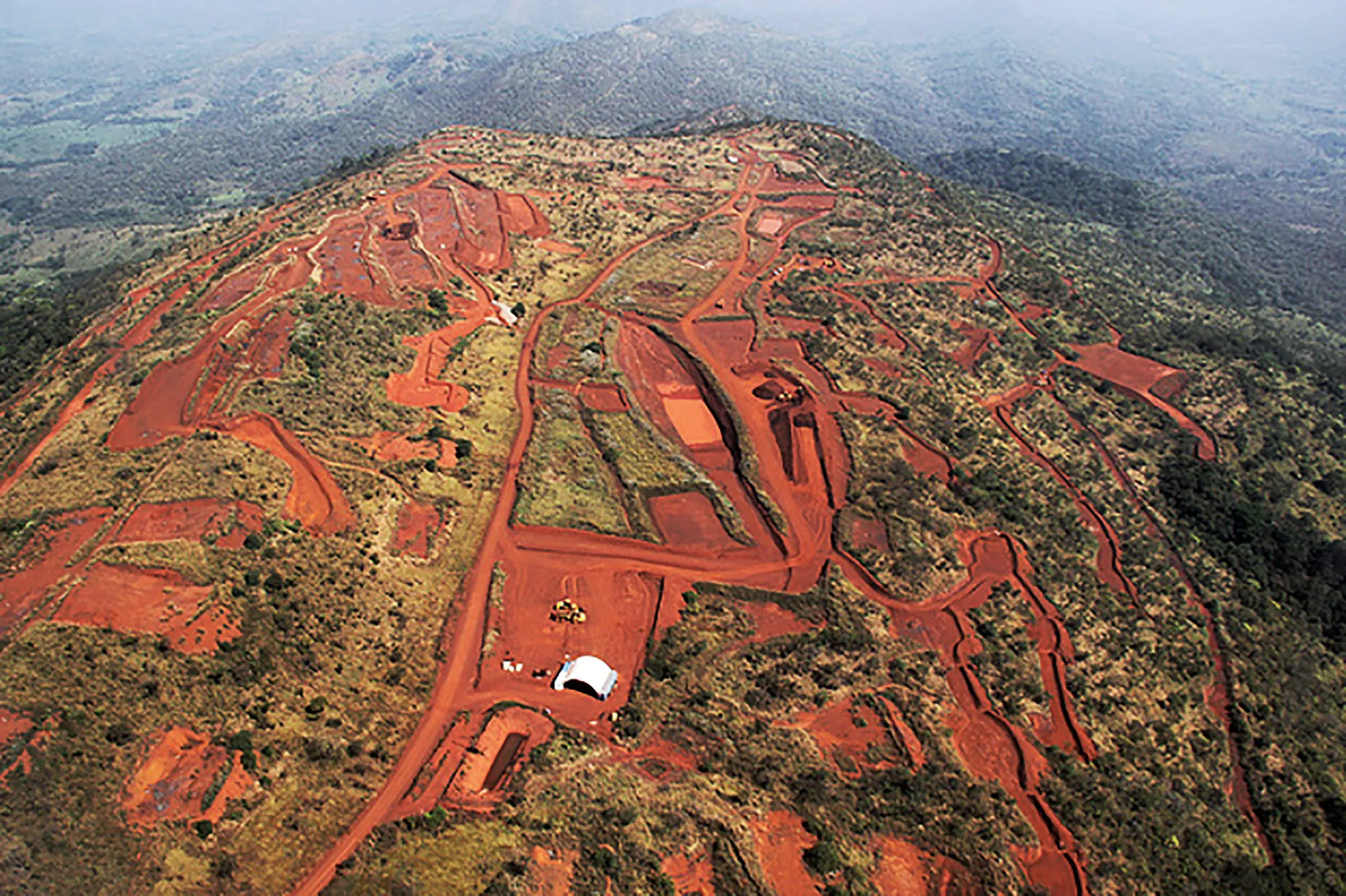
The long-delayed Simandou iron ore project in Guinea, one of the world’s largest untapped high-grade iron ore deposits, has gained fresh momentum after Rio Tinto and its partners secured a significant tax break from the Guinean government. The move is expected to accelerate development and strengthen the economics of the multi-billion-dollar venture.
Background: Simandou’s Strategic Value
Located in southeastern Guinea, Simandou is widely regarded as the crown jewel of global iron ore deposits, with reserves estimated at more than 2 billion tonnes of ore grading over 65% Fe. The project is being jointly developed by:
-
Rio Tinto
-
Winning Consortium Simandou (WCS)
-
Baowu Steel Group (China’s top steelmaker)
-
Government of Guinea
When operational, Simandou is expected to deliver up to 120 million tonnes of high-grade iron ore annually, reshaping global supply chains and challenging the dominance of Australian and Brazilian iron ore giants.
The Tax Break Agreement
According to official sources, the Guinean government has granted substantial fiscal concessions to Rio Tinto and its partners. While details remain confidential, the package reportedly includes:
-
Corporate tax relief during the initial production years.
-
Customs duty exemptions on imported equipment.
-
Stabilization clauses to protect investors from future tax hikes.
These incentives are designed to offset the high capital costs of developing Simandou, including the massive 600 km rail line and deep-water port required to export the ore.
Why It Matters
-
Boost to Global Iron Ore Markets
The entry of Simandou’s ore could increase competition for Australian and Brazilian suppliers, potentially lowering prices and reshaping trade flows. -
Guinea’s Economic Transformation
For Guinea, the project promises jobs, infrastructure, and billions in revenue. However, the government faces the challenge of ensuring benefits are widely shared among its population. -
China’s Strategic Win
With Baowu Steel’s involvement, China secures access to high-grade ore, reducing dependence on Australia amid ongoing trade tensions. -
Rio Tinto’s Growth Pipeline
For Rio Tinto, Simandou represents a rare opportunity to expand its iron ore portfolio beyond Australia, diversifying risks and supporting long-term growth.
Challenges Ahead
Despite the tax break, Simandou’s development is not without hurdles:
-
Political and social risks in Guinea.
-
Environmental concerns over large-scale mining and infrastructure.
-
Financing and execution challenges given the project’s scale.
The Guinean government’s decision to grant tax concessions to Rio Tinto and its partners is a decisive step forward for the Simandou iron ore project. While challenges remain, the combination of fiscal incentives, strategic partnerships, and surging global demand for high-grade iron ore makes Simandou a potential game-changer for both Guinea and the global steel industry.