
Rio Tinto Copper Output Climbs as Merger Talks with Glencore Gain Momentum

Global mining giant Rio Tinto reported a notable increase in copper production amid renewed talks of a potential merger with Swiss-based peer Glencore, underscoring the strategic importance of copper in the rapidly evolving global metals market.
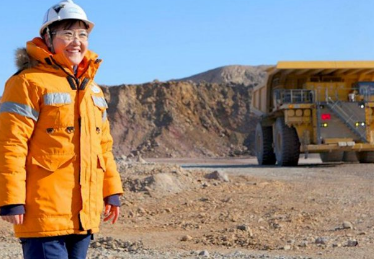
According to the latest production data, Rio Tinto’s copper output rose by approximately 5 percent in the fourth quarter of 2025, driven primarily by strong performance at the Oyu Tolgoi underground expansion in Mongolia, which offset weaker contributions from other operations such as Chile’s Escondida mine. The uptick in production reflects Rio Tinto’s operational improvements and positioning ahead of possible industry consolidation.
The production increase comes at a moment when merger discussions between Rio Tinto and Glencore are gaining attention. Preliminary talks have focused on creating one of the world’s largest mining entities by combining resources and market reach, although details and outcomes remain uncertain and dependent on regulatory approvals and strategic alignment between the two companies.
Copper’s rising importance stems from its critical role in electrification, renewable energy infrastructure, and high-growth sectors such as electric vehicles and data centers. As demand intensifies, large miners are under pressure to secure resource bases and production capacity, making consolidation an attractive, though complex, strategic option.
Industry analysts note that any successful merger between Rio Tinto and Glencore would create a dominant force in global copper markets, with expanded production capabilities and broader geographic footprint. However, regulatory scrutiny, particularly from competition authorities, could pose challenges, especially in major markets like China, where antitrust concerns have been raised in past mining megadeal reviews.
Rio Tinto’s increased copper output and ongoing discussions with Glencore reflect broader trends reshaping the mining sector as companies seek to adapt to shifting demand and competitive pressures. Investors and industry watchers will be closely following developments in both production performance and the potential merger process in the coming months.