
Rio Tinto Signals Strong Intent to Invest in U.S. Copper Amid Trump’s Tariff Proposal

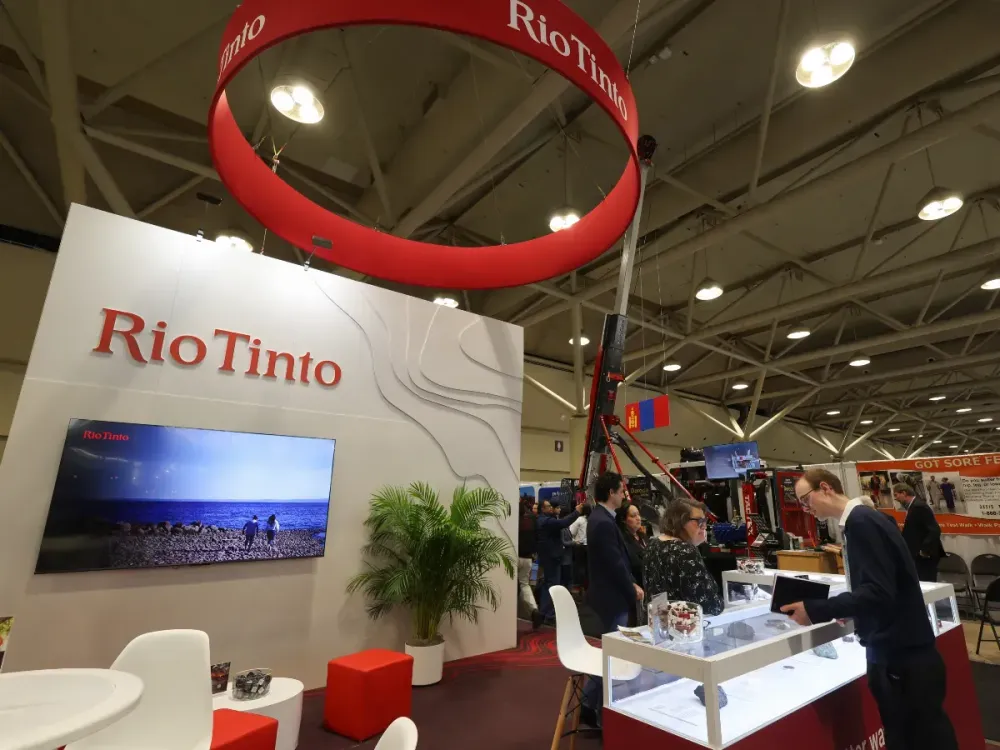
Rio Tinto has expressed a “strong desire” to expand its investments in U.S. copper mining, in response to President Trump’s proposed 50% Section 232 tariff on copper imports, set to take effect August 1, 2025. The company is positioning this policy shift as an opportunity to bolster domestic copper supply chains while aligning with strategic national priorities.
Executive Commentary
-
Katie Jackson, Rio Tinto’s Copper Chief, described growing support within the U.S. government for domestic critical mineral production, particularly copper, essential for manufacturing, infrastructure, and energy transition.
-
Jackson highlighted the “significant opportunities to grow our business in the United States” amid these policy changes, noting that skills and resources already exist to capitalize on them.
U.S. Operations & Projects
-
Resolution Copper (Arizona): A Rio–BHP joint venture that could potentially meet 25% of U.S. copper demand. It recently received Fast‑41 status, expediting permitting, though it still faces legal challenges and additional approvals.
-
Kennecott (Utah): A fully-owned Rio Tinto operation with integrated concentrator, smelter, and refinery—one of only two active U.S. copper smelters.
Strategic Implications of the Tariff
-
The proposed 50% tariff on copper imports intends to promote domestic production and secure strategic supply chains.
-
However, analysts caution that U.S. copper output cannot be quickly ramped up. Projects like Resolution still face long timelines due to permitting and legal processes.
-
Despite short-term uncertainty, the tariff and permit reforms create momentum and long-term incentives for companies like Rio to commit to U.S.-based mining.
Looking Ahead
-
Near-term: Rio Tinto may delay announcing investment plans until Resolution secures final approvals.
-
Mid-to-long term: With regulatory reforms potentially accelerating critical mineral projects, Rio stands ready to scale investment in U.S. copper, complementing its global portfolio in Chile, Mongolia, and Australia.
-
Complementary actions: U.S. industry lobbyists also suggest export restrictions on scrap and concentrate to compel domestic processing—a strategy Rio Tinto supports in parallel with import protections.