
Scientists Suggest Moon May Hold Large Reserves of Precious Platinum-Group Metals

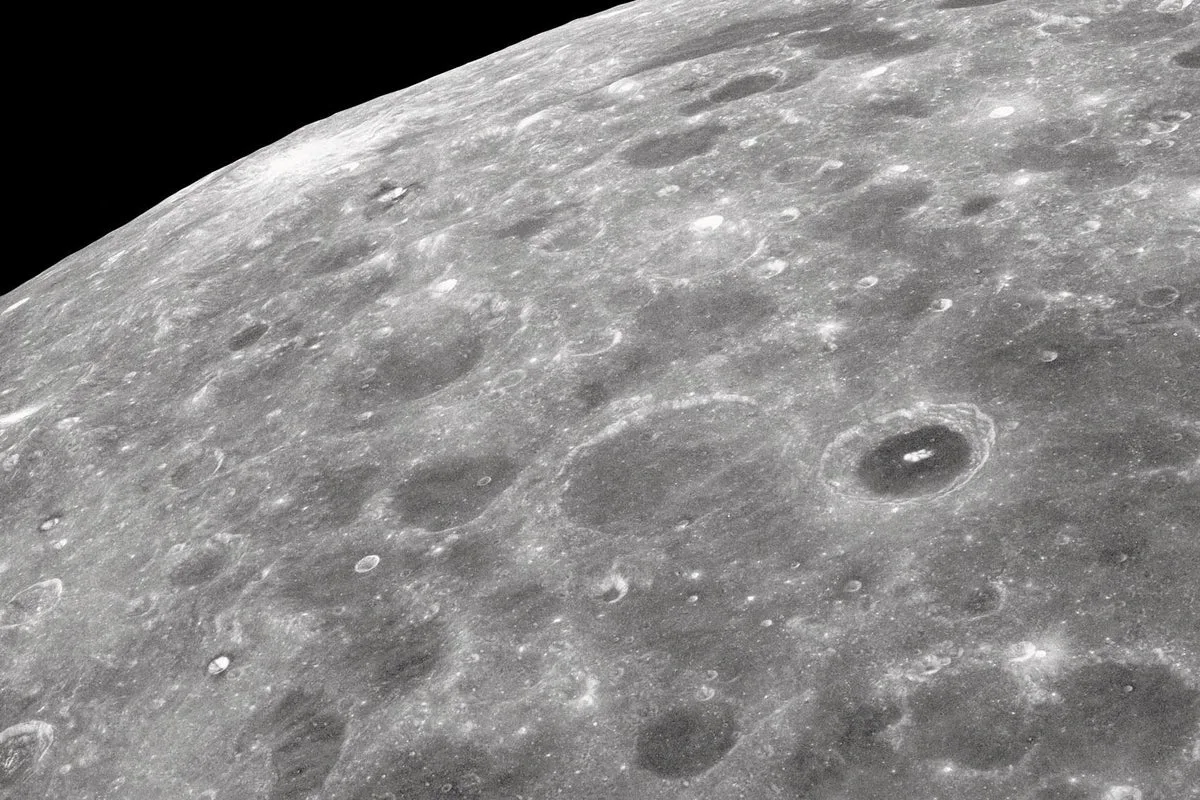
In a development that could redefine the future of space exploration and resource mining, scientists have suggested that the Moon may hold significant reserves of platinum-group metals (PGMs)—a collection of rare and highly valuable elements crucial to modern technology and industry.
Platinum-group metals, which include platinum, palladium, rhodium, ruthenium, iridium, and osmium, are among the most sought-after resources on Earth. Their unique properties make them indispensable in applications ranging from catalytic converters in automobiles to electronics, renewable energy technologies, medical equipment, and even advanced defense systems. The possibility of finding large reserves on the lunar surface has therefore sparked considerable excitement among researchers, policymakers, and private space ventures.
According to scientific studies, the Moon’s geological history, shaped by massive asteroid impacts and volcanic activity billions of years ago, may have concentrated precious metals beneath its surface. Some researchers believe that meteorites containing PGMs, which frequently struck the early Moon, left behind valuable deposits that remain largely untapped. With Earth’s own reserves under strain due to rising industrial demand, the Moon is increasingly being seen as a potential frontier for resource extraction.
The prospect of lunar mining is no longer just science fiction. Several space agencies, including NASA, ISRO, Roscosmos, and ESA, as well as private companies like SpaceX and Blue Origin, are working on missions that could pave the way for in-situ resource utilization (ISRU). While water and helium-3 have traditionally been the focus of lunar resource discussions, the idea of platinum-group metals on the Moon adds an economic dimension to space exploration, with the potential to fuel a new space race driven by both energy and industry.
However, experts caution that extracting these metals from the Moon poses enormous technological and legal challenges. Developing cost-effective mining and transport systems in the harsh lunar environment will require breakthroughs in robotics, autonomous operations, and space logistics. Moreover, questions about ownership and the governance of extraterrestrial resources remain unsettled under international law, particularly the Outer Space Treaty of 1967, which prohibits any nation from claiming sovereignty over celestial bodies.
Despite these hurdles, the potential rewards are immense. Even small quantities of PGMs can be worth billions of dollars, and their availability from extraterrestrial sources could ease global supply pressures while reducing geopolitical dependencies. Scientists argue that lunar mining could eventually complement terrestrial supply chains, helping secure critical materials for the green energy transition and the rapidly expanding electric vehicle sector.
The suggestion that the Moon could harbor vast reserves of platinum-group metals also reshapes the vision of humanity’s future in space. Beyond scientific exploration, the Moon may emerge as a hub of economic activity, supporting industries, creating new jobs, and driving innovations that could spill over to Earth.
As research continues and lunar missions advance, the idea of mining platinum from the Moon may shift from speculation to reality. For now, the discovery remains a tantalizing possibility—one that highlights how the Moon, long admired for its beauty and mystery, may also hold the keys to unlocking humanity’s next great leap in technology and industry.