
Shaping the Future of Mining: Integrating Regulation, ESG, Technology, and CSR

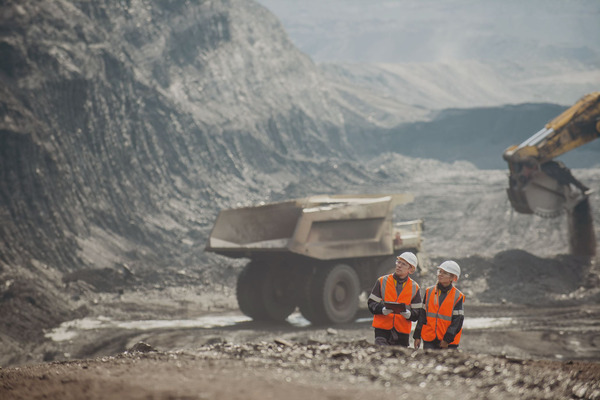
Mining sector stands at a pivotal moment in a world where natural resources underpin progress. With industries and nations prioritizing sustainability and self-reliance, mining must evolve through robust regulatory frameworks, environmentally and socially responsible practices, technological innovation, and purposeful corporate social responsibility (CSR). This article explores how the industry can transform, using the metaphor of a rose in a dustbin to highlight the untapped potential of underutilized mineral resources.
A Rose in the Dustbin: A Metaphor for Underutilized Resources
Like a rose discarded once its beauty fades, mineral resources hidden in overburden (OB) or mine waste are often overlooked despite their valuable by-products. This metaphor underscores the need to re-evaluate mining practices to ensure no resource is wasted, setting the stage for a sustainable mining revolution.
Regulatory Framework: The Foundation of Strategic Resource Utilization
The fragility of resource security was starkly revealed in June 2025 when China halted specialty fertilizer exports to India, exposing the nation’s reliance on imported potash. Despite glauconite—a viable domestic potash source—being available, its potential remained untapped for years due to regulatory oversights. The tide turned with persistent advocacy, starting with the 2017 National Academy of Agricultural Sciences (NAAS) strategy paper and culminating in the 2023 Mines and Minerals (Development and Regulation) Amendment Act. This legislation recognized glauconite as a critical mineral, leading to the auctioning of glauconite blocks in late 2023. This evolution demonstrates how legislative reform can unlock strategic resources, safeguarding national interests.
Environmental, Social, and Governance (ESG): Turning Liabilities into Assets
Mining often carries a negative ESG reputation, but a paradigm shift is underway. Mine overburden, once considered waste, is now recognized as a treasure trove of critical minerals like rare earth elements (REEs). Notable findings include:
-
OB samples containing valuable minerals such as quartz, kaolinite, muscovite, and illite.
-
Bhabha Atomic Research Centre (BARC) studies identifying REE concentrations in OB and coal fly ash from power plants.
This shift opens avenues for repurposing waste, reducing environmental footprints while boosting economic value, transforming liabilities into assets.
Technological Advancements: Pioneering the Next Mining Frontier
Emerging technologies are revolutionizing mineral extraction and processing:
-
Coal Fly Ash (CFA) Recovery: Energy Dispersive X-Ray Spectroscopy (EDS) and magnetic separation enable the extraction of REEs like gadolinium, dysprosium, and erbium from CFA, offering a sustainable resource recovery method.
-
Sensor-Based Sorting (DE-XRT): Dual-energy X-ray transmission, enhanced by machine learning, sorts minerals in a dry, non-destructive manner. Already deployed globally, this technology is adaptable to India’s mining needs.
-
Ionic Leaching: Eco-friendly ionic liquids and eutectic solvents facilitate REE extraction from OB and CFA, with support from the Department of Science & Technology driving research.
-
Biosorption Using Engineered Proteins: Proteins like Lanmodulin (LanM) and engineered peptides selectively bind REEs, providing a biotechnological solution for metal recovery and environmental remediation.
These innovations promise to enhance efficiency, reduce ecological impact, and unlock new mineral reserves.
Corporate Social Responsibility (CSR): A New Role in Mining
CSR in mining must extend beyond environmental protection to include employment generation and health-focused practices. The U.S.-based Stibnite Gold Project, which recovers gold and antimony from WWII-era mine waste, serves as a model. By employing local communities and adopting safe extraction methods—avoiding acid-leaching—such projects balance profit with social good. In India, CSR initiatives could focus on reskilling workers and supporting health programs in mining regions.
Recommendations and Path Forward
To realize this sustainable vision, the following steps are essential:
-
Characterization of Overburden: Conduct detailed analyses during initial exploration to identify valuable minerals in OB.
-
Mineralogical Surveys for Every Borehole: Assess both host and by-product minerals early to maximize resource recovery.
-
Extraction of By-Products: Develop tailored processes to extract even low-concentration minerals systematically.
-
Updated Mining Curriculum: Integrate non-traditional mineral processing technologies into engineering education.
-
Shift to M-Sand from Riverbed Sand: Reduce ecological damage by using manufactured sand, preserving mineral-rich riverbeds.
-
Environmental Policy Reforms: Update regulations based on committee recommendations to support sustainable practices.
Spotlight on Tantalum Discovery
A significant breakthrough emerged from IIT Ropar, where researchers discovered Tantalum in Punjab’s Sutlej river sands. This critical metal, vital for semiconductors, electronics, and aerospace, highlights the need to re-evaluate India’s geological wealth beyond traditional zones. This finding reinforces the potential of overlooked resources and the importance of advanced exploration techniques.
The mining sector’s future hinges on transforming underutilized resources into opportunities through regulatory reform, ESG integration, technological innovation, and enhanced CSR. From glauconite to Tantalum, India’s mineral wealth can fuel sustainable progress if harnessed responsibly. As the industry navigates this juncture, adopting these strategies will ensure it remains a cornerstone of global development while preserving the planet for future generations.