

Support CleanTechnica’s work through a Substack subscription or on Stripe.
Or support our Kickstarter campaign!
Clean, renewable energy is cost competitive with fossil fuels, and in some cases costs less. Factoring in all the costs, including climate change impacts and harm to human health from fossil fuels, clean renewables make even more sense.
In some cases where remote communities need to be able to generate their own electricity instead of relying on polluting diesel generators and continuously paying for more diesel fuel, not to mention importing it (which drives up the cost), solar power and energy storage play something like a hero role. They do this by having one capital cost, the initial equipment and installation costs. Afterwards they only use free sunlight to generate electricity. If there is energy storage, it can store the excess solar power to use at other times.
Freedom Forever answered some questions about two new solar power projects for CleanTechnica.
Northern Cheyenne Buffalo Reservation Project
What is the kW of the fully off-grid solar and battery microgrid on the Northern Cheyenne Reservation?
The Northern Cheyenne Tribe’s buffalo caretaker site is powered by a 36 kW off-grid solar system. This brings reliable and clean electricity to a culturally significant location with no access to the power grid.
What is the battery duration?
The battery storage capacity is 58 kWh, which allows the site to store solar energy for use after sunset and during periods of low sunlight. For context, 58 kWh can power an average U.S. home for about 48 hours, although exact timing can vary.
What is the buffalo management work?
The off-grid system powers a remote buffalo caretaker site connected to the Northern Cheyenne Tribe’s buffalo program. It supports the day-to-day needs of buffalo herd management in a rural area. The effort is tribal-led and is significant to food sovereignty and cultural revitalization.
How does the solar and battery storage reduce or eliminate diesel fuel?
Because the buffalo caretaker site is remote and not connected to the grid, power needs have historically required diesel generators to keep operations running. With solar energy and battery storage, the site can operate with reliable, emissions-free electricity, eliminating dependence on diesel fuel, generator maintenance, and the recurring costs and pollution that come with fossil-based backup power.
Give Power Project
How was electricity and clean water brought to a remote village in Kajiado County, Kenya, for the first time?
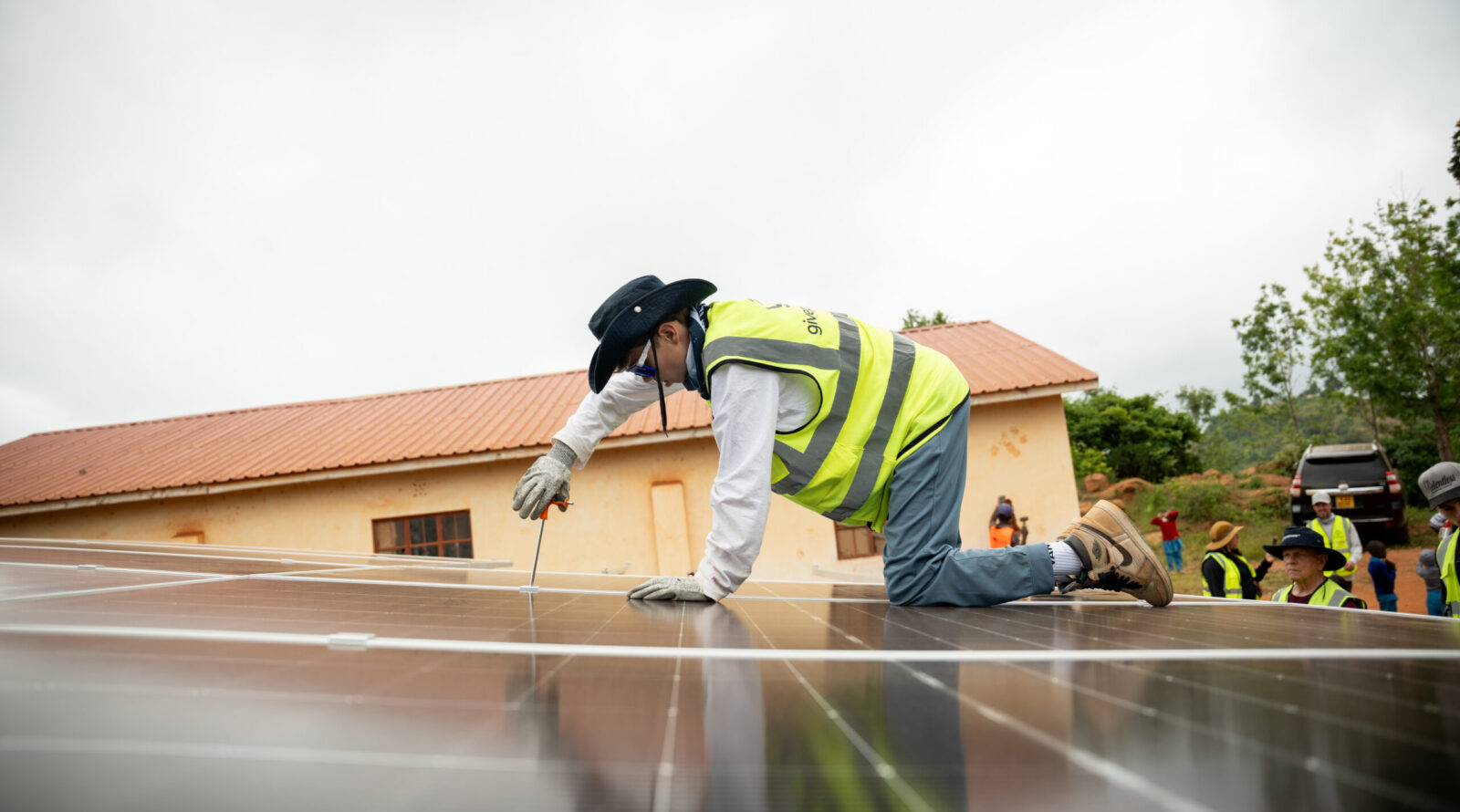
Freedom Forever partnered with Give Power to deliver electricity by installing a solar-powered system at a remote school, providing a reliable source of power to a community that previously lacked the infrastructure.
Give Power’s broader model includes solar-powered purification and desalination systems that turn unsafe salty or brackish water into safe drinking water. This allows for clean water access without traditional power grid reliance.
How many people live in the village?
The school directly serves 163 students, and the surrounding village is home to approximately 2,500 people. While the project is centered at the school, its benefits extend well beyond the campus—creating a ripple effect throughout the broader Community.
What will they use the electricity for?
The solar system powers daily school operations including lighting, staff housing, and enabling students’ use of laptops and digital learning tools for the first time. It also improves community safety by providing lighting that helps deter wildlife at night.
Were they previously using unclean water?
Prior to intervention, access to clean water was difficult, as nearby water sources required purification to be safe.
Can using clean water prevent diseases?
Access to clean drinking water significantly reduces waterborne illnesses and infections, especially those linked with contaminated water sources. Clean water supports healthier learning environments for students, as they miss fewer school days due to illness.
Support CleanTechnica via Kickstarter

Sign up for CleanTechnica’s Weekly Substack for Zach and Scott’s in-depth analyses and high level summaries, sign up for our daily newsletter, and follow us on Google News!
Have a tip for CleanTechnica? Want to advertise? Want to suggest a guest for our CleanTech Talk podcast? Contact us here.
Sign up for our daily newsletter for 15 new cleantech stories a day. Or sign up for our weekly one on top stories of the week if daily is too frequent.
CleanTechnica uses affiliate links. See our policy here.
CleanTechnica’s Comment Policy