
South32’s Hermosa Mine Clears Key Permitting Hurdle with Release of Draft Environmental Impact Statement

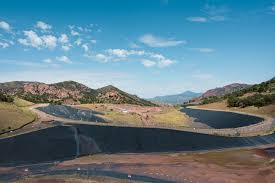
In a significant development for the U.S. critical minerals supply chain, South32’s proposed Hermosa zinc-manganese mine in southern Arizona has reached a major permitting milestone. On Friday, the U.S. Forest Service (USFS) released the Draft Environmental Impact Statement (DEIS) for the project, marking a crucial step in the federal review process and bringing the project closer to construction approval.
This marks the first time in over 30 years that a mine producing battery-grade manganese in the United States has progressed to this stage of permitting—underscoring the strategic importance of Hermosa in national efforts to secure domestic sources of energy transition minerals.
What Is the Hermosa Project?
Located in Santa Cruz County, the Hermosa Project is South32’s flagship U.S. venture, aiming to extract zinc, silver, and high-purity manganese—a mineral essential to electric vehicle (EV) batteries and renewable energy storage.
The site includes two primary deposits:
-
Taylor Deposit: Zinc-lead-silver sulfide ore, with potential to supply high-grade zinc for galvanized steel and industrial uses.
-
Clark Deposit: Manganese-rich ore targeted for the production of battery-grade manganese sulfate, currently not produced in the U.S.
South32, an Australia-based mining giant, acquired the project in 2018 and has since invested heavily in environmental studies, infrastructure, and community outreach to push it toward production.
Importance of the Draft EIS
The Draft Environmental Impact Statement is a cornerstone of the National Environmental Policy Act (NEPA) process. It assesses the project’s impact on water resources, wildlife, air quality, and nearby communities, and provides alternatives and mitigation strategies.
The release opens a public comment period, where stakeholders—including local communities, environmental groups, and tribal nations—can voice concerns or support. Once finalized, the Final EIS and subsequent Record of Decision (ROD) will determine whether the mine receives full federal approval.
According to the USFS, the DEIS evaluates not only the environmental footprint but also the economic benefits of Hermosa, including over 1,000 potential jobs and support for downstream industries.
Strategic Significance for U.S. Supply Chains
The Hermosa mine has drawn federal interest because of its potential to reduce U.S. reliance on foreign sources of critical minerals, especially manganese, which is currently imported primarily from South Africa, China, and Gabon.
In fact, the Clark manganese deposit could become the first domestic source of battery-grade manganese, positioning the U.S. to strengthen its EV and renewable energy infrastructure.
The Biden administration has emphasized the need to secure clean energy supply chains, and Hermosa is seen as a potential flagship project under that mandate. In 2023, the U.S. Department of Energy designated the Hermosa Project as a high-impact infrastructure asset under the Federal Permitting Improvement Steering Council (FAST-41).
What’s Next?
With the DEIS released, the public has 90 days to submit comments, after which the USFS will revise and publish a Final EIS, likely in early 2026. If all goes to plan, South32 could begin construction soon after receiving its Record of Decision.
CEO Graham Kerr praised the milestone, saying, “Hermosa has the potential to become a cornerstone of sustainable mineral production in the U.S. and support the clean energy transition for decades to come.”
Challenges Ahead
Despite the milestone, the project faces challenges, including water usage concerns, potential habitat disruption, and opposition from conservation groups concerned about the Coronado National Forest region’s ecological sensitivity. South32 has committed to using dry stack tailings, water recycling, and other low-impact technologies to address these concerns.
The local community, while largely supportive due to the economic benefits, remains divided on long-term environmental implications.