
Tata Steel MD Predicts Recycling Industry Will Eclipse Mining by 2050

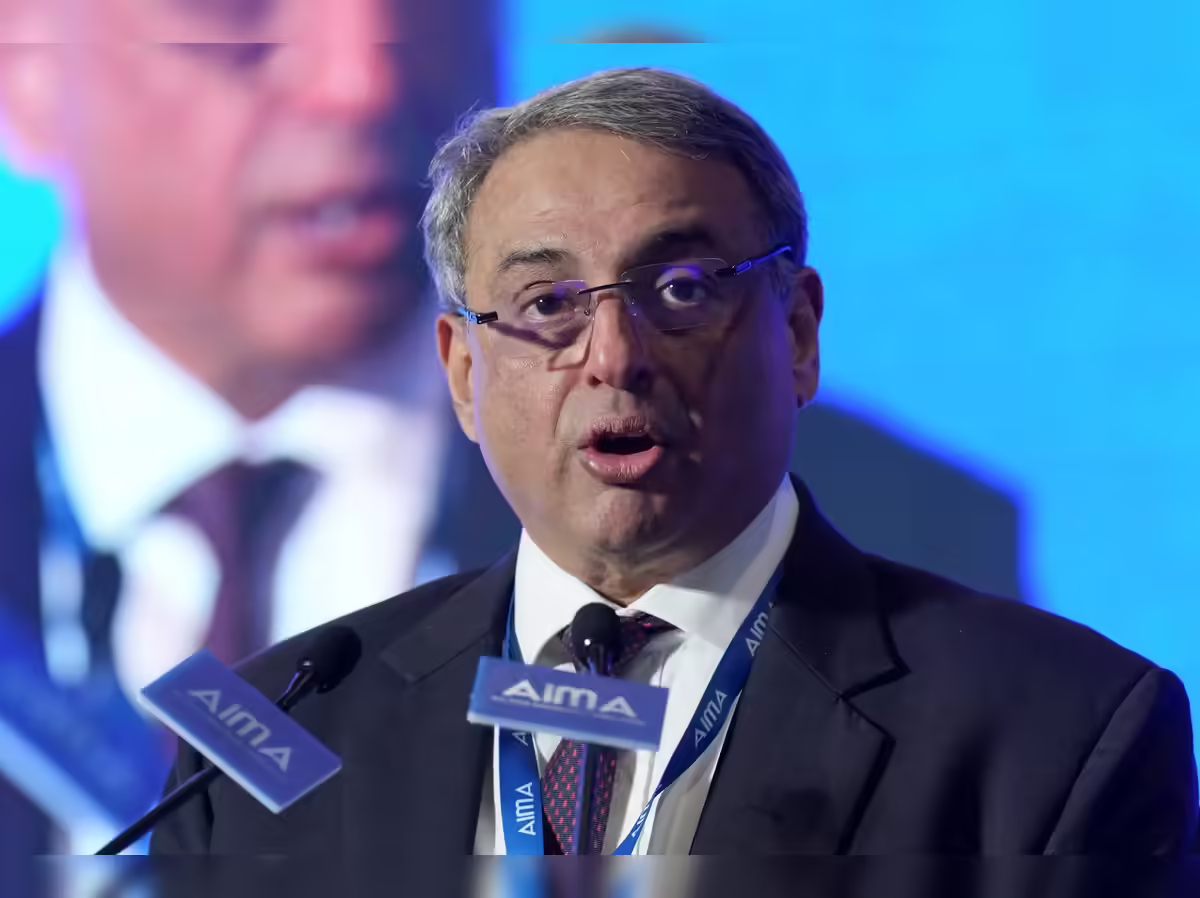
Tata Steel Managing Director T. V. Narendran has forecast a major shift in the global steel industry, predicting that the recycling sector will overtake mining by the year 2050. Speaking at the 50th National Management Convention organized by the All India Management Association (AIMA), Narendran emphasized how this transformation will redefine sustainable steel production and global resource management.
Recycling: The Industry of the Future
Narendran highlighted that steel is used 40 times more than any other metal and contributes to nearly 8% of global carbon emissions. To transition toward a more sustainable future, Tata Steel is investing in steel recycling, hydrogen-based processes, and decarbonization technologies.
“The recycling industry will be bigger than the mining industry in the next 20–30 years,” said Narendran, urging companies to pivot toward sustainability and long-term value creation.
Eco-Friendly Steel: EAF and Scrap Innovations
Tata Steel is already leading this change with several green initiatives:
-
Rohtak Recycling Plant: India’s first digital scrap processing facility, operational via the FerroHaat app, processed over 112,000 tonnes of scrap in its first year and generated significant revenue.
-
Electric Arc Furnace (EAF) Plants: The upcoming 0.75 million tonne per annum plant in Ludhiana will contribute to reducing carbon intensity. EAFs emit about 0.3 tonnes of CO₂ per tonne of steel—over 85% less than traditional coal-based plants.
Tata Steel’s Circular Economy Approach
The company is not only focused on recycling but has adopted a full-spectrum circular economy model, including:
-
100% solid waste reuse across plants in Jamshedpur, Kalinganagar, and Meramandali
-
Production of eco-friendly construction materials like Tata Aggreto and Tata Nirman, derived from slag
-
Launch of Dhurvi Gold, a soil enhancer developed from steelmaking by-products
These steps align Tata Steel’s operations with global environmental goals while promoting local infrastructure development.
Global Industry Trends
Industry projections suggest that by 2050, as much as 70% of global steel may be produced from recycled scrap. With scrap increasingly recognized as a strategic resource, the recycling sector is expected to attract heavy investment and policy focus.
Technology and Talent for the Green Shift
Narendran also underscored the role of vocational education in preparing a future-ready workforce for the green transition. He cited global best practices where young talent is trained in industrial skills early, helping bridge the gap between academic learning and industry needs.
In line with digital transformation goals, Tata Steel is also integrating platforms such as Aashiyana, DigECA, COMPASS, and Nexus to streamline operations and enhance customer service in a digitally connected ecosystem.
Tata Steel’s long-term vision, as outlined by its MD, positions recycling not just as an environmental necessity but as a strategic economic driver. As the global steel industry moves away from mining and toward circularity, companies like Tata Steel are preparing to lead with innovation, efficiency, and sustainability. If these efforts continue at scale, the global recycling industry could well surpass mining in size and impact by 2050.