
The Gold Surge: What Investors Need to Know
MMPI Market Watch | World Gold Council strategists decode the global rally and its implications for India’s bullion economy

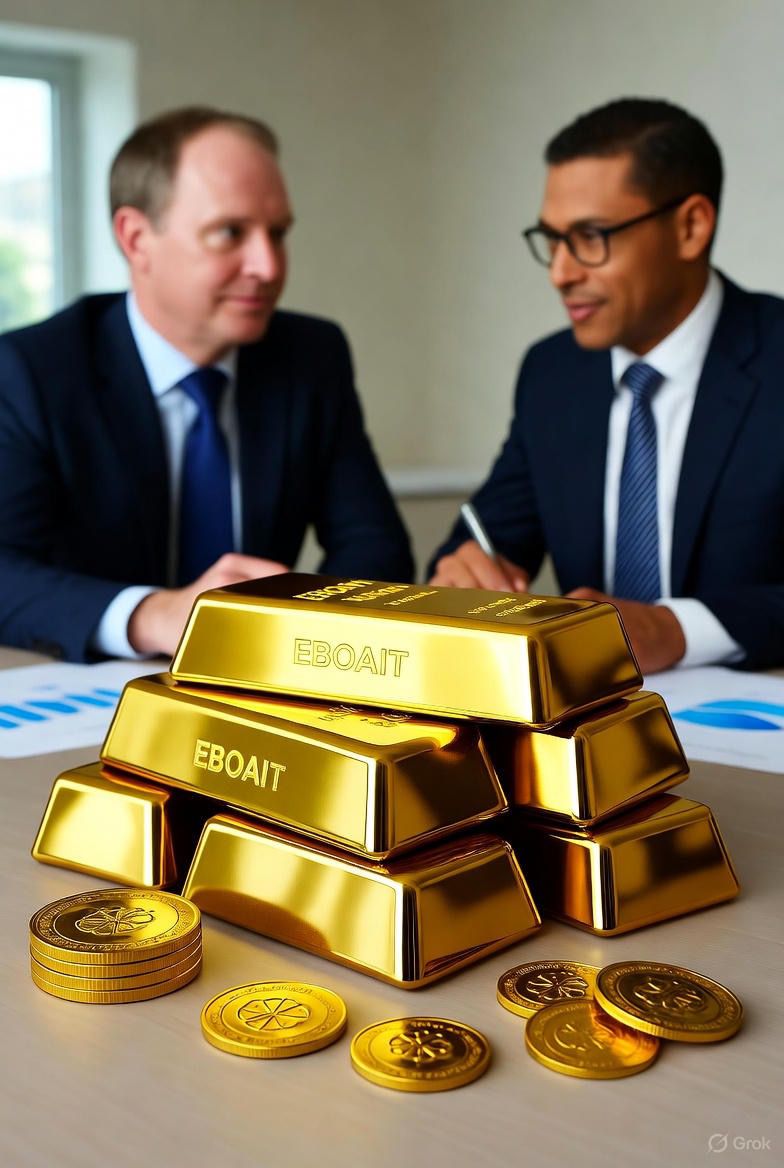

As macroeconomic turbulence grips global markets, gold has once again assumed its role as a safe-haven and strategic asset. In the October 8 episode of the World Gold Council’s podcast “Unearthed,” Senior Market Strategists John Reade and Joseph Cavatoni analyse the ongoing surge in gold prices, the growing influence of ETF investments, and how fiscal uncertainty — including the risk of a U.S. government shutdown — continues to shape investor behaviour worldwide.
Macroeconomic Anxiety Drives the Rally
Global gold prices have climbed sharply through Q3 2025, supported by a cocktail of factors — high interest-rate volatility, fiscal gridlock in advanced economies, and rising geopolitical tensions. Reade notes that every bout of policy instability “reminds markets of gold’s essential purpose — to protect capital when confidence collapses.”
For many institutions, this has translated into renewed ETF inflows after a period of outflows, particularly in North America and Europe. Investors appear to be re-allocating toward tangible, inflation-resilient assets as currency markets remain unpredictable.
ETF Momentum and Institutional Positioning
Cavatoni highlights that the latest phase of buying is led not only by retail investors but also by pension funds and sovereign institutions, which are re-balancing portfolios to include physical-backed ETFs. The move underscores a broader recognition: in a world of digital liquidity and fragile debt markets, bullion provides both stability and optionality.
Asian markets — including India — remain active on the physical side, with steady jewellery demand complemented by rising interest in digital gold platforms and exchange-linked instruments.
Strategic Insights for Indian Investors
For Indian investors, the surge reinforces gold’s dual identity as both a commodity and a currency of trust. In the current environment of currency depreciation risk and moderate inflation, MMPI analysts observe that gold’s low correlation to equities and strong inflation-hedge characteristics make it a vital component of long-term wealth preservation.
The gold market also continues to be shaped by government policies on bullion imports, hallmarking, and integration of digital and physical trading ecosystems, which collectively influence domestic price trends.
Conclusion
As John Reade and Joseph Cavatoni suggest, gold’s story is not just cyclical — it is structural. The metal’s enduring resilience through economic uncertainty reaffirms its role as a timeless hedge. Whether reacting to fiscal paralysis, inflationary waves, or geopolitical shocks, gold persists as the asset that balances fear with foresight.
In essence, investors don’t just buy metal — they buy peace of mind.