
The Role of Barite in High-Sulphidation Epithermal Systems

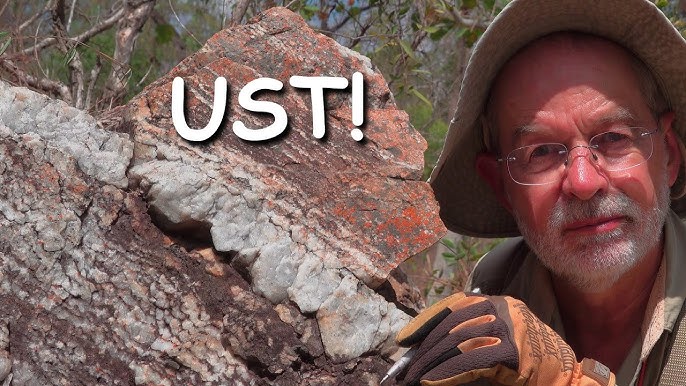
Barite (BaSO₄), a barium sulphate mineral, plays a critical role in the geological evolution of high-sulphidation epithermal systems. These systems, typically associated with volcanic arc settings, are formed by the interaction of acidic, oxidized hydrothermal fluids with host rocks at shallow crustal levels. The presence of barite is often linked to advanced argillic alteration zones and can serve as a valuable indicator of proximity to precious metal mineralization, especially gold and silver.
High-Sulphidation Epithermal Systems: A Quick Primer
High-sulphidation epithermal systems are part of the broader family of epithermal deposits and are usually associated with:
-
Volcanic-hosted settings (andesitic to rhyolitic compositions)
-
Shallow crustal environments (less than 1.5 km depth)
-
Highly acidic hydrothermal fluids enriched in SO₂, HCl, and volatile metals
These fluids cause extensive alteration of the surrounding rocks and the deposition of minerals like alunite, pyrophyllite, dickite, and barite, along with sulphides and precious metals in deeper zones.
Courtesy:- GeologyUpSkil (Youtube)
Barite’s Geological Role and Formation
Barite forms when barium-rich hydrothermal fluids encounter sulphate-rich conditions, typically through the oxidation of sulphur gases like SO₂ to form sulphuric acid. The resulting environment is ideal for sulphate mineral precipitation, especially barite.
In high-sulphidation systems, barite is commonly:
-
Found in vuggy silica zones, often with alunite and hematite
-
Associated with the uppermost levels of the hydrothermal system
-
Formed during late-stage cooling and mixing of fluids with meteoric waters
Barite is stable under oxidizing conditions, making it a typical product of sulphate-saturated, acidic fluids—a hallmark of high-sulphidation systems.
Indicator of Hydrothermal Activity and Mineralization
Barite’s presence can provide important insights into the temperature, chemistry, and redox conditions of the hydrothermal system:
-
Pathfinder Mineral: Barite is often used as a vector mineral in exploration, pointing toward deeper, gold-rich zones.
-
Fluid Evolution Marker: Its crystallization marks a change in fluid conditions—typically from a volatile-rich, high-temperature regime to a cooler, sulphate-saturated one.
-
Zoning Guide: Barite may define zonation patterns in the deposit, often found in transition zones between barren advanced argillic alteration and mineralized quartz-alunite cores.
Associations and Paragenesis
Barite is rarely a stand-alone mineral. In high-sulphidation epithermal deposits, it is typically associated with:
-
Alunite, kaolinite, dickite: In upper alteration zones
-
Hematite, jarosite: Indicating oxidation
-
Sulphides (enargite, pyrite, covellite): In deeper zones, sometimes occurring beneath barite-rich caps
-
Gold-silver mineralization: Often lies beneath or adjacent to barite zones, making it a strategic exploration target
Exploration and Economic Implications
Although barite itself is an industrial mineral used in drilling fluids and paints, in the context of high-sulphidation systems, its value lies in what it indicates, not what it’s worth. Barite-rich zones:
-
Help define the architecture of hydrothermal systems
-
Provide clues to fluid pathways and boiling zones
-
Are used to map the top of mineralized zones in exploration drilling
-
May be re-evaluated as potential by-product resources in large-scale mining
Barite is more than just a common sulphate mineral—it is a geochemical beacon in high-sulphidation epithermal systems. Its formation reflects the complex interplay between oxidized acidic fluids and host rock interactions. For exploration geologists, barite serves as a valuable indicator mineral, guiding drilling strategies and understanding deposit geometry.
In short, the presence of barite in high-sulphidation systems can help unlock the secrets of fluid evolution, alteration zonation, and most importantly, proximity to economic gold and silver mineralization.