
The Uneven Equation: Top 16 Mining Companies Earn Half of What the Top 3 Tech Giants Make

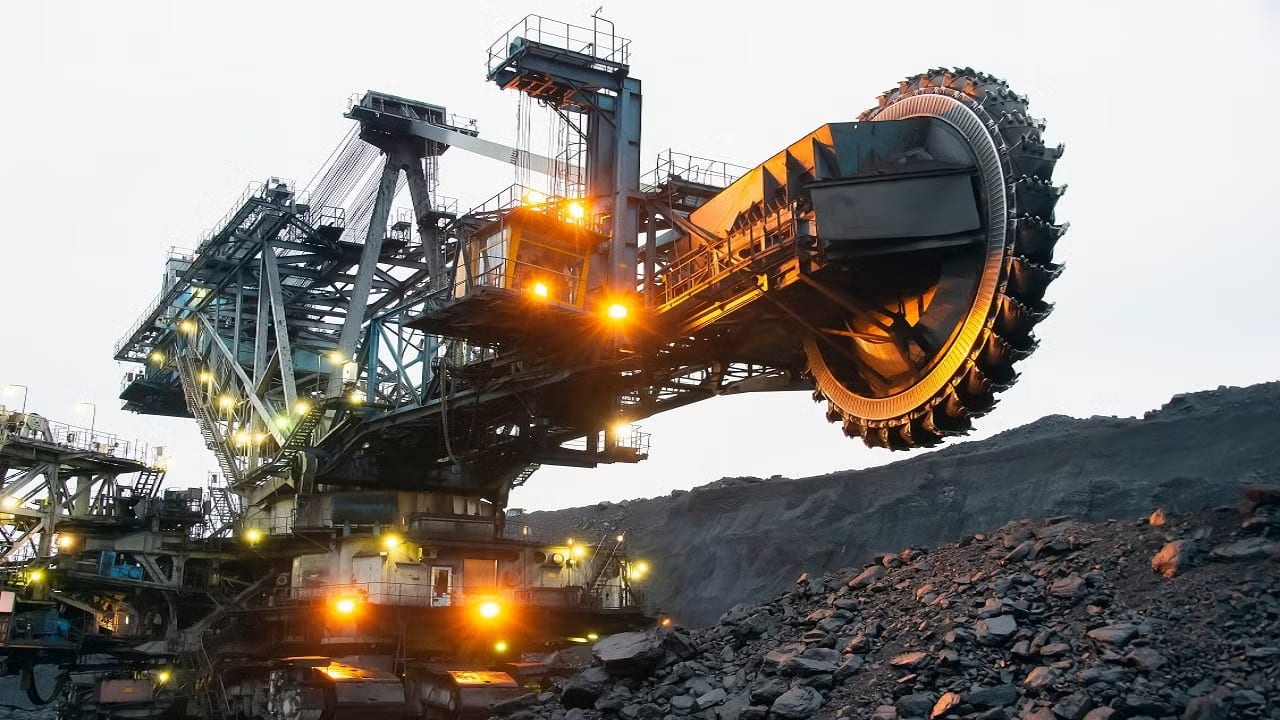
In an age dominated by digital transformation, artificial intelligence, and the green energy transition, a paradox sits at the heart of the global economy: the top 16 mining companies in the world collectively earn just about half the revenue generated by the top three high-tech giants. This contrast—between the industries that power the future and those that enable it—reveals deep structural imbalances in how global value is created, distributed, and perceived.
Top Mining Giants: Revenue & Earnings Snapshot
The leading global mining companies—those producing iron ore, copper, coal, lithium, and rare earths—are performing strongly amid surging demand for critical minerals. Here’s a look at the most recent financials:
| Rank | Company | Revenue (USD bn) | Net Earnings (USD bn) |
|---|---|---|---|
| 1 | Glencore | 256.0 | 22.9 |
| 2 | BHP Group | 55.7 | 18.2 |
| 3 | Rio Tinto | 53.7 | 17.2 |
| 4 | China Shenhua Energy | ~48.3 | ~11.7 |
| 5 | Jiangxi Copper | 72.5 | 0.97 |
| 6 | Vale | 41.5 | 12.6 |
| 7 | Zijin Mining | 41.8 | 5.9 |
| 8 | Aluminum Corp. of China | 42.5 | — |
| 9 | Anglo American | 27.4 | –2.8 (net loss) |
| 10 | Hindalco Industries | 27.8 | — |
| 11 | CMOC Group | 25.3 | — |
| 12 | Freeport-McMoRan | 25.6 | 7.4 |
| 13 | Nutrien | 26.6 | 1.0 |
| 14 | Yanzhou Coal Mining | 17.0 | 4.75 |
| 15 | Teck Resources | 14.5 | 2.2 |
| 16 | South32 | 12.1 | 1.3 |
Total revenue: ~$678 billion
Total earnings: ~$124 billion
In comparison, Apple, Microsoft, and Alphabet (Google) together posted over $1.4 trillion in revenue and $379 billion in combined net income in the same period.
The Tech-Mining Disconnect
This massive earnings gap underscores the market’s skewed reward system: downstream technology gets the profits, while upstream extractive industries bear the costs.
While tech firms deliver software, devices, and platforms, none of it is possible without copper, lithium, nickel, aluminum, and rare earths. The cloud runs on mined materials. Every server, EV battery, smartphone, and wind turbine begins at the mine site. Yet, in financial terms, the miners remain the unsung engines of global transformation.
Why Mining Lags in Valuation
-
Longer Investment Cycles: Mining projects can take 7–10 years to become operational, slowing returns.
-
High Capex and ESG Pressures: Environmental, social, and governance (ESG) concerns increase costs and reduce investor appetite.
-
Commodity Price Volatility: Earnings depend heavily on global prices, which are cyclical and politically sensitive.
-
Lack of Market Narrative: Tech sells disruption and innovation; mining sells reliability and volume.
A Sector in Transition
Despite the challenges, the mining sector is experiencing a revival driven by the energy transition:
-
Green metals demand is soaring for lithium, cobalt, copper, and graphite.
-
EV growth and battery manufacturing have made miners key players in the future of mobility.
-
BHP, Rio Tinto, and Glencore are increasingly investing in sustainable practices and automation.
China’s Shenhua and Zijin are emerging as aggressive, state-backed players, consolidating supply and building global networks, further raising the strategic stakes.
Closing the Gap: What Needs to Change
To rebalance global value chains and ensure miners are rewarded appropriately for their role, several actions are needed:
-
Tech-Mining Integration: Closer collaboration between mining firms and high-tech companies to secure long-term mineral supply.
-
Policy Reforms: Incentives and subsidies for responsible mining and recycling of minerals.
-
Vertical Business Models: Miners moving downstream (refining, materials processing) to capture more value.
-
Market Education: Investors need to understand the long-term role of mining in supporting clean tech and infrastructure.
As the world accelerates toward a cleaner, smarter, and more connected future, the mining sector must be recognized not as a legacy industry but as a strategic enabler. Without iron ore, lithium, and copper, there are no batteries, no wind turbines, no EVs, and no data centers.