

Support CleanTechnica’s work through a Substack subscription or on Stripe.
Or support our Kickstarter campaign!
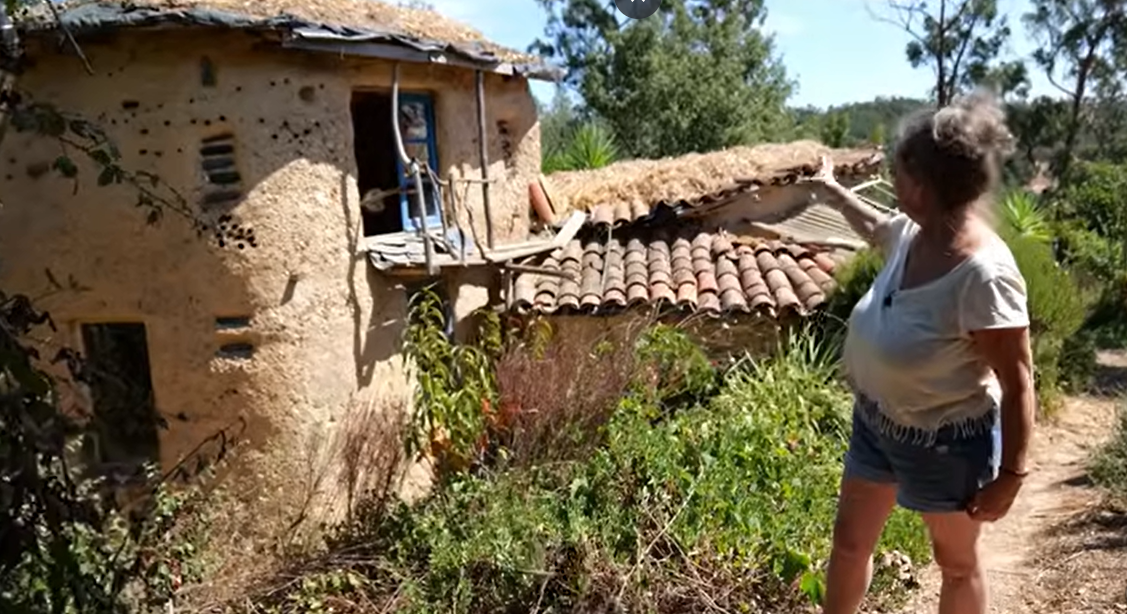
A British grandmother moved to Portugal and bought a plot of land in a rural area with a friend. She then built a cob home out of mud and straw for less than $2,300. She learned about cob building from watching YouTube and reading a book on the subject, “The Hand-Sculpted House.”
In her previous life, she lived in London and Bristol for almost twenty years in conventional houses. Moving to Portugal to be in a rural area with open space and plenty of undeveloped land came naturally to her because she grew up in Scotland in similar conditions. In Portugal, she spent most of her money on the land and a new sewer system. She is a creative person, so she made her own house out of dirt, water, and straw mostly, with some wood supports and glass for windows.
Because she spent most of her money on the land, she lives on a modest monthly income and grows some of her own food. Her water comes from a public system with a monthly bill of only about $18.
She built two small cob houses and connected them; the first cost about $1,000. When she built the first one, which is round, she was 58. This is a key point because she did it at an older age and by herself. “Even old grannies can do it,” she said.
Some older people don’t believe they can do such work and would not choose to build such a cheap home. The cost of conventional homes in many countries has reached a level where many people cannot purchase and own a home so they are forced to pay rents their whole lives. They must work to get money to maintain a cost of living that may not allow them to save and invest so they do not prosper. This woman found a very low cost form of housing that also allows her to grow some of her own food thus keeping food costs low as well. As a result, she lives modestly but has more free time because she doesn’t have to work 40 hours a week or more.
The finished home’s exterior may not be impressive, the interior is pleasant and cozy-looking. All the home’s materials are natural except for some plastic. She has been living in Portugal for quite some time and appears to be well-adjusted and healthy. Some older people are not physically active so their health may begin to decline, both physically and mentally.
Living in the country away from traffic and air pollution might be a factor supporting her mental health because of the lower stress and quiet. Living in a home that only has a little plastic may also be beneficial.
I knew someone a little younger than the lady living in her cob home in Portugal who lived in a conventional home in the US. She had about every household chemical a person could have: insecticides, glue traps, air fresheners, floor cleaners, countertop cleaners, bathroom cleaners, wax, bleach, laundry detergents, fabric softeners, and so on. The American lady got cancer and did not make the connection between all the chemicals she exposed herself to in her own home and the disease. Because she had cancer, she decided to improve her diet — but kept exposing herself to household chemicals! One would guess the older lady living in an almost chemical-free home in Portugal would have the lower cancer risk.
Another point is that in consumer societies, many adults work to have money to buy stuff, including homes, believing they will be happy. Quite a few of them are actually unhappy but don’t know why. Some of them might also be in debt to have the stuff, but wind up trapping themselves in overconsumption trying to be happy and not realizing happiness does not result from working hard to buy material possessions. There are plenty of adults with money, some of whom are rich who are not happy, and some are miserable.
Support CleanTechnica via Kickstarter

Sign up for CleanTechnica’s Weekly Substack for Zach and Scott’s in-depth analyses and high level summaries, sign up for our daily newsletter, and follow us on Google News!
Have a tip for CleanTechnica? Want to advertise? Want to suggest a guest for our CleanTech Talk podcast? Contact us here.
Sign up for our daily newsletter for 15 new cleantech stories a day. Or sign up for our weekly one on top stories of the week if daily is too frequent.
CleanTechnica uses affiliate links. See our policy here.
CleanTechnica’s Comment Policy