

Support CleanTechnica’s work through a Substack subscription or on Stripe.
Earlier this month US Secretary of the Interior Doug Burgum testified with very little background knowledge about solar systems — yet that didn’t stop him from denigrating them. “All of these projects you’re describing in Nevada have one thing in common,” Burgum sneered. “When the sun goes down, they produce zero electricity.”
With that remark, Burgum failed to acknowledge solar’s important companion: battery storage. Giggles and guffaws rumbled through the Natural Resources Committee hearing.
Representative Jared Huffman (D- CA) replied to Burgum with a primer on battery storage solutions. To illustrate his case, Huffman submitted a physical battery into the record. “Mr. Chairman, I request unanimous consent to enter in the record this amazing new technology that apparently the secretary is unaware of: It’s a battery,” Huffman explained, tongue-in-cheek. “China’s figured it out. That’s why they’re cleaning our clock on clean energy. But I want to enter that into the record.”
The show-and-tell did much more than make a clown out of Burgum: it emphasized how far apart public perception is from solar’s actual everyday practicality. The exchange would have been fun if the need for solar were not so imperative for US energy independence. It was one in a series of policy divides that have emerged as the US attempts to reconcile its vast energy needs with the Trump administration’s insistence that Fossil Fuels Are All.
You remember Burgum, right? This is the same Secretary of the Interior who cut the National Park Services. He led the God Squad to weaken the Endangered Species Act. He’s the guy that Representative Susie Lee of Nevada grilled about how his policies have “created a total permitting mess” in her sunny home state.
He doesn’t care. The former North Dakota Governor has been connected to the oil and gas industry for a very long time. Like his boss, he sneers at clean energy and has never contradicted Trump’s statements that dismiss renewables.
“We don’t want wind, and we don’t want solar because they’re a blight on our country,” Trump has said. “They hurt our country very badly, and smart countries don’t use it.”
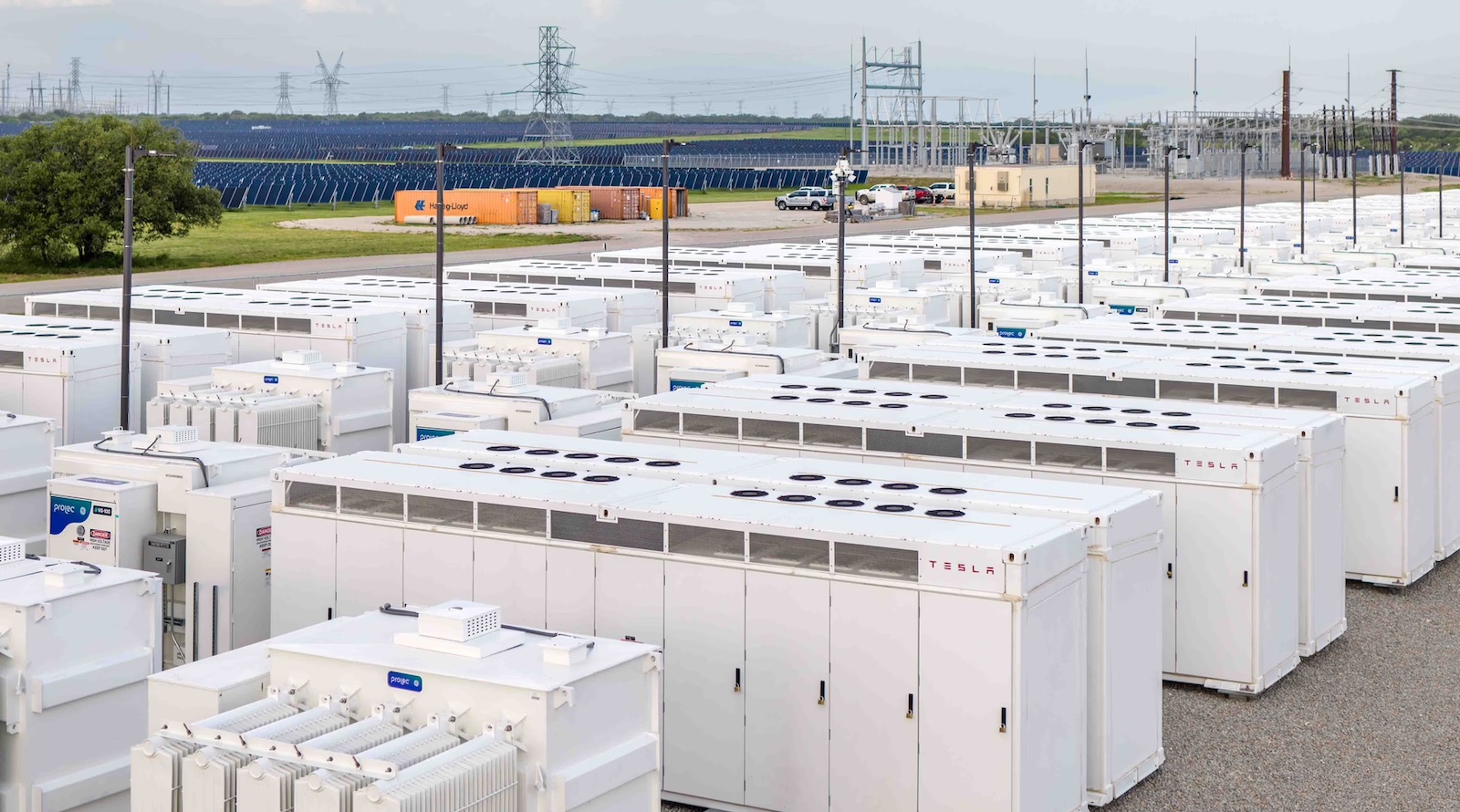
Burgum and other key players in the Administration seem to have missed out on the fact that battery storage is now a core element of contemporary grids across the world. Battery storage technology is not novel or new to the energy scene. Together, solar and storage are a special kind of battery.
Burgum’s testimony was intended to direct the Natural Resources Committee inquiry away from solar cost — which is dropping every year — to reliability. That pathway would have made it easier for him to defend the Administration’s arguments for fossil fuel pursuits. Both relished the signing of the One Big Beautiful Bill Act on July 4, 2025 that effectively resets the energy policy playing field to a time of fossil fuels dominance.
By failing to discuss battery storage, Burgum was able to block out price differentiation between renewable and legacy fuels. He didn’t want to discuss how grids are now widely deploying solar-plus-battery systems. He had hoped beyond any formidable expectation to avoid the mention of climate change, low western snowpack in 2026, and the likelihood of wildfires.
Did he even know that battery storage is essential during peak energy events like summer blackouts?
Reliability isn’t an Issue When Solar is Accompanied by Battery Storage
One of the biggest myths about solar is that it isn’t reliable because the sun only shines during the daytime. Most people are blissfully unaware that, while the sun is shining, a lot of the electricity that is generated is stored in batteries. It’s called time shifting — solar installations can generate electricity at 1 pm, for example, and use it at 8 pm after the sun sets.
Battery storage is a typical method to store excess solar power generated during the day for nighttime use. Portable and grid-scale storage, as reported in energy technology coverage, is already a mainstay in resilience planning. There are even neighborhood or community batteries that can be used to provide benefits to people living in a small area who don’t have their own home batteries.
When extreme weather threatens US residents, solar and battery storage can offer peace of mind. The combination has been able to maintain energy access during heat waves, devastating storms, and frigid winter conditions. At the same time that power lines fall or gas plants freeze, distributed solar and energy storage is strong and stable, offering reliability and safety in the most difficult situations.
Plus, there are so many new, giant batteries that are being integrated into the grid! By 2030, end-of-life batteries could supply more than 50% of the entire energy storage market.
Batteries are already replacing fossil fuels in vehicles and power stations. Now they are beginning to pull duty in the sticky world of hard-to-decarbonize commercial and industrial applications. “As much as various high ranking officials in the Trump administration would like to pretend that energy storage is not a thing existing in time and space,” CleanTechnica writer Tina Casey explains, “it does.”
Jake Richardson, another of our CleanTechnica writers, sums up the benefit of solar and battery storage.
“What makes these solar power and energy storage projects possible now is how much the costs of both solar panels and batteries have decreased in the last ten or eleven years. Again, they cost less and can be installed much faster than new fossil fuel power plants, and, of course, they don’t generate toxic air pollution that harms the planet and human health.”
Media messaging about the Burgum faux pas signified how far apart partisan politics and commonly held renewable energy practices are today. Yet they don’t have to be disparate. The traditional model for how electricity is created and distributed was created in the 19th century. That model is rapidly becoming obsolete. As CleanTechnica’s Steve Hanley exclaims, “There’s a bright new day coming, and we can’t wait for it to arrive!”
As you can tell, we are very interested in solar energy here at CleanTechnica. In fact, over the last year we asked readers to answer a series of survey questions; their responses became the foundation for a newly released report, which is now available for purchase. Click through and learn more about solar and consumer perceptions about living with this renewable energy source.
Resources
“ICYMI: Congresswoman Lee grills Trump Interior Secretary on attempt to kill Solar in Nevada.” Congresswoman Susie Lee. May 18, 2026.
Sign up for CleanTechnica’s Weekly Substack for Zach and Scott’s in-depth analyses and high level summaries, sign up for our daily newsletter, and follow us on Google News!
Have a tip for CleanTechnica? Want to advertise? Want to suggest a guest for our CleanTech Talk podcast? Contact us here.
Sign up for our daily newsletter for 15 new cleantech stories a day. Or sign up for our weekly one on top stories of the week if daily is too frequent.
CleanTechnica uses affiliate links. See our policy here.
CleanTechnica’s Comment Policy