
Trump Announces No Tariffs on Gold Imports: A Market Reprieve Amid Trade Tensions

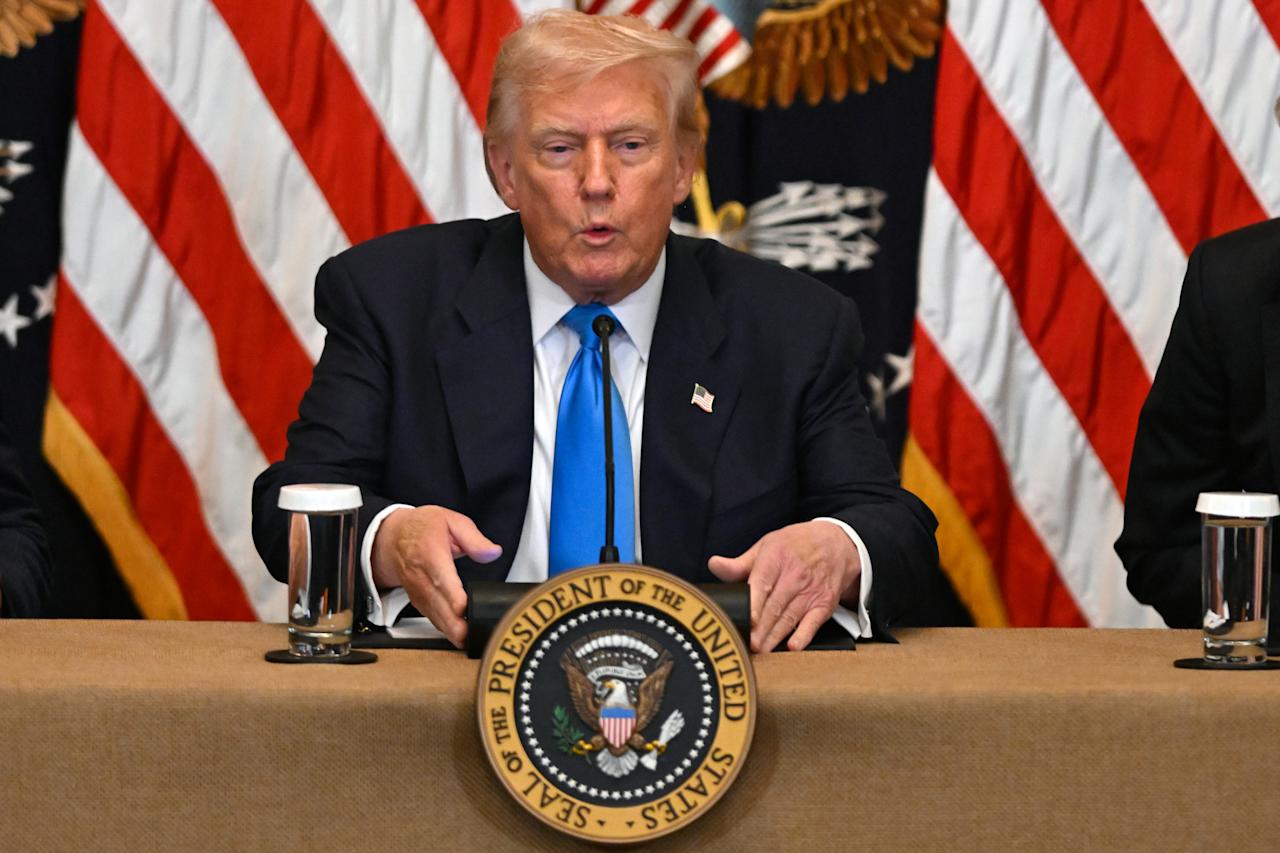
U.S. President Donald Trump announced via social media that imports of gold would not be subject to tariffs, providing a significant reprieve for the global bullion market amid ongoing trade uncertainties. This statement came in response to market turmoil triggered by a U.S. Customs and Border Protection (CBP) ruling that had sparked speculation about potential duties on gold, leading to volatility in gold prices and investor concerns. Trump’s brief post—”Gold will not be Tariffed!”—offered no further details but was welcomed by markets, with gold futures closing lower but stabilizing after the clarification.
The announcement aligns with Trump’s broader trade agenda, which includes extending the China tariff deadline by 90 days, as he seeks to balance aggressive protectionism with economic stability. This article explores the background of the gold tariff rumors, Trump’s statement, market reactions, implications for global trade, and a critical perspective on the policy as of August 12, 2025.
Background: Market Turmoil from Customs Ruling
The confusion began with a surprise U.S. Customs and Border Protection ruling that appeared to classify certain gold imports under categories subject to tariffs, potentially as part of broader trade measures against China and other nations. This ruling, interpreted by some as extending duties to precious metals, caused immediate market chaos, with gold futures experiencing sharp fluctuations. Investors feared that tariffs on gold—a safe-haven asset—could disrupt supply chains, increase costs for jewelers and manufacturers, and exacerbate inflation in an already uncertain economic environment.
Prior to Trump’s clarification, reports of potential tariffs had led to a sell-off in gold stocks and heightened speculation. The White House dismissed initial reports as “misinformation,” but the lack of immediate clarity fueled volatility, underscoring the sensitivity of commodity markets to U.S. trade policies.
Trump’s Statement: A Direct Social Media Intervention
President Trump addressed the issue directly on his Truth Social platform on August 11, 2025, stating unequivocally that gold imports would not face tariffs. The post, which garnered widespread attention on X (formerly Twitter), was echoed by users emphasizing the relief for investors. Concurrently, Trump signed an executive order extending the deadline for China tariffs by 90 days, signaling a temporary de-escalation in U.S.-China trade tensions.
This intervention is characteristic of Trump’s communication style, using social media to bypass traditional channels and directly influence markets. The announcement provided immediate calm, but the absence of detailed policy explanations left analysts seeking more information on how this exemption fits into Trump’s overall tariff strategy.
Market Reaction: Relief and Stabilization
The markets responded positively to Trump’s announcement, with gold futures dropping 2.48% to close at $3,404.70 per ounce, reflecting a sigh of relief rather than a bearish outlook. Bullion markets globally welcomed the move, as it averted potential disruptions in gold supply chains, particularly for imports from major producers like China and Australia.
On X, users shared the news rapidly, highlighting its implications for precious metals trading. The extension of the China tariff deadline further bolstered sentiment, as it delayed potential escalations that could affect broader commodity markets. Investors in gold-related stocks and ETFs saw stabilization, with some analysts projecting renewed confidence in gold as a hedge against inflation.
Implications for Global Trade and the Economy
Trump’s decision to exempt gold from tariffs has several key implications:
-
Support for the Jewelry and Manufacturing Sectors: By keeping gold imports tariff-free, the policy ensures affordability for U.S. jewelers and electronics manufacturers, who rely on gold for components. This could prevent price hikes that might fuel inflation.
-
Impact on U.S.-China Relations: The tariff extension and gold exemption signal a pragmatic approach amid ongoing negotiations, potentially easing tensions while maintaining leverage in trade talks.
-
Boost to Investor Confidence: The clarification reduces uncertainty in precious metals markets, encouraging investment in gold as a safe-haven asset during economic volatility.
-
Broader Trade Policy Signals: This move fits into Trump’s selective tariff strategy, targeting specific sectors while exempting others to minimize domestic economic fallout.
Critical Perspective: Pragmatism or Political Maneuvering?
While the announcement provides short-term relief, critics argue it highlights inconsistencies in Trump’s trade policies. The initial market confusion stemmed from a lack of clear communication, raising questions about the administration’s handling of trade rulings. Some analysts view the gold exemption as a concession to powerful lobbying from the mining and jewelry industries, rather than a coherent economic strategy.
Moreover, the extension of China tariffs delays but does not resolve underlying trade disputes, potentially prolonging uncertainty for global supply chains. In a politically charged environment, this could be seen as a tactical move to bolster market confidence ahead of key economic data releases, such as inflation figures. The reliance on social media for policy announcements also draws criticism for bypassing formal channels, which might lead to misinterpretations.
A Welcome Clarification with Lingering Questions
President Trump’s August 11, 2025, announcement exempting gold imports from tariffs offers a much-needed reprieve for the bullion market, stabilizing prices and restoring investor confidence amid trade uncertainties. Coupled with the China tariff extension, it reflects a balanced approach to protectionism. However, the lack of detailed policy rationale leaves room for speculation about future trade measures. As markets await inflation data and further clarifications, this decision underscores the profound impact of U.S. policies on global commodities, with gold poised to remain a key barometer of economic health.