
Trump Moves to Streamline Permitting for Deep-Sea Miners, Easing Path for Critical Mineral Extraction

The Trump administration has unveiled a new regulatory approach that significantly reduces the time and complexity of permitting for deep-sea mining operations, a move designed to bolster U.S. access to critical minerals essential for electric vehicles, renewable energy and high-tech manufacturing.
Under final rules issued by the National Oceanic and Atmospheric Administration (NOAA), the previously separate stages of obtaining an exploration license and a commercial recovery permit will now be consolidated into a single, streamlined review process, effectively cutting the permitting timeline in half and lowering regulatory hurdles for companies pursuing seabed mineral extraction.
The revised process is rooted in the Deep Seabed Hard Mineral Resources Act—a U.S. statute governing offshore mineral rights—and follows an executive directive from President Donald Trump aiming to modernize the regulatory framework while enabling domestic firms to tap vast deposits of seabed polymetallic nodules rich in nickel, cobalt, copper and manganese.
Industry response has been swift. Shares of The Metals Company (TMC), a key player in the deep-sea mining sector, rose sharply after the announcement, reflecting investor optimism that regulatory clarity could accelerate project timelines.
Proponents of the overhaul argue that streamlined permitting will strengthen the U.S. competitive position against rivals such as China, which has already moved to assert influence over critical mineral supply chains. The U.S. government has framed the changes as part of a broader strategy to secure resources vital for clean energy technologies and national economic resilience.
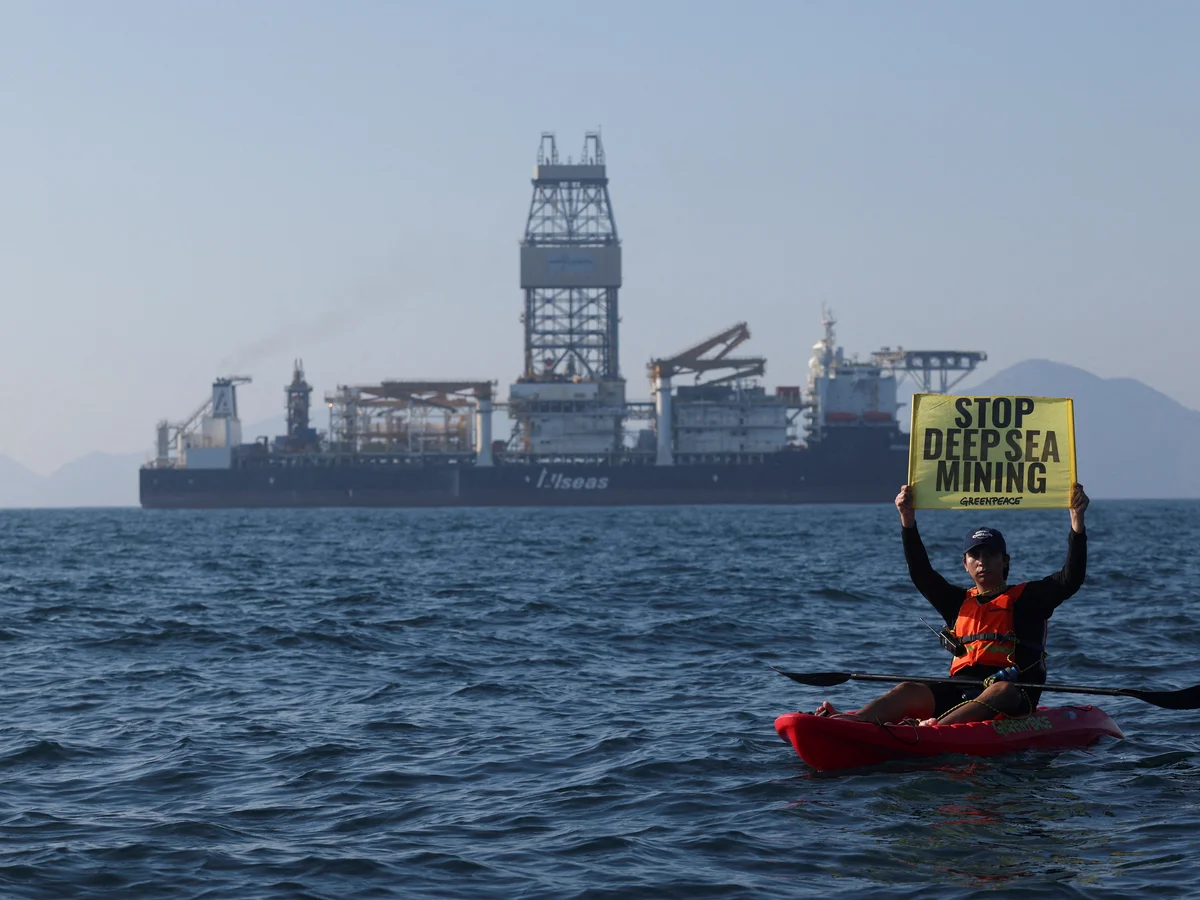
However, environmental advocates and some legal experts have raised concerns that faster permitting could come at the expense of robust ecological review, particularly given the fragile and poorly understood nature of deep-sea ecosystems. Critics also point out potential conflicts with international norms, as the United States has not ratified the United Nations Convention on the Law of the Sea, the treaty that underpins global seabed mining governance.
As U.S. agencies begin implementing the streamlined process, stakeholders across government, industry and environmental sectors are likely to intensify debates on balancing resource development with environmental protection in one of the planet’s final frontiers.