

Introduction
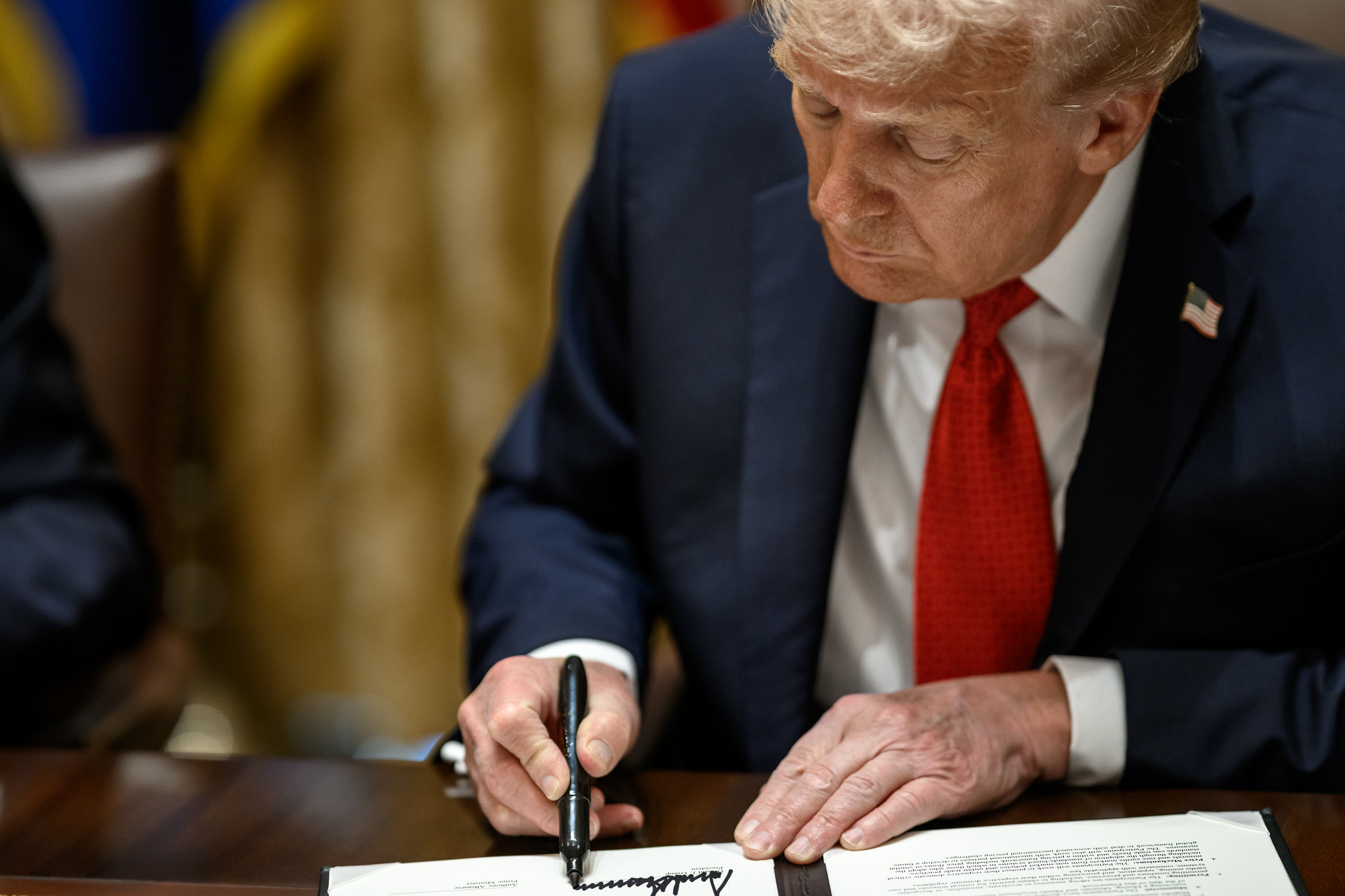
Donald Trump, on a diplomatic and trade push at the Association of Southeast Asian Nations (ASEAN) summit in Kuala Lumpur, has signed multiple trade and critical-minerals agreements with four Southeast Asian nations—namely Malaysia, Thailand, Cambodia and Vietnam. The Irish Times+3Reuters+3Business Standard+3
These deals come against the backdrop of increasing export restrictions by China on rare earths and other critical minerals, and reflect Washington’s strategic effort to diversify supply chains. The Tribune+1
Key Elements of the Agreements
-
Malaysia has pledged not to ban or impose quotas on exports of critical minerals or rare earth elements to the U.S., a major commitment given its own estimated reserves of around 16 million tonnes.
-
Thailand agreed to eliminate tariffs on ~99 % of U.S. goods, relax telecom investment rules, and commit to large purchases of U.S. products including aircraft and energy goods.
-
The trade deals also include commitments to reduce non-tariff barriers, enhance digital trade, protect labour rights, and strengthen environmental safeguards.
-
Importantly, these agreements aim to address the U.S. trade imbalances with these countries and create resilience in supply chains for high-tech, defense, and clean-energy sectors.
Strategic Significance
-
By securing access to Southeast Asia’s critical minerals, the U.S. seeks to reduce vulnerability to China’s dominance in rare-earth mining and processing.
-
For Southeast Asian nations, these deals open greater market access, U.S. investment and leverage to develop their mineral-processing capacities.
-
The timing is pivotal: China’s tightening of export controls has spurred global urgency to find alternative sources.
Challenges & Open Questions
-
While Malaysia pledged not to ban exports, it remains unspecified whether the commitments apply to raw materials, processed minerals, or both.
-
Implementation will require significant infrastructure investment, regulatory reform and the building of processing/refining capabilities—something many of these countries are just beginning.
-
For the U.S., ensuring that the supply chain diversification translates into actual industrial resilience will take time and oversight.
Conclusion
The trade & critical-minerals deals forged by Trump in Southeast Asia signal a major shift in global economic strategy.—one where access to raw and processed materials for tech, defence and clean energy becomes as geopolitically important as conventional trade flows.
While the agreements lay foundation stones, the path ahead remains long: conversion from promise to production, from pledge to processing, from paper to pipeline.