

Support CleanTechnica’s work through a Substack subscription or on Stripe.
When the $7,500 federal tax credit for EVs expired prematurely last September, auto industry observers correctly anticipated a plunging swoop in domestic EV sales. However, that was before US President Donald Trump launched his war against Iran, providing drivers with a fresh spark of motivation to buy an electric car and skip the pain at the pump. Too bad domestic automakers and battery manufacturers have already dialed down their electrification plans…. Oh, wait….
Tax Incentives Work, Except When They Don’t Last
Earlier this week, CleanTechnica reporter José Pontes ran the global EV sales figures for January 2026, compared them with January 2025, and found something interesting. While noting that total plug-in vehicle sales were down 6% year over year in January, almost all of the damage was confined to the US, where the federal tax incentive evaporated, and China, which also partly rolled back its EV tax incentives.
“The end of US incentives last October, added to the partial removal of incentives in China at the end of 2025, made an expected impact, as these are the 3rd and 1st largest EV markets, respectively,” Pontes explained. “Actually, if we remove China and the USA from the tally, EVs have jumped 36% YoY globally, with BEVs growing slightly faster (+37%) than PHEVs (+34%).”
It remains to be seen if the ongoing spike in gas prices has an impact on EV sales here in the US. The last time a US president decided to fight a war of choice in the Middle East was the Iraq War of 2003–2011, and electric vehicles were not an option back then. Today they are, and gas prices have nowhere to go but up. In addition to routine seasonal pressure as spring travel approaches, a growing number of oil producers and refiners in the Middle East have already been forced to turn off their taps. The Strait of Hormuz, a key petroleum shipping route, is all but closed to traffic, further disrupting supply chains.
The auto organization AAA has been dutifully tracking the steady uptick in retail gasoline prices since Trump decided to go to war on February 28. The average currently stands at $3.320 for a gallon of regular, up from just $2.982 last week.
The Great EV Battery Bust
No word yet on whether or not Congress plans to restore the EV tax credit, but in some ways that ship has sailed. Ford and GM have already reset their manufacturing plans to accommodate a pullback in EV sales, and standalone battery makers have been dropping out of the mobility market, too.
Automotive stakeholders can’t re-reset their plans overnight. A team of researchers at the Federal Reserve Bank of Dallas totaled up the damage earlier this week, providing a handy summary of the destruction catalogued on the pages of CleanTechnica (here’s one example).
“More than 20 gigafactories were announced in the U.S. from 2021 through 2022, representing more than $50 billion in potential investment and thousands of new jobs. More announcements followed in 2023 and 2024,” the Federal Reserve team noted.
That was before the US electorate decided to send President Trump back into office in the November 2024 election cycle, gifting him with a Republican majority in both houses of Congress as well. The stage was set for disaster last summer, when Trump and his newly empowered allies in Congress passed a tax bill that set an expiration date of September 30 for the EV tax credit.
As the Fed team points out, plans for all those gigafactories were formulated during a time when the tax credit was expected to be in effect until 2032, providing automakers with more time to keep pushing the cost of EVs down to parity with conventional cars.
Instead, the researchers paint a gloomy picture. “Current sales of EVs are insufficient to justify the investments made in gigafactories, and the outlook does not suggest significant improvement anytime soon,” they conclude.
It’s Not Just About The EVs
On the brighter side, the Fed team takes note of the surge in battery manufacturing for stationary energy storage. While not the same as EV batteries, of course, the stationary energy storage market is enabling EV stakeholders to keep a hand in the electrification movement. Ford, for example, announced new plans for manufacturing BESS (battery energy storage systems) even as it reduced its EV plan to a mere shell of its former self.
“While EV sales have failed to meet expectations, the use of lithium-ion batteries in battery energy storage systems has grown rapidly, with demand expected to remain strong in 2026,” the Fed team notes.
“The systems can play a critical role in integrating intermittent renewables (solar and wind) into the grid, smoothing fluctuations in wholesale electricity prices and aiding short-term grid stability,” they emphasize.
Apparently skipping the part in federal energy policy where solar and wind are supposed to be no-go zones, the team continues:
“The number of battery installations for power storage systems has risen rapidly for at least two reasons. First, prices of lithium-ion batteries have declined dramatically in recent years, improving their economics. Second, a significant amount of utility-scale solar has been installed as well.”
Shocker, I know. You wouldn’t guess it from the drivel about coal emanating from the White House, but solar has firmly cemented itself as the dominant driver of new power generation capacity in the US, by a wide margin. With wind holding down the #2 slot, the demand for energy storage is baked into the increase in the nation’s electricity profile.
Next Steps For EV Sales In The US
As for the future, automakers have already set the wheels in motion to shift from the familiar lithium-ion formula to LFP (lithium-iron-phosphate), which avoids the supply chain complexities posed by cobalt and other Li-ion battery inputs while also opening up new opportunities to cut the cost of EV batteries. Last summer, both Ford and GM announced plans to roll over into LFP batteries. Despite the recent shrinkage in EV manufacturing plans, Ford has also affirmed that it will bring an affordable electric pickup truck to market, and GM continues to insist that electric vehicles are its “North Star.”
That’s not much comfort to budget-conscious drivers on the prowl for a new EV here and now. However, new cars aren’t the only game in town. Bargain hunters have already been snapping up used EVs. Auto industry stakeholders expect the activity to continue as a new wave of off-lease EVs hits used car lots, just in time for the next spike in gas prices at the pump.
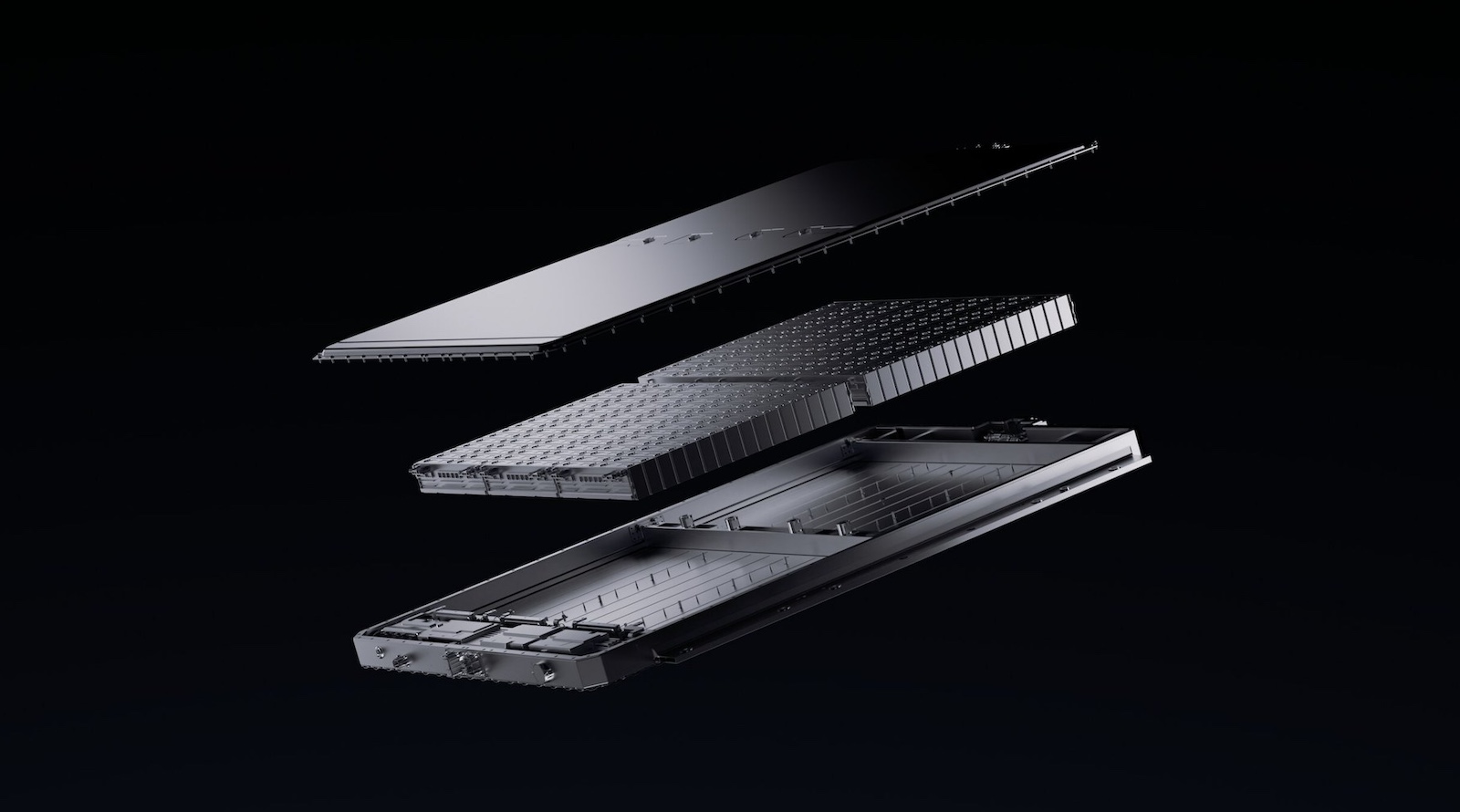
Photo: EV sales tanked in the US after the federal tax credit evaporated last September, but stationary energy storage and renewable energy are keeping the zero emission electrification trend alive (cropped, courtesy of Dallas Fed).
Sign up for CleanTechnica’s Weekly Substack for Zach and Scott’s in-depth analyses and high level summaries, sign up for our daily newsletter, and follow us on Google News!
Have a tip for CleanTechnica? Want to advertise? Want to suggest a guest for our CleanTech Talk podcast? Contact us here.
Sign up for our daily newsletter for 15 new cleantech stories a day. Or sign up for our weekly one on top stories of the week if daily is too frequent.
CleanTechnica uses affiliate links. See our policy here.
CleanTechnica’s Comment Policy