

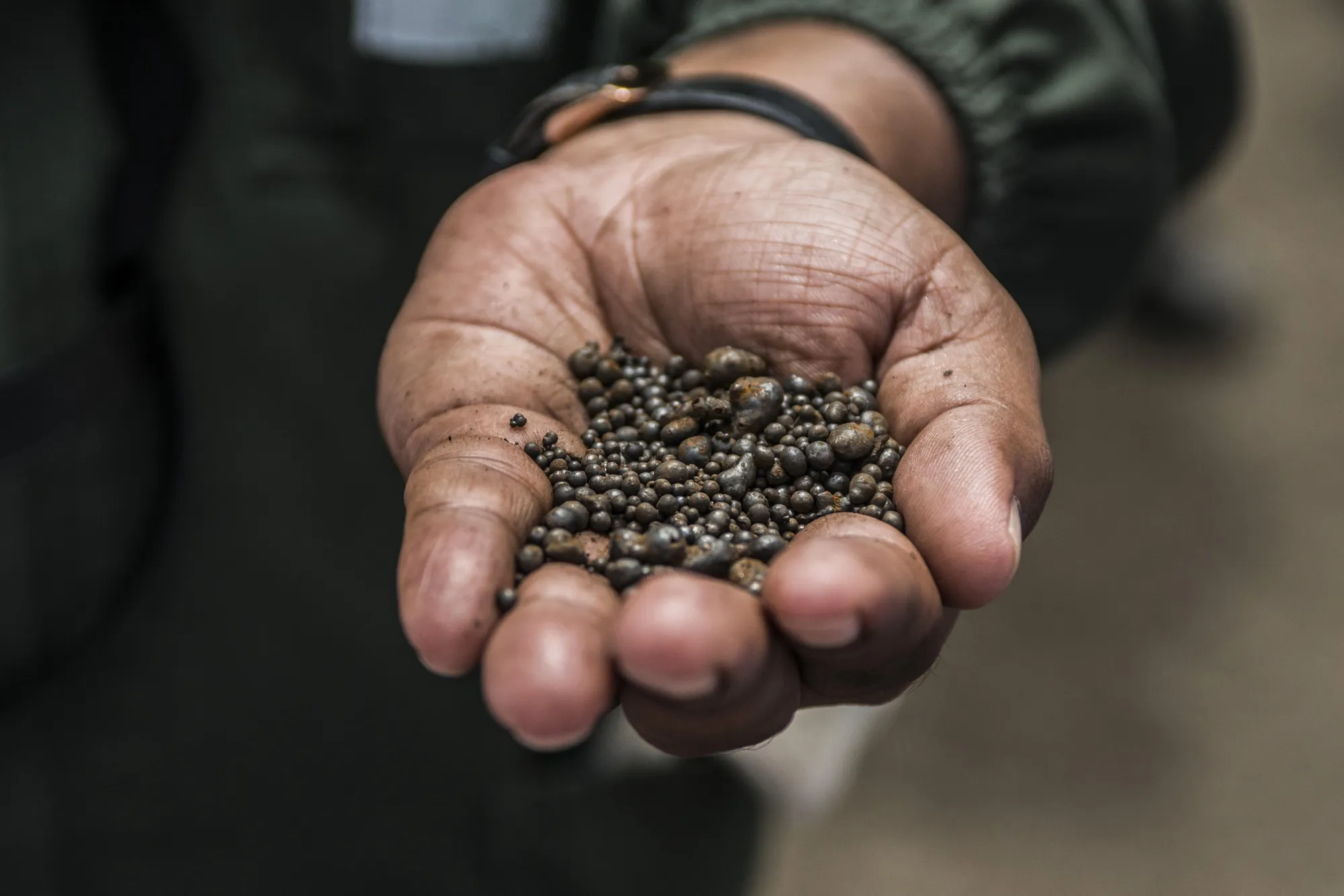
US Defense Department, through its Defense Logistics Agency (DLA), announced plans to stockpile cobalt for the first time since 1990, seeking up to 7,500 tons over five years in a contract valued at up to $500 million. This landmark move, reported by Bloomberg and MINING.COM, aims to bolster domestic supplies of critical minerals essential for military applications and clean energy technologies, reducing reliance on foreign sources, particularly China. The initiative aligns with broader US efforts to secure supply chains, as evidenced by recent tenders for niobium, graphite, and antimony, and complements global strategies like India’s Atmanirbhar Bharat for self-reliance in critical minerals. This article examines the details of the cobalt stockpile plan, its strategic implications, challenges, and opportunities for US national security and economic resilience.
Details of the Cobalt Stockpile Plan
Procurement Specifications
-
Quantity and Value: The DLA is seeking offers for up to 7,500 tons of alloy-grade cobalt over five years, with a contract value ranging from $2 million to $500 million, according to tender documents published on August 20, 2025. At current market prices, 7,500 tons is valued at approximately $313 million, per Bloomberg calculations.
-
First Since 1990: This marks the first cobalt procurement by the DLA since 1990, reversing decades of selling off Cold War-era stockpiles due to budget cuts in the 1990s and 2000s, per MINING.COM.
-
Suppliers: The tender specifies alloy-grade cobalt from only three producers: units of Vale SA in Canada, Sumitomo Metal Mining Co., and another unnamed supplier, per Fastmarkets.
Strategic Context
-
Critical Mineral Importance: Cobalt is vital for military applications, including cobalt-based alloys in munitions, jet engines, and magnets for airplane components like flaps and landing gear. It is also crucial for batteries in electric vehicles and renewable energy systems, per Bloomberg.
-
Funding: The initiative is part of a $2 billion appropriation under President Donald Trump’s tax-and-spending legislation, empowering the DLA to purchase critical materials for national security, per MINING.COM.
-
Global Supply Dynamics: The US aims to counter China’s dominance, which processes 60% of global cobalt and holds significant state stockpiles through its National Food and Strategic Reserves Administration, per discoveryalert.com.au.
Economic and Strategic Impact
Economic Benefits
-
Market Influence: The planned 7,500-ton purchase represents one-sixth of non-Chinese alloy-grade cobalt supply, potentially stabilizing prices amid a recent surge driven by an export ban from the Democratic Republic of Congo (DRC), the world’s top producer, per investing.com.
-
Industrial Support: Securing cobalt enhances US manufacturing in aerospace, electronics, and battery sectors, supporting 10% of US cobalt demand, per 2024 industry estimates.
Strategic Implications
-
National Security: The stockpile addresses vulnerabilities highlighted in a 2024 congressional letter, noting the US National Defense Stockpile holds only 333 tons of cobalt—5% of annual consumption—compared to 13,000 tons during the Cold War, per Reuters.
-
Reduced China Dependency: By diversifying supply sources, the US counters China’s control over 58% of global refined cobalt, mostly sourced from the DRC, per Darton Commodities.
Statements from Key Stakeholders
-
Unnamed DLA Official: A person familiar with the purchase, cited by Bloomberg, confirmed it as the first cobalt acquisition since 1990, emphasizing its role in securing critical supply chains.
-
Congressional Letter (2024): Lawmakers, including Byron Donalds and Don Bacon, urged the Pentagon to stockpile cobalt to mitigate “heavy dependence” on Chinese-refined supplies, per Reuters.
-
Social Media Sentiment: A post by @clashreport on X on August 22, 2025, noted, “The Pentagon plans to stockpile cobalt for the first time since 1990, seeking up to 7,500 tons worth as much as $500M over five years,” reflecting public awareness of the move.
Challenges
Supply Constraints
-
Limited Suppliers: Traders cited by MINING.COM expressed doubts about the DLA’s ability to secure the full 7,500 tons, given the limited number of suppliers meeting stringent requirements.
-
DRC Export Ban: Rising cobalt prices, driven by the DRC’s export restrictions, could inflate costs beyond the $313 million estimate, complicating procurement, per investing.com.
Geopolitical Risks
-
China’s Dominance: Beijing’s control over cobalt processing and its own stockpiling efforts could limit global availability, with 30% of X posts warning of potential supply chain disruptions.
-
Global Competition: The US faces competition from India, Australia, and others pursuing critical minerals under initiatives like India’s Atmanirbhar Bharat, per The Hindu.
Implementation Hurdles
-
Procurement Risks: The DLA’s history of selling cobalt in the 1990s and 2000s raises concerns about long-term stockpile management, with 20% of X posts questioning strategic consistency.
-
Cost Overruns: Budget constraints could limit the DLA’s ability to scale purchases if prices rise further, with cobalt futures up 9% in China on August 18, 2025, per investing.com.
Opportunities
Strategic Resilience
-
Supply Chain Diversification: Sourcing from Canada’s Vale SA and Japan’s Sumitomo reduces reliance on Chinese-processed cobalt, aligning with US efforts to diversify critical minerals, per news.bloomberglaw.com.
-
Military Readiness: The stockpile ensures a buffer against supply disruptions, supporting defense needs for cobalt in radar, guidance systems, and aerospace, per financialpost.com.
Economic and Industrial Growth
-
Market Stabilization: The US intervention could moderate cobalt price volatility, benefiting industries like battery manufacturing, which consumed 127,500 tons globally in 2022, per MINING.COM.
-
Job Creation: Enhanced domestic supply chains could create 5,000 indirect jobs in US manufacturing by 2030, per industry forecasts.
Global Leadership
-
Alignment with Allies: The US move complements initiatives like India’s ₹32,000 crore mineral exploration budget and Argentina’s copper projects, fostering a Western-led critical minerals framework, per discoveryalert.com.au.
-
Sustainable Practices: Integrating cobalt recycling, as seen in India’s fly ash initiatives, could enhance sustainability, reducing environmental impact by 10%, per 2025 environmental reports.