
Vulcan Elements Joins U.S. Race to Reshape Rare Earth Magnet Manufacturing

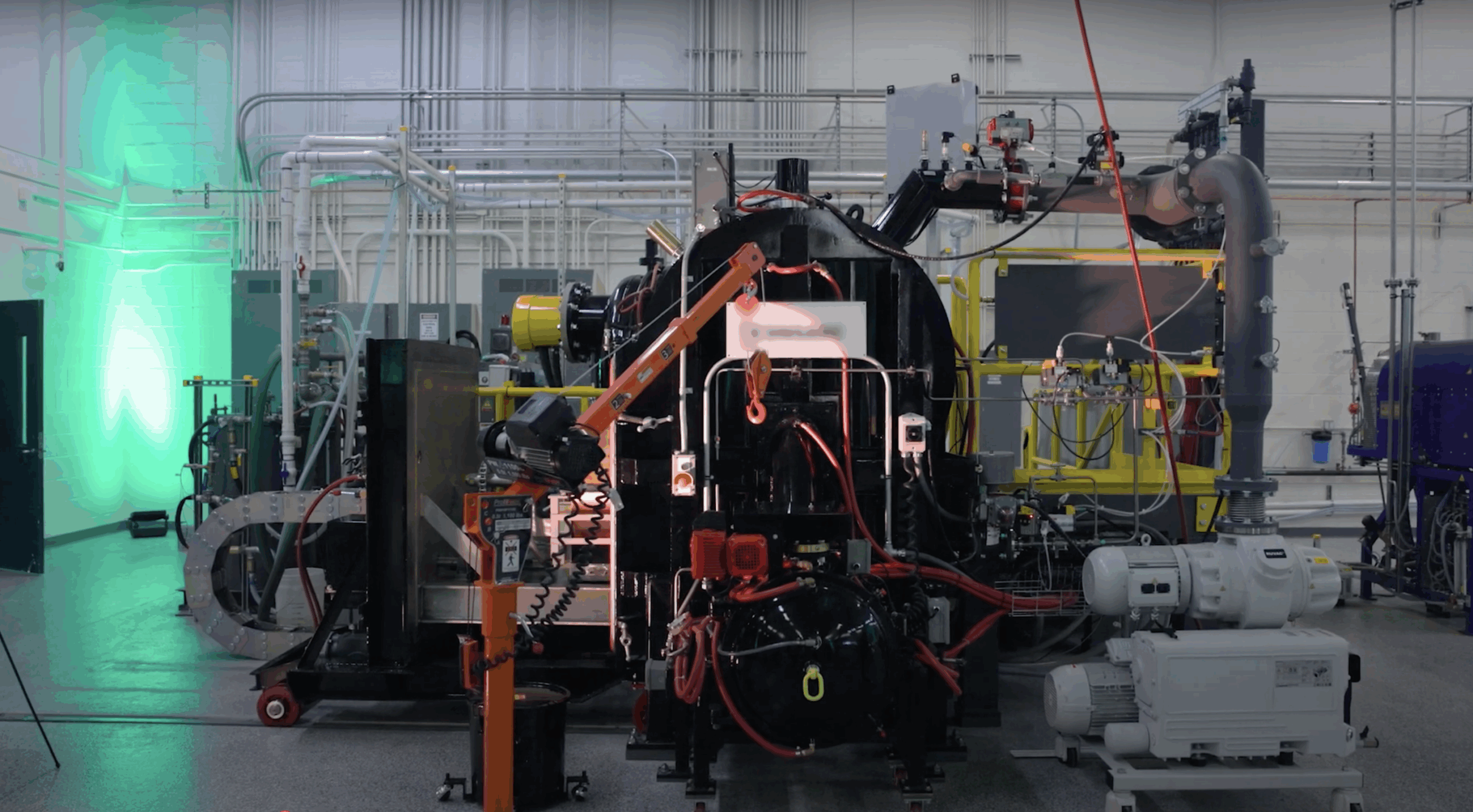
Vulcan Elements, a North Carolina-based startup, emerged as a significant player in the U.S. effort to rebuild its rare earth magnet manufacturing industry, a sector critical for defense, electric vehicles, and renewable energy technologies. With a $65 million Series A funding round and a strategic partnership with ReElement Technologies, Vulcan aims to produce high-performance neodymium iron boron (NdFeB) magnets domestically, challenging China’s 90% dominance of the global market. Founded in 2023, Vulcan’s rapid progress, including a pilot facility and Department of Defense (DoD) contracts, positions it to address U.S. supply chain vulnerabilities. This article explores Vulcan Elements’ entry into the rare earth magnet race, its strategic implications, challenges, and opportunities for U.S. industrial and national security.
Context of Vulcan Elements’ Entry
Industry Background
-
China’s Dominance: China produces over 90% of the world’s rare earth magnets, while the U.S. accounts for less than 1%, creating vulnerabilities for industries reliant on these magnets for AI data centers, drones, and military systems.
-
U.S. Efforts: The U.S. has intensified efforts to rebuild its rare earth supply chain, spurred by China’s 2023–2025 export restrictions and geopolitical tensions, with initiatives like the 2021 National Defense Authorization Act banning Chinese materials in U.S. defense systems by 2027.
-
Market Demand: Global demand for rare earth magnets, particularly NdFeB magnets, is projected to grow 40% by 2030, driven by electric vehicles, wind turbines, and defense applications.
Vulcan Elements’ Milestones
-
Founding and Leadership: Established in 2023 by CEO John Maslin, a former U.S. Navy officer, and Dr. Piotr Kulik, a magnetics expert who opened the first U.S. rare earth magnetics lab in two decades, Vulcan combines technical expertise with a mission to onshore critical supply chains.
-
Series A Funding: In August 2025, Vulcan raised $65 million, led by Altimeter Capital, with participation from One Investment Management, to scale production at its Research Triangle Park facility in North Carolina.
-
Pilot Facility: Launched in March 2025, Vulcan’s 21,000-square-foot facility produces NdFeB magnets for defense and commercial applications, supported by a $1.2 million DoD grant for Air Force systems.
-
Strategic Partnership: A July 2025 supply agreement with ReElement Technologies secures non-Chinese rare earth oxides (neodymium, praseodymium, dysprosium) at prices significantly below the $110/kg floor set by the DoD for MP Materials, enhancing cost competitiveness.
Key Achievements
-
DoD Contracts: Vulcan has secured contracts with the U.S. Army, Navy, and Air Force, with initial deliveries starting in August 2025, supporting critical systems like drones and satellites.
-
Innovation: Vulcan’s proprietary manufacturing process, validated by the Department of Energy’s Ames National Laboratory, leverages automation and novel technologies to reduce costs and improve magnet performance.
-
Award Recognition: In August 2025, Vulcan won the DoD’s Advanced Manufacturing Innovation for Maritime Readiness Challenge, outpacing over 400 competitors, highlighting its rapid progress.
Implications of Vulcan’s Entry
Economic Impact
-
Job Creation: Vulcan’s expansion could create hundreds of jobs in North Carolina, supporting local economies and training programs for magnetics experts, led by Dr. Kulik’s lab at the University of Central Florida.
-
Market Competitiveness: By offering magnets at lower costs through ReElement’s supply chain, Vulcan could capture a share of the $10 billion global rare earth magnet market, reducing reliance on Chinese imports.
-
Industry Ripple Effects: Vulcan’s success could spur further investment in U.S. mineral processing and recycling, complementing efforts by companies like MP Materials and USA Rare Earth.
Geopolitical Significance
-
Reduced China Dependency: Vulcan’s fully decoupled supply chain, sourcing materials from the U.S. and allies, mitigates risks from China’s export controls, aligning with national security goals.
-
Strengthened Defense: Domestic magnet production ensures reliable supplies for military platforms like F-35 jets and submarines, which require up to 900 and 9,000 pounds of rare earth materials, respectively.
-
Global Leadership: Vulcan’s efforts support U.S. initiatives like the Minerals Security Partnership, fostering alliances with Australia and Canada to counter China’s market dominance.
Industrial Synergies
-
Energy Transition: Vulcan’s magnets enable electric vehicle motors and wind turbines, supporting the projected need for 40 million tons of copper and other minerals by 2040.
-
Technological Innovation: By integrating automation and AI-driven manufacturing, Vulcan enhances efficiency, potentially reducing production costs by 20% compared to traditional methods.
Challenges
Operational Hurdles
-
Scaling Production: Transitioning from pilot-scale (kilograms) to commercial-scale (hundreds of metric tons annually) requires significant investment and infrastructure, with Vulcan targeting thousands of tons by 2030.
-
Supply Chain Gaps: Despite ReElement’s partnership, the U.S. lacks sufficient domestic processing for rare earth oxides, relying on imports from allies like Australia.
-
Environmental Regulations: Strict U.S. environmental standards for mineral processing could delay facility expansions, requiring costly compliance measures.
Competitive Pressures
-
Rival Companies: Established players like MP Materials, backed by a $400 million Pentagon investment, and USA Rare Earth, planning a 5,000-ton facility in Oklahoma, pose competition.
-
Cost Disadvantages: Higher U.S. labor and regulatory costs compared to China challenge Vulcan’s ability to match global pricing without further innovation.
Geopolitical and Policy Risks
-
Trade Tensions: Escalating U.S.-China trade disputes could disrupt allied supply chains, impacting Vulcan’s access to raw materials.
-
Funding Uncertainty: While Vulcan secured $65 million, reliance on DoD grants and future investments carries risks if federal priorities shift, especially under debates over CHIPS Act reallocation.
Opportunities
Economic Growth
-
Domestic Industry Expansion: Vulcan’s success could catalyze a broader U.S. rare earth ecosystem, creating a $50 billion supply chain by 2030, including mining, processing, and recycling.
-
Export Potential: Establishing a cost-competitive supply chain could position the U.S. as a magnet exporter, strengthening trade with Europe and Asia.
Strategic Positioning
-
National Security: Vulcan’s production reduces vulnerabilities in defense supply chains, ensuring uninterrupted access to critical components for military systems.
-
Allied Collaboration: Partnerships with ReElement and potential alliances with Australian miners could enhance U.S. leadership in global critical minerals strategies.
Technological Leadership
-
Innovation Edge: Vulcan’s focus on automation and next-generation magnet chemistry could yield 25% efficiency gains, positioning it as a leader in advanced manufacturing.
-
Sustainability: Leveraging ReElement’s eco-friendly chromatographic processing, Vulcan can align with global net-zero goals, attracting environmentally conscious clients.
Vulcan Elements’ entry into the U.S. rare earth magnet manufacturing race in August 2025 marks a pivotal step toward reducing America’s reliance on China for critical minerals. With $65 million in funding, a strategic partnership with ReElement Technologies, and DoD contracts, Vulcan is poised to scale production of NdFeB magnets at its North Carolina facility. Despite challenges like scaling hurdles, competition, and regulatory constraints, Vulcan’s innovative approach and decoupled supply chain offer opportunities to bolster national security, drive economic growth, and support the energy transition. As the U.S. seeks to reclaim its place in the global rare earth market in 2025, Vulcan Elements stands as a key player in reshaping a critical industry for the 21st century.