
Waymo’s Remote Operations Strategy Highlights Why the Philippines is a Critical Hub

Support CleanTechnica’s work through a Substack subscription or on Stripe.
Or support our Kickstarter campaign!
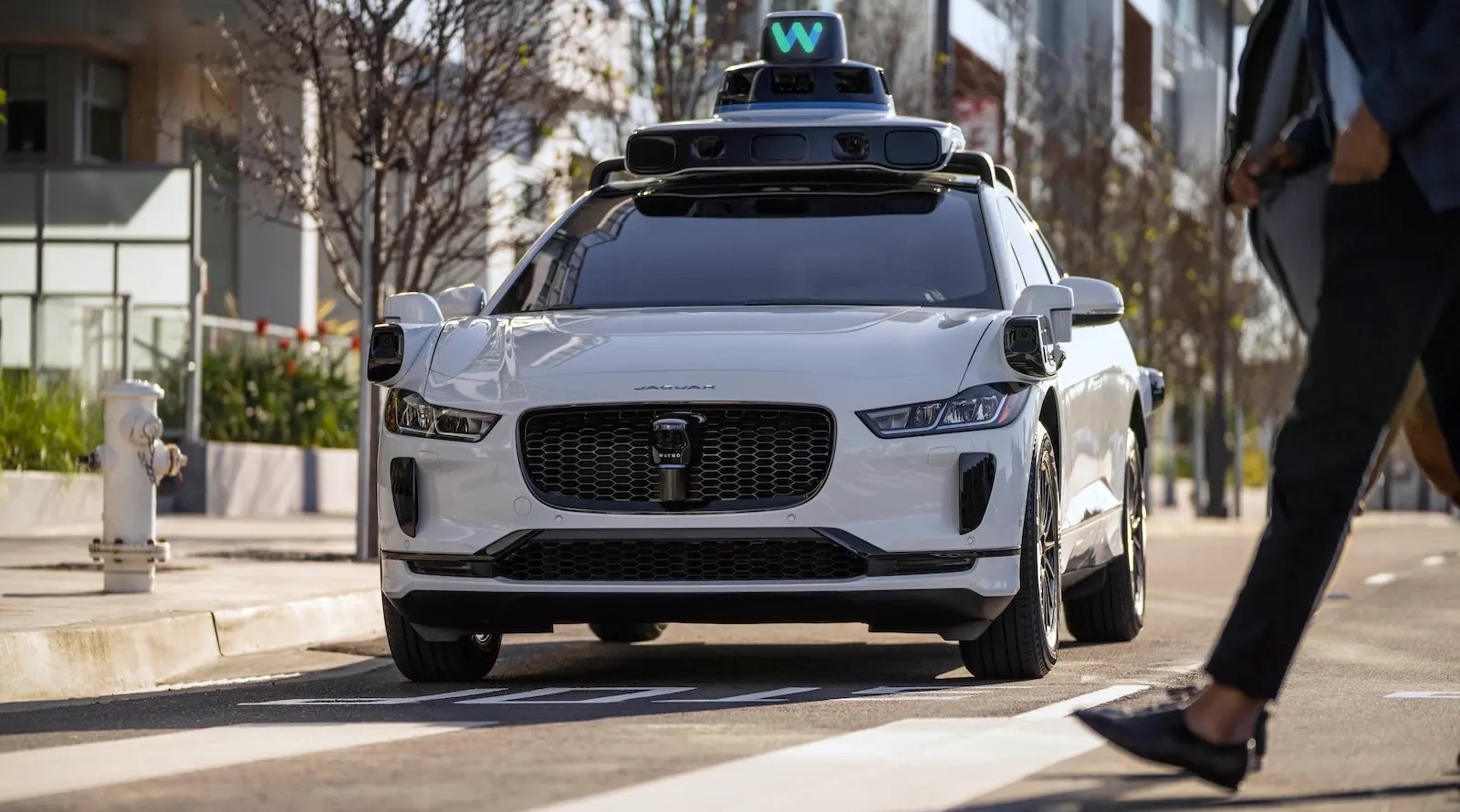
A report by David Shepardson for Reuters on the U.S. Senate Commerce Committee hearing into autonomous vehicle safety placed Waymo’s performance record under intense scrutiny. CleanTechnica reported on the industry developments beyond Washington point and how the Alphabet-owned company chose the Philippines as the location for its remote fleet response agents.
Waymo’s appearance before the Commerce Committee hearing focused on crash investigations and federal oversight. What actually surfaced unintentionally based on reports about the hearing is policy debate on the buildout of a real-time operational backbone. This one topic put Waymo’s safety record under the microscope, but the more consequential story for the company’s long-term scaling is a race for global leadership in autonomous driving.
According to the Reuters report, in his written testimony, Waymo Chief Safety Officer Mauricio Peña said the company’s fully autonomous vehicles have been involved in far fewer serious-injury crashes than human drivers operating under the same conditions and mileage. The statement comes as U.S. regulators continue to examine specific incidents, including a collision involving a child and cases where robotaxis drove past stopped school buses. Waymo also urged Congress to establish a national framework for autonomous vehicles, arguing that regulatory clarity will determine whether the United States retains its lead in the sector.
That public discussion is only one layer of what it takes to run a commercial robotaxi network at scale.
Behind every driverless trip is a continuous remote operations system that monitors vehicles, supports edge cases, and keeps services running across multiple cities and time zones. The choice of having some, not all, fleet responders coming from the Philippines seems to be a decision driven by structural advantages in governance, connectivity, and human capital rather than traditional outsourcing economics.
The icing is data trust
CleanTechnica’s sources in the Philippines have helped locate the contracted service business process outsourcing (BPO) company in the Philippines. In the interest of protecting our sources and the effect of a possible revelation given an ongoing federal hearing, we will keep our sources anonymous.
Same sources told us that they are located in two cities in the Philippines. And the country was chose because of the Philippine Data Privacy Act of 2012, which is a pioneering, comprehensive law and an early adopter of international data protection standards. Since autonomous fleets generate high-value, high-sensitivity data streams that must move across borders without creating conflicts over jurisdiction, ownership, or privacy compliance, this was important. The Philippines’ strengthened data protection regime and its established rules for cross-border data flows provide a legally stable environment for these operations. For mobility companies, that means remote oversight can be conducted in real time while maintaining alignment with U.S. regulatory and corporate data-control requirements.
Strong network architecture
The archipelagic structure that once posed connectivity challenges has, in key business districts, produced the opposite effect: multiple independent international cable landings, diverse terrestrial fiber routes, and carrier-neutral facilities. By splitting operations between sites in Luzon and the Visayas, companies can maintain uninterrupted vehicle support even if one location experiences an outage. This level of redundancy essential for real-time autonomous fleet management and safety-critical functions that run around the clock.
The cake is talent pipeline
According to sources from IT and Business Process Association of the Philippines (IBPAP), with familiarity on remote servicing, vehicle tracking and autonomous driving, the Phillippines’ BPO sector has evolved into a high-skill technical services industry capable of handling complex, process-driven work.
In the case of Waymo’s autonomous mobility contractor, fleet responsders include professionals with backgrounds in automotive systems, telematics, mapping, and advanced driver-assistance technologies, combined with strong English proficiency and experience working within tightly regulated, real-time operating environments. That mix enables human-in-the-loop support for vehicles without diluting safety protocols.
These factors explain why the Philippines is emerging as a strategic operations base while core engineering, product development, and policy engagement remain in the United States.
Tesla also submitted testimony to the same Senate hearing, calling for regulatory modernization and citing its own safety data, but its comments were part of the broader legislative discussion and not tied to the kind of global remote-operations deployment that underpins Waymo’s current robotaxi service.
The Senate session framed autonomous driving as a competition between nations. On the ground, the determining advantage may come from something more practical: which countries can provide the legal certainty for data movement, the physical resilience for uninterrupted connectivity, and the technically trained workforce required to keep autonomous fleets running continuously.
By those measures, the Philippines is no longer just a participant in the mobility value chain — it is becoming an operational control layer for the driverless era.
And in related developments …
Waymo’s leadership characterized the autonomous vehicle sector as a trillion-dollar industry with strategic importance rivaling the space race. The company argued that without updated federal legislation, U.S. leadership is under direct threat from Chinese competitors.
This sentiment was echoed by Tesla Vice President of Vehicle Engineering Lars Moravy, who warned that if the U.S. fails to lead, China will not only set the global standards but will become the dominant manufacturer of 21st century transportation.
Tesla is facing its own regulatory hurdles. The NHTSA is currently investigating millions of Tesla vehicles equipped with the Full Self Driving system following reports of safety violations and crashes. Tesla maintains its system requires active human supervision and does not yet constitute full autonomy. Nevertheless, Moravy testified that Tesla vehicles using FSD Supervised average 5.1 million miles between major collisions, compared to a U.S. average of 699,000 miles.
Amid this federal scrutiny, Waymo’s expansion continues. The company is now operating robotaxis in several major cities, including Phoenix, San Francisco, Los Angeles, Austin, Atlanta, and Miami, having completed 200 million fully autonomous miles and delivering 400,000 rides per week.
Tesla has also recently begun pilot robotaxi operations with the Tesla Robotaxi and the introduction of the Cybercab at the Chicago Auto Show.
Support CleanTechnica via Kickstarter
Sign up for CleanTechnica’s Weekly Substack for Zach and Scott’s in-depth analyses and high level summaries, sign up for our daily newsletter, and follow us on Google News!
Have a tip for CleanTechnica? Want to advertise? Want to suggest a guest for our CleanTech Talk podcast? Contact us here.
Sign up for our daily newsletter for 15 new cleantech stories a day. Or sign up for our weekly one on top stories of the week if daily is too frequent.
CleanTechnica uses affiliate links. See our policy here.
CleanTechnica’s Comment Policy