

Support CleanTechnica’s work through a Substack subscription or on Stripe.
Or support our Kickstarter campaign!
As Zach recently posted, BYD’s sales were down 30.7% in January. BYD sold 210,051 NEVs, which still put it in first place, well ahead of Geely with 124,252. Geely, however, also sells ICE vehicles, which saw significant sales growth to bring their total to 270,167. Due to selling primarily ICE vehicles, Geely overtook BYD as China’s largest automaker overall in January.
However, BYD’s sales decline was limited to China, with export sales totaling 100,009, up 43% YoY. Sales were up over 1,000% in Germany in January, more than double Tesla sales. At this rate, BYD could soon sell more cars outside of China than within it.
Overall, January is looking like it will be a bit of an outlier. There are several factors, particularly within China, that are influencing the overall sales picture.
Seasonality
Overall, 1Q tends to be slow for Chinese brands. This is largely due to Lunar New Year, which is the largest holiday in China. Kind of like Christmas in the West, but with significantly different consumption implications. Americans tend to give gifts for Christmas, driving up spending prior to the holiday. The Chinese tend to give money for Lunar New Year, driving down spending. The country also basically shuts down for the holiday. Quarterly car sales always decline overall in 1Q. Every year.
Due to the seasonality of sales, many companies tend to use the downtime to retool and introduce new models. This is especially the case with BYD.
Product Updates & New Models
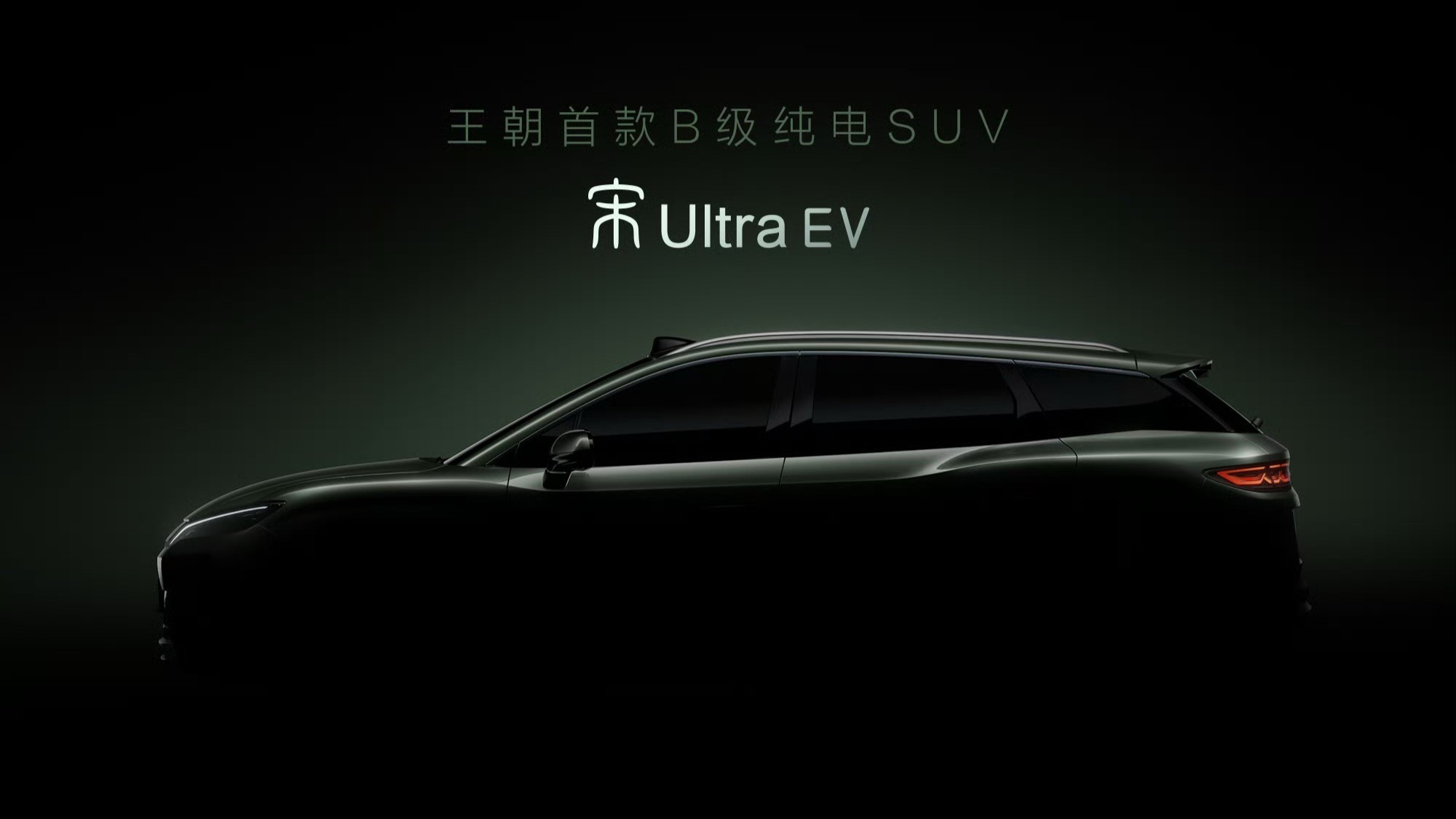
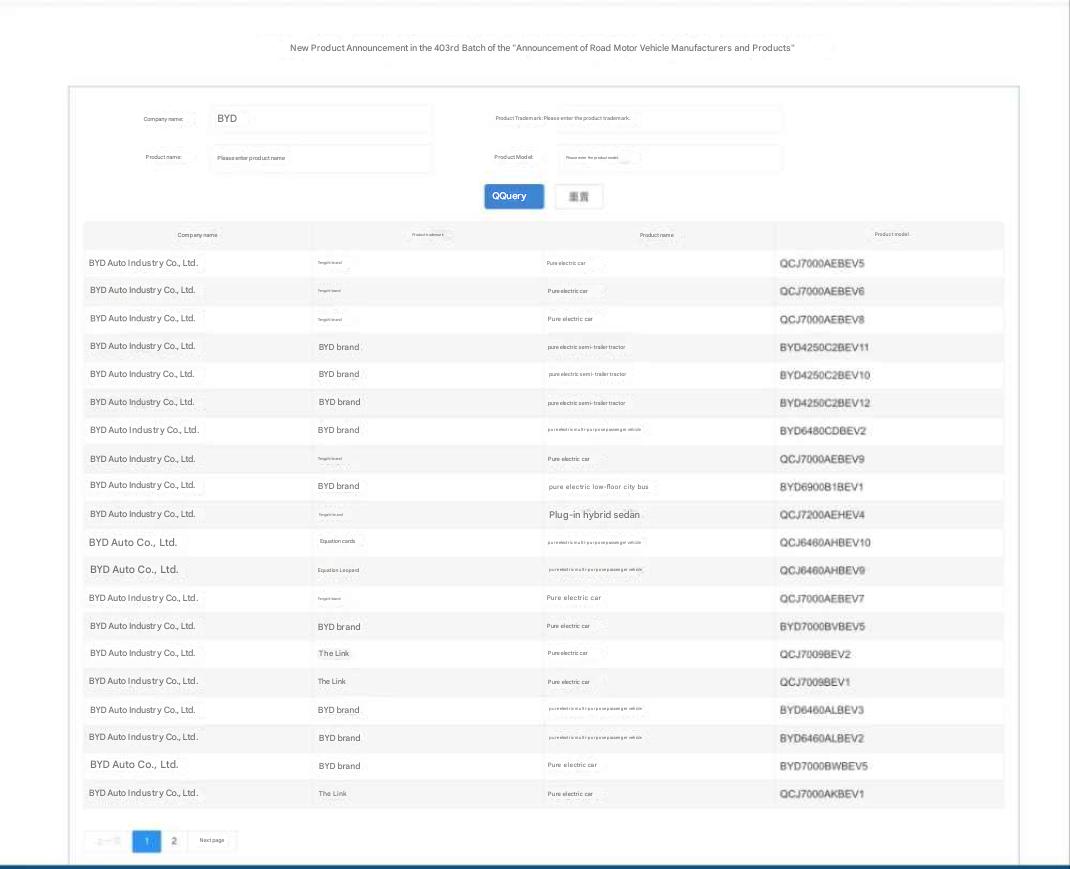
BYD is introducing a multitude of brand new or majorly updated models, as seen in spy shots and regulatory filings. The speed of updates has significantly increased over the past year. Some thought that product updates made in the latter half of last year would lead to fewer updates now. However, the 1Q updates seem even more significant than previous years.
Last year’s Intelligent Driving Edition was seen as a significant upgrade across 21 models in 1Q. However, that was limited largely to sensors, processors, and software. The upgrades this year are physically more significant. New batteries, motors, powertrains, and platforms. In addition to the 1000V Super E platform proliferating across larger new models, midsized EVs are also seeing simultaneous increases in power, efficiency, and range at lower weight. This could indicate more fundamental changes that justify giving the EV platform 4.0 generation status. BYD’s next-generation DM-I 6.0 PHEV platform is also anticipated soon, with longer range and flash charging capability. Those major mechanical changes will require a level of retooling and production interruption beyond what was needed for the intelligent driving updates. Due to plant retooling, production was also down last month.
All that is not to say that BYD has forgotten about intelligent driving (you legally can’t call it “self-driving” in China). Even though the system was launched less than a year ago, the 5th generation software recently rolled out as an OTA in China. In addition, BYD will offer LiDAR as an option across all of its vehicles in China this year.
Beyond the supply implications, seeing that significantly better cars are on the way shortly undoubtedly creates a level of Osborne effect. If you know that something better is coming in the next month or so, why would you buy now?
Purchase Tax Exemption Reduction
In China, the purchase tax exemption has been reduced from the full 10% on vehicles up to 300,000 RMB down to a 5% exemption. The purchase tax exemption is similar to the EV sales tax exemptions in some US states. For a typical BYD, priced at roughly $20,000 (140,000 RMB), it comes down to a $2,000 exemption last year versus a $1000 exemption this year. The benefit was much smaller than the $7,500 tax credit in the US, but saving around $1,000 undoubtedly also pulled a few sales forward.
The purchase tax exemption also added some range and efficiency requirements, which all BYD models currently meet (some PHEV models were updated in 3Q 2025 with more range). The same cannot be said for some slower-moving competitors. However, it is not the only incentive that is potentially impacting sales.
Scrappage and Trade-In Incentives Not Yet Available
For people scrapping older ICE cars, there is also a 12 percent incentive toward the purchase price of a new NEV, with a maximum benefit of 20,000 RMB ($2,860). Gasoline passenger vehicles with engines under 2 liters also get 10 percent of the purchase price, up to 15,000 RMB.
Beyond scrappage, individuals with newer cars can now get an incentive for transferring vehicles registered under their name as a trade-in subsidy. NEVs can get a subsidy for 8% of the vehicle price, capped at 15,000 RMB ($2,162), while sub-2l gasoline cars can get 6% up to 13,000 RMB.
However, while the incentives have been announced, they were not yet available from most of the provinces and prefectures administering the program in January. This undoubtedly had some buyers waiting for the subsidy to become available before they purchase.
In addition to stimulating scrappage, this program will now also stimulate trade-ins. Many of those vehicles are likely to be exported, which will also take older cars off the road in China, accelerating electrification. However, when the subsidy becomes available, it will most benefit companies with high customer retention … we’ll get back to that soon.
Gray Market Exports Stopped
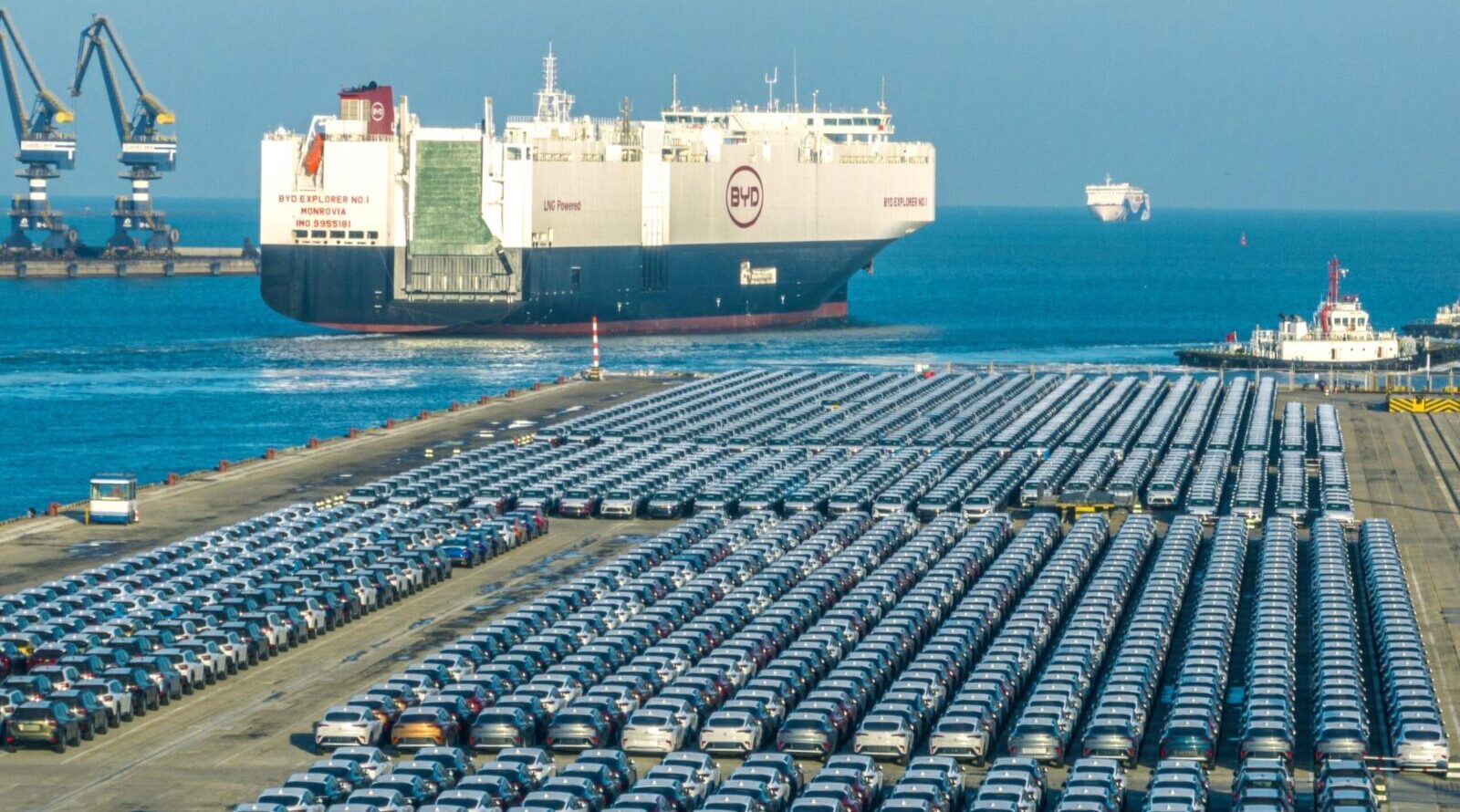
Another significant change is the effective end of 0-mile used car exports. Wheelsboy, who offered these export services in addition to his YouTube channel, explains:
By now only being able to export truly used cars, the shift creates a market for used car trade-ins recently mentioned. It also helps to drive sales of official new car exports. However, some of the 0-mile used cars would have shown up in new car sales numbers in China. This is likely particularly the case in 1Q, when sales are seasonally low, new cars are about to come out, and dealers are trying to manage inventory.
Pricing Challenges to Inventory Management
Ask yourself: What possible reason could motivate you to buy a car now with lower subsidies when a much better new model is about to come out? Chances are one potential motivator would be a screaming deal on an end of the model year vehicle. However, new regulations mean that amazing deals are not permitted the way they used to be. Every model in every trim needs to sell to dealers above “manufacturing costs and period expenses composed of management expenses, financial expenses, and sales expenses.” At the dealer, it needs to sell above invoice cost.
This would make Detroit’s money-losing EVs illegal in China. It also ends loss-leader marketing tactics as well as selling the vehicle below cost and trying to turn a profit on finance, insurance, fees, service, etc. End of season sales, like “Toyotathon,” become much more difficult.
That makes inventory management more difficult. Keeping an unsold car on a lot can involve significant costs associated with finance, insurance, rent, etc. Sometimes it saves money to sell slightly below invoice than to keep an older car on the lot for an extended time. With their ability to clear models off through pricing now being limited, manufacturers and dealers are undoubtedly proactively managing inventory levels through reduced allocations prior to major vehicle launches. This will reduce sales in months like January.
BYD Moved Up in 2025
If you take a step back, the recent dip is within the context of an overall positive larger trend in 2025. BYD moved up to 5th globally, knocking US-based automakers out of the top 5 for the first time in over a century. Of note, this ranking includes Wuling under its largest shareholder (SAIC), whereas GM (44%) counts those sales as GM. The ranking also counts Kia and Hyundai together due to their close ties, despite technical corporate separation.
However you define the groups, the trend is still clear, and the global automaker leaderboard is shifting. Isolating from global markets while cancelling high-volume models will likely lead to a further sales retreat for Detroit brands. In addition, BYD overtook Tesla not just in overall BEV sales, but also in multiple markets throughout the world.
Highest Repeat Customer Rate in China
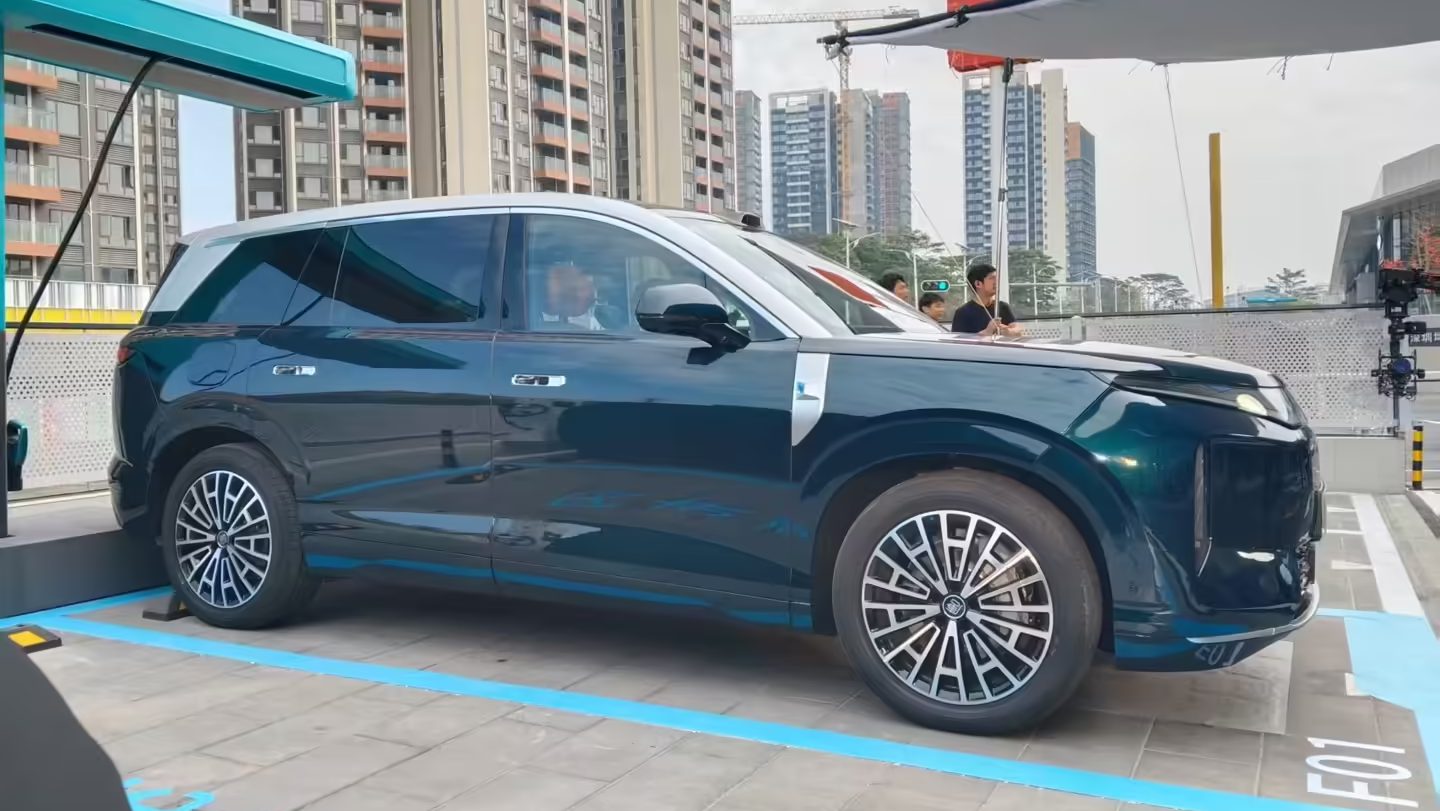
Recent data also suggests that the BYD brand had the highest repurchase rate in China, at 30.55%, which was 5% above second place Geely and 8% above Tesla. However, when you look at BYD Group, the repurchase rate jumps to 45%, widening the gap over second place. This not only indicates that BYD buyers are returning, but that previous BYD brand buyers are increasingly buying the new, more premium brands from BYD as an auto group. Overall, Chinese new car buyers are a couple decades younger and far less brand loyal than buyers in the West. New models keep giving BYD buyers more capable vehicles to upgrade to. Building up brand loyalty with these young buyers now has the potential to lead to decades of repeat sales for BYD.
BYD Already Has Regulatory Approval For Canada, And Could Start Sales Soon
Sales may also see a boost from Canada. Unlike most Chinese companies, BYD is already listed in Canada’s Appendix G Registry, particularly for its Shenzhen and Xi’an plants. These plants produce cars like the Seagull, Dolphin, Seal, and Atto 3, which have reportedly already entered the pre-approval process with very competitive estimated pricing. These older models have been early entries into many export markets and were likely also the models planned for Canada when the market was essentially closed. Of note, based on existing regulatory harmonization laws, vehicles sold in Canada are approved for the US and vice versa.
Clearly, BYD was already in the process of bringing cars to North America when Biden and Trudeau teamed up to block them. While that was undoubtedly costly at the time, it gives BYD an advantage for entering the Canadian market now. Canada has since stopped accepting new G Registry applications, forcing competitors to go through a complicated vehicle-by-vehicle process. In addition, the groundwork for sales and distribution was also likely already in progress, which would also give BYD a bit of a head start.
The US and Canada have slightly different regulations from the rest of the world. For example, bumper regulations prioritize minimizing damage to the bumper versus minimizing damage to pedestrians. As such, imported cars tend to be modified slightly. I have a feeling that BYD will divert some production capacity to take advantage of the pre-approved status to grab as much of the import quota as possible.
In addition, Canada has a lot of unused factory capacity. Detroit brands made up 56% of Canadian auto production in 2016 but declined to just 23% last year. Canadian taxpayers paid for a lot of that production capacity to be built, and they are not happy. BYD execs were previously seen touring some of the shuttered factories, and local production of knock-down kits could start sooner than many anticipate.
Context is Key
Overall, sales were down in January. Looking at sales numbers out of context looks discouraging.
However, the dip makes more sense in context. When considering the extent of the coming product updates, a larger dip now could indicate a much larger leap forward with the new vehicles. Overall, the new models and updates are far more significant than many competitors. In addition, BYD’s rollout of new megawatt flash chargers will make its faster-charging new vehicles more capable and compelling. Being able to charge as fast as filling gas may also convert some ICE sales.
Some slower-moving competitors in China are likely struggling with regulations surrounding battery safety, range and efficiency that BYD already had covered going into this year.
BYD’s relatively higher gross margins mean that their pricing becomes less impacted by regulations than some struggling automakers. More official exports and fewer gray market exports mean better customer experiences in new markets. These factors have long-term benefits.
For other companies that are pulling models, postponing updates, cancelling contracts and shrinking their EV footprint, a dip in sales would be concerning. If an automaker’s lineup was stale and without a major update on the horizon, it wouldn’t be very hopeful. However, BYD is expanding its footprint and accelerating its technology rollout. New and improved vehicles are coming out so fast that it is hard to keep on top of it. It might take a couple of months before production ramps up and we see what the sales impact of the new vehicles will be.
Overall, the road to EV adoption is not going to be as linear as many of us had once assumed. Even the leaders will see some down months. Looking at the big picture, there is reason to believe that sales will soon be back on a growth trajectory for both BYD and EVs overall.
Support CleanTechnica via Kickstarter

Sign up for CleanTechnica’s Weekly Substack for Zach and Scott’s in-depth analyses and high level summaries, sign up for our daily newsletter, and follow us on Google News!
Have a tip for CleanTechnica? Want to advertise? Want to suggest a guest for our CleanTech Talk podcast? Contact us here.
Sign up for our daily newsletter for 15 new cleantech stories a day. Or sign up for our weekly one on top stories of the week if daily is too frequent.
CleanTechnica uses affiliate links. See our policy here.
CleanTechnica’s Comment Policy