
Who Gives A Sh**T About The Climate Crisis? RFK Jr. Says “Let ‘Em Eat Steak – & Milk & Cheese”

Support CleanTechnica’s work through a Substack subscription or on Stripe.
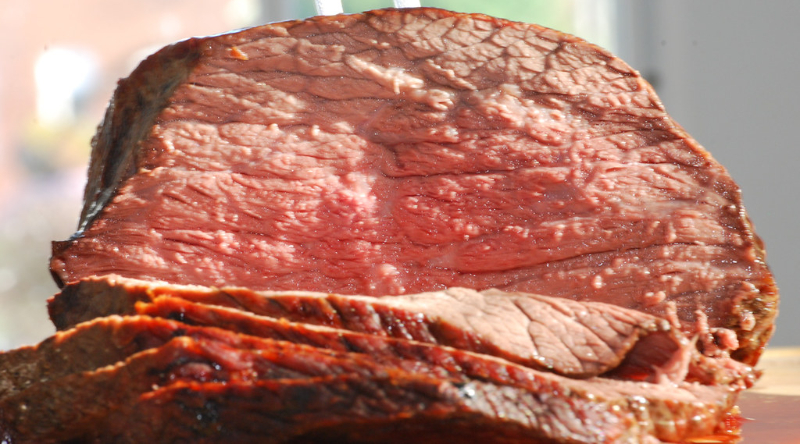
Robert F. Kennedy Jr’s Department of Health and Human Services has issued new dietary guidance. Meat lovers, rejoice! The new upside-down pyramid places steak, cheese, and whole milk as your first and best meal choices. “My message is clear,” RFK Jr. reiterated. “Eat real food.”
Such meat-focused “real food” isn’t healthy for the planet or humans. The average meat eater’s diet generates about 7.2 kg of CO2 equivalent per day. A vegan diet produces just around 2.9 kg. Math people? That’s more than half the carbon emissions saved if typical daily meals put recipes with vegetables and fruits on center stage.
The new 10-page report prioritizes “high-quality, nutrient-dense protein foods as part of a healthy dietary pattern.” Consumers should choose “a variety of protein foods from animal sources, including eggs, poultry, seafood, and red meat.”
The oft-reported nutritional benefits of red meat, such as its high protein, iron, and essential nutrient content, don’t tell the whole story. Replacing red meat with plant protein sources is associated with favorable changes in total cholesterol and low-density lipoprotein cholesterol levels — your health would be better with a restricted meat intake, in other words.
Raychel Santo, senior food and climate research associate in WRI’s Food, Land & Water Program, offers a different approach to the new RFK Jr. dietary guidelines.
“Beef and lamb, in particular, have some of the highest environmental costs of any protein-rich food — with significantly higher greenhouse gas emissions, land use, and water pollution per ounce of protein than most alternatives.The good news is that it’s entirely possible to eat a healthy, protein-adequate diet high in plant-based foods. Beans, lentils, soy, nuts, and seeds are great sources of protein and often other important nutrients such as fiber and iron while being far better for the planet than foods like beef and lamb.”
Julie Corliss, executive editor of Harvard Health Publishing, adds, “If American adults cut their consumption of both red and processed meat by 30%, that could prevent an estimated 382,400 cases of cardiovascular disease over a 10-year period.”
The Basics About Beef & Methane
Scientists have been trying for years to find just the right formula to reduce methane emissions from cattle. What? You don’t know about cows and methane emissions? I’ve always been an advocate of slowing down science just a bit so regular folks like us understand the big picture. Then we can absorb the smaller details. So here goes.
Dairy cows are ruminant animals that produce methane emissions. Cattle digest food differently than humans do. They can consume foods such as grasses and hay, which move through their digestive system in a cycle known as the biogenic carbon cycle. This cycle is in constant rotation, using the least energy possible. Methane molecules are produced as the rotation takes place. The methane is belched out the front end of the animal and is a by-product of the manure they excrete. In the simplest terms, methane emissions are the gases produced by ruminate animals such as cattle as they burp and poop.
Emissions from agriculture and waste, including landfills, remain approximately twice those associated with fossil fuels. Keeping global warming well below 2°C — the goal of the 2015 Paris Agreement — is dependent on cutting methane emissions as rapidly as possible. Methane has to be cut almost in half (45%) by 2050 to achieve that goal.
Holding Big Ag Accountable For Their Environmental Degradation
There have been efforts to reduce bovine emissions with a vaccine or different foods like seaweed. The results are inconclusive at best. The bottom line is that we have to reduce or eliminate altogether US meat consumption. Denmark has attempted to tackle the dilemma by enacting the world’s first belch and manure tax to make the agricultural sector step up and take responsibility for its role as producing the largest share of climate pollution.
Many other Europeans share the opposite end of the food ideology spectrum from RFK Jr. These Europeans are calling for enactment of the “polluter pays” principle for agricultural environmental regulation. Alex Crisp in Eurasia Review outlines how it raises billions of dollars each year and “has been fundamental in pushing energy companies to pursue cleaner, more cost-effective energy sources.”
This approach is important to note because industrial agriculture drives climate breakdown, deforestation, and water scarcity. Instead of contradictory USDA food consumption guidelines, RFK Jr. and the US should apply the same rule to our food systems. In that way corporations, rather than consumers, would bear the cost of the damage they impose.
Other Recommendations From RFK Jr. About US Diets
There was a bit of good news buried within RFK Jr.’s poorly considered advice to eat more meat, dairy, and cheese. The new guidelines do subtly encourage people in the US to eat more fruits and vegetables and to avoid sugary processed foods — which is something.
Moreover, highly processed/ultra-processed foods and refined carbohydrates should be avoided, the guidelines continue. That includes “packaged, prepared, ready-to-eat or other foods that are salty or sweet, such as chips, cookies and candy.” Your gut contains trillions of bacteria and other microorganisms called the microbiome, and candy isn’t helping it to function at all.
“A healthy diet supports a well-balanced microbiome and healthy digestion. Highly processed foods can disrupt this balance, while vegetables, fruits, fermented foods (e.g., sauerkraut, kimchi, kefir, miso), and high-fiber foods support a diverse microbiome, which may be beneficial for health.”
While it’s easy to say, these items fill grocery stores because they’re so profitable. Unfortunately, ultra-processed foods make up more than half the calories in the US diet and have been linked to chronic diseases such as diabetes and obesity.
The recommendation to limit saturated fats is still in place. Oddly, though, the guidelines suggest that eating foods higher in saturated fats, including full-fat dairy and red meat, is okay. The guidelines list butter and beef tallow as options for cooking with “healthy fats.” Really?
Yes, the guidelines do briefly state that “a variety of plant-sourced protein foods, including beans, peas, lentils, legumes, nuts, seeds, and soy” also contribute to protein intake. However, there should have been information for consumers who don’t know about choosing less resource-intensive proteins like plant-based options, which would increase care for themselves and the climate.
The USDA needs to inform and educate about human health and climate repercussions as well as describe the food choices they recommend.
Resources
“Cutting meat intake by a third could reduce rates of heart disease.” Julie Corliss. Harvard Health Publishing. October 1, 2024.
“Dietary guidelines for Americans, 2025–2030.” USDA. January 7, 2026.
“Dietary GHG emissions from 2.7 billion people already exceed the personal carbon footprint needed to achieve the 2 °C climate goal.” Juan Diego Martinez and Navin Ramankutty. Environmental Research Food Systems. November 11, 2025.
“Effect of red meat consumption on cardiovascular risk factors: A systematic review and Bayesian network meta-analysis of randomized controlled trials.” Miguel López-Moreno, et al. Clinical Trials. November 2025.
“Statement: US Releases New Dietary Guidelines.” World Resources Institute. January 7, 2026.
“The next frontier of climate accountability: Making Big Food pay its ecological bill.” Alex Crisp. Eurasia Review. January 9, 2026.
Sign up for CleanTechnica’s Weekly Substack for Zach and Scott’s in-depth analyses and high level summaries, sign up for our daily newsletter, and follow us on Google News!
Have a tip for CleanTechnica? Want to advertise? Want to suggest a guest for our CleanTech Talk podcast? Contact us here.
Sign up for our daily newsletter for 15 new cleantech stories a day. Or sign up for our weekly one on top stories of the week if daily is too frequent.
CleanTechnica uses affiliate links. See our policy here.
CleanTechnica’s Comment Policy