


Support CleanTechnica’s work through a Substack subscription, on Patreon, or on Stripe. Help us produce all of the high-quality, original content we publish week after week despite the challenges of content-scraping AI, antisocial media, inflation, and other hurdles.
Xiaomi has been a big surprise in the Chinese EV market. The cell phone company quickly launched some of the hottest and most desirable EVs. Sleek cars that excited enthusiasts and attracted crowds. However, rather than sticking with what was working, they shifted strategy with the new Sky Nomad EREV SUVs.
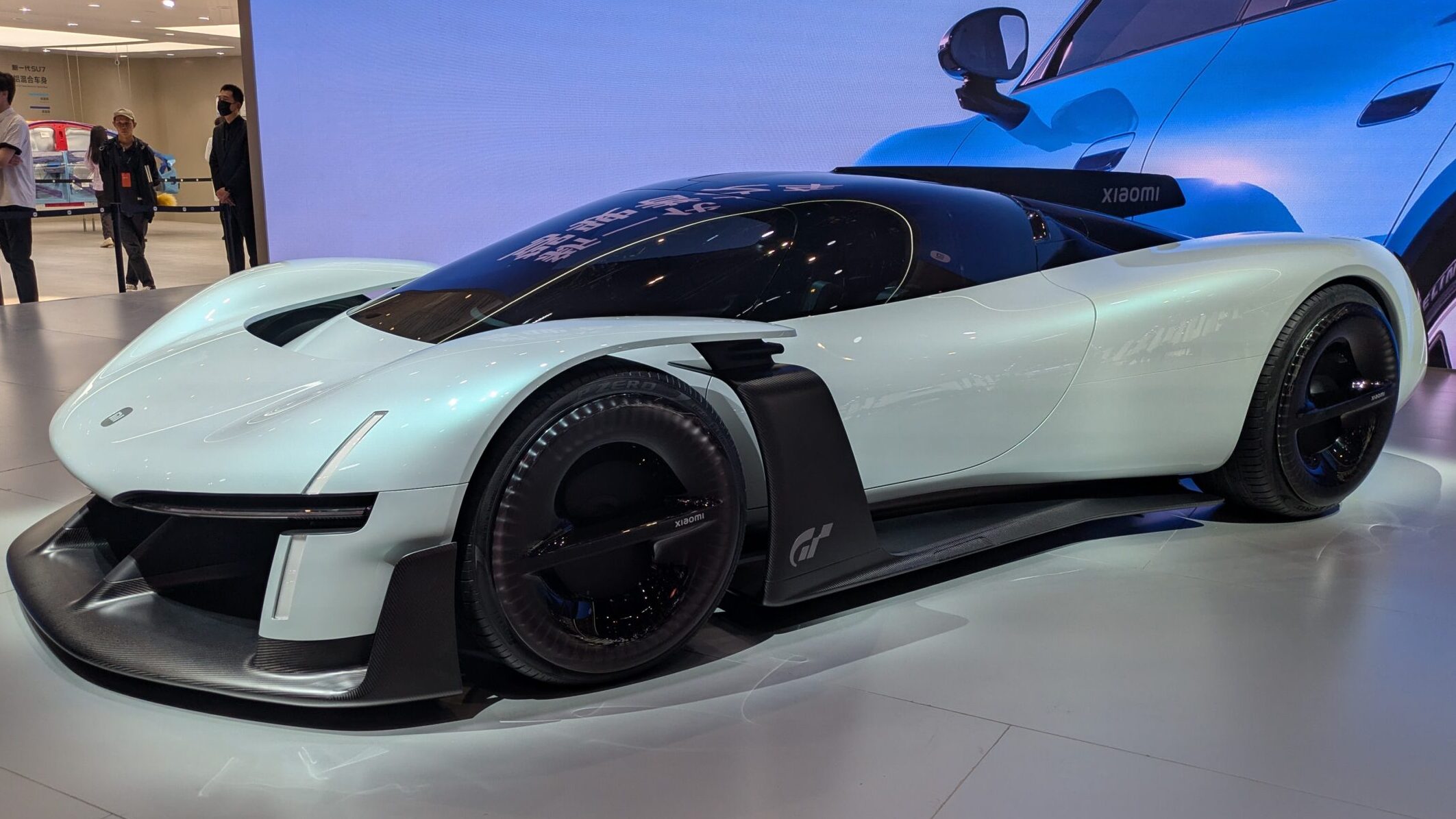
When the SU7 came out, people were shocked. The car looked amazing. Long lines formed at auto shows. The specs were promising and it more than lived up to the promise, with the company setting lap records shortly after releasing their first car. The “Modena” architecture was a clear reference to Ferrari, and it lived up to the reference. A better performing EV for less than the Italian company charges for some paint and trim packages on their sportscars.
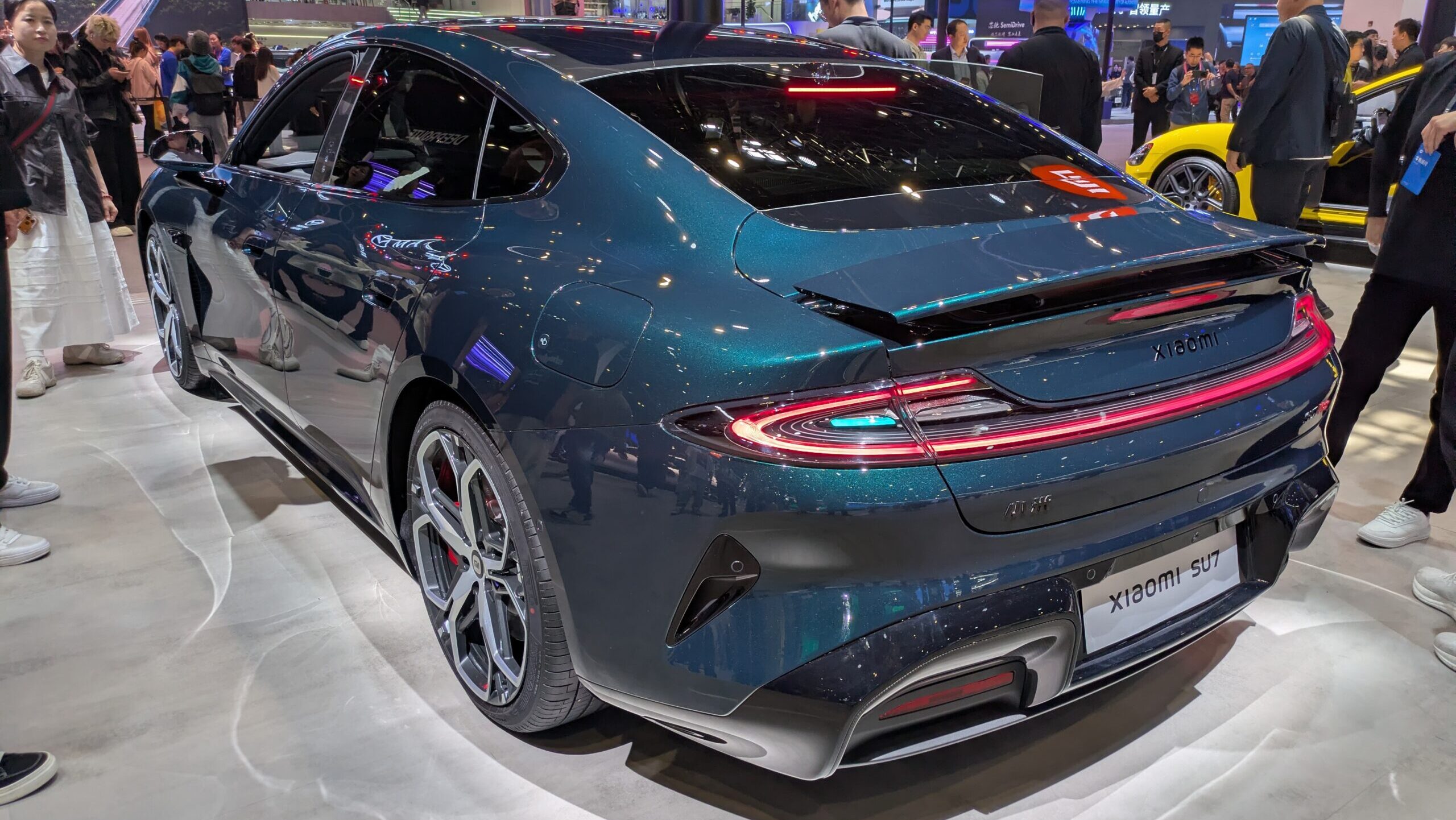
The SU7 also was loaded with tech, as would be expected from a company that became famous for smart phones. However, people desired the car before the technology integration made them like it even more.
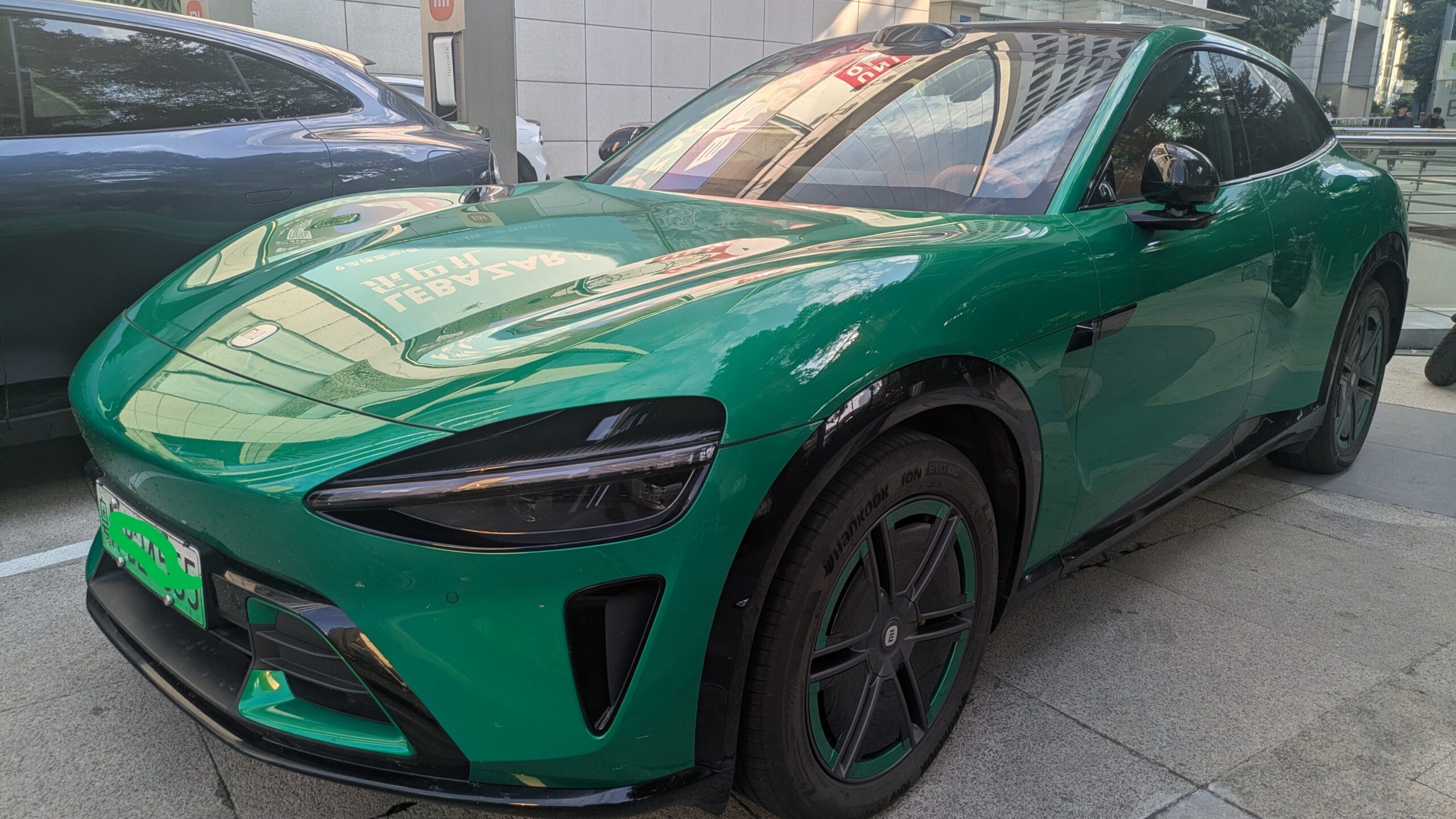
That was followed up by the YU7, also on the performance-oriented, RWD-biased Modena architecture. The YU7 set the benchmark for sporty SUVs and is arguably the best sporty SUV on the road. Better looking and performing than what Porsche offers at a fraction of the price. That reached an even larger audience.

These were not just good cars on spec sheets. They were lust-worthy vehicles. And they were a massive surprise to have come from a cell phone company with no previous experience making cars.

Sky Nomad: A Tech-Filled, Practical EREV
The new Sky Nomad vehicles take a different path. The FWD-biased EREV Kunlun architecture offers up to 464 to 505 km of battery range, which is at the top of its class. It looks spacious, either in V70 or longer V90 configuration. At 299,000 RMB ($44,262 USD) for the V90 and 249,000 ($36,860 USD) for the V70, the price seems in line with the overall mainstream SUV market in China.
Honestly, the Sky Nomad vehicles are what many would expect from a cell phone company. Lots of connectivity and versatility. A tech-filled mobile lounge. But they just don’t inspire passion like the previous Xiaomi vehicles.
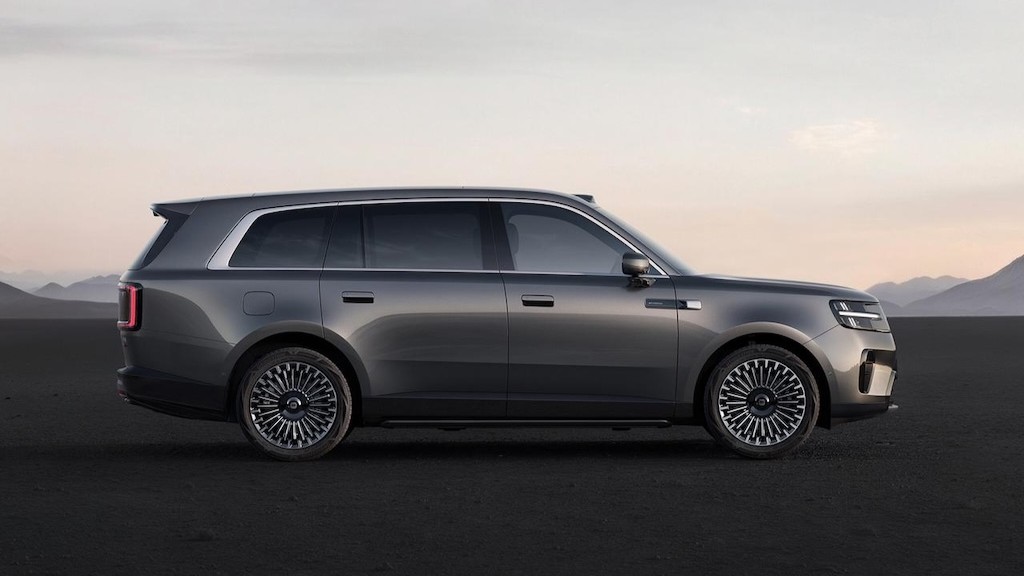
The exterior is a bit generic, and the proportions seem a little off. The wheels seem a little too small for the large body. The fastest trim accelerates to 100 km/h in 5.9s. It is not bad, but not up to the performance of top competitors in the rapidly growing full-sized SUV category, like the BYD Datang or XPENG GX.
Based on Xiaomi’s past cars, I expected something that would blow any Range Rover or Bentley Bentayga out of the water. Faster, better built and electrified, in addition to the onboard tech, while still at an affordable price. A true no-compromise vehicle for a market that is increasingly unwilling to compromise. That is not this vehicle.
To be clear, if this came from a company like Toyota, it would be an astounding leap forward. It is undoubtedly a good car and better than what is available in the closed US market in this class. But Xiaomi’s SU7 and YU7 are simply amazing cars, and expectations are very high. And the competition in China is fierce.
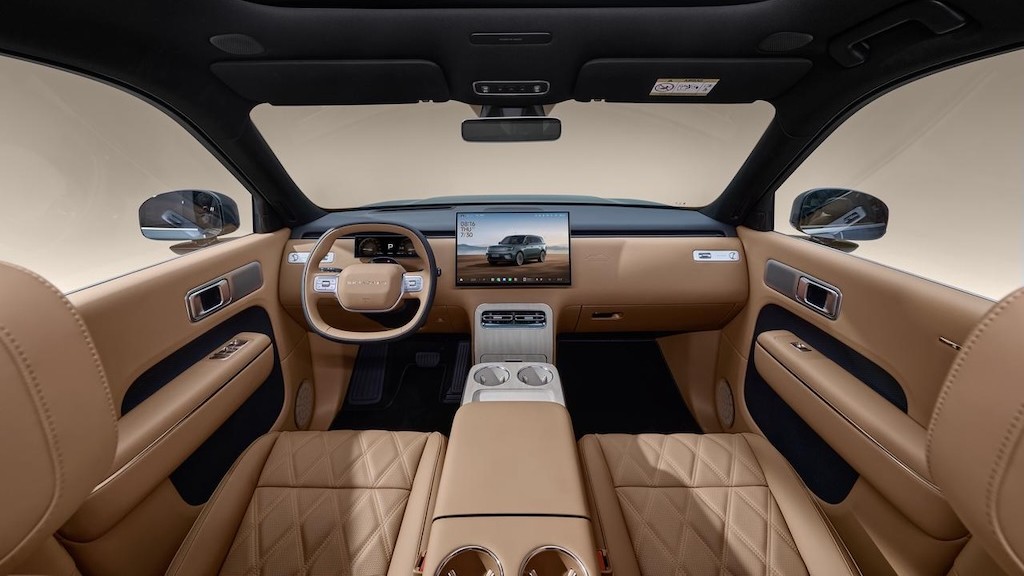
I am sure the infotainment technology and connectivity are great. It is undoubtedly a more practical car and more space efficient than the YU7, despite the added bulk of the range extender. The seats are highly configurable on the large, flat floor. Accessories seem abundant. Some might prefer it. It would clearly be well suited for “chore driving” with a family, whether that driving is left up to the driver or the advanced intelligent driving system. Some people actually dislike driving and would prefer a mobile lounge with no driver engagement at all.
Are We Losing The Passion For Cars?
I was into cars before I was into EVs. When I look at the Sky Nomad, I don’t start plotting schemes to sneak it past regulators into the US. I have a feeling Jim Farley would also not have the same kind of glowing praise for this car that he had for the SU7.
It also does not seem to be that impressive to shareholders, with Xiaomi’s stock declining after the Sky Nomad launch.

But am I wrong? Is compromising on exterior styling and dynamics of a car something people are willing to accept for a better onboard infotainment and connectivity experience? Am I a “dinosaur” for still having a passion for cars and the joy of driving? Do young people not care about that and just want to ride around in a massive, comfortable cell phone that can get them from point A to B?
Also, in this case, I am viewing from a distance. With many of these products, particularly with customer-focused technology, the real measure of success is in the execution. With some in-person experience, I may “get it” more. I have a feeling that some consumers may also “get it” with more in-person experience.

In the end, only time will tell if this shift is a success. There is a good chance that the Sky Nomad will capture a sizeable piece of a market segment, even if that is different than the market for the SU7 and YU7. However, it does confuse what the car brand stands for somewhat. It is different than what has made them surprisingly successful so far. Perhaps two significantly different product lines can live side by side in the same brand portfolio and still form some kind of unifying connective tissue in the minds of customers. However, if the company wants to focus on a different direction for the automotive brand, I suppose it is best to do it now, while they are just getting started selling cars.
If the Sky Nomad vehicles do not perform well, Xiaomi also has the ability to shift rapidly. After all, they came out of nowhere to produce world-beating cars in just a couple of years. Personally, I hope Xiaomi returns to expand their performance-oriented products along the lines of their excellent Modena architecture vehicles. Maybe something a little smaller and lighter to inspire even more passion.
Sign up for CleanTechnica’s Weekly Substack for Zach and Scott’s in-depth analyses and high level summaries, sign up for our daily newsletter, and follow us on Google News!
Have a tip for CleanTechnica? Want to advertise? Want to suggest a guest for our CleanTech Talk podcast? Contact us here.
Sign up for our daily newsletter for 15 new cleantech stories a day. Or sign up for our weekly one on top stories of the week if daily is too frequent.


CleanTechnica uses affiliate links. See our policy here.
CleanTechnica’s Comment Policy