

Support CleanTechnica’s work through a Substack subscription or on Stripe.
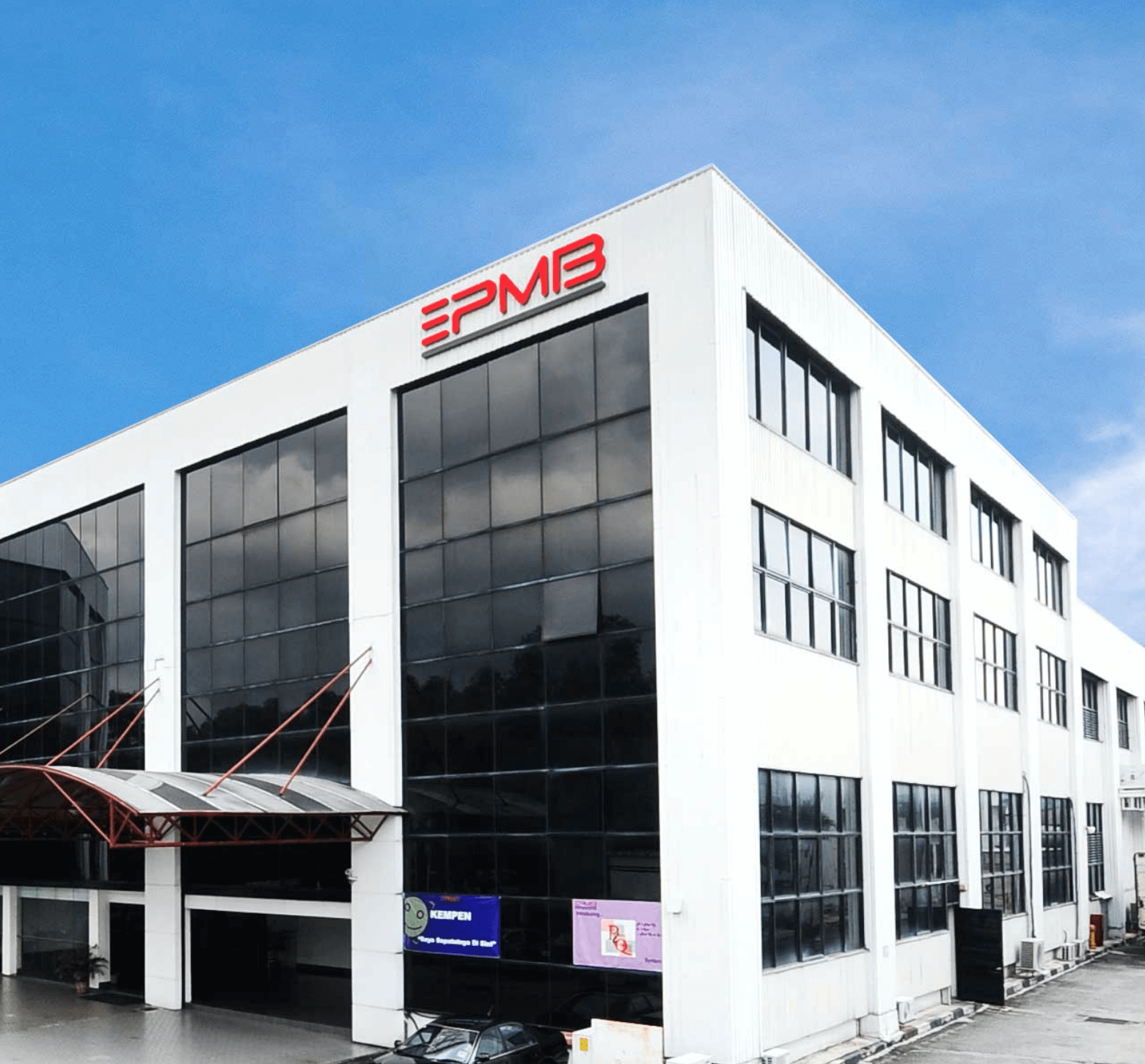
XPENG is expanding into the Southeast Asia region, as it just signed an agreement with Malaysian industrial partner EP Manufacturing Berhad (EPMB) to begin local assembly operations in Malacca, with production scheduled to commence in 2026, the companies announced Thursday.
The announcement came after XPENG announced on December 12 that EPMB would issue a stock exchange announcement, and then the final information came to Chinese automotive journalists on December 15.
The partnership marks XPENG’s third international manufacturing initiative and follows a growing trend of Chinese automakers establishing production facilities across Southeast Asia to navigate trade barriers and capture market share in the region’s expanding EV sector.
Under the agreement filed Monday with regulators, EPMB will begin assembling XPENG’s G6 electric SUV by March 31, 2026, followed by the X9 minivan—including its extended-range hybrid version—by May 25, 2026, at facilities in the state of Malacca. The deal includes provisions for EPMB to secure first rights to assemble three additional XPENG models.
The move positions XPENG alongside rival Chinese manufacturers racing to establish footholds in Malaysia’s automotive sector. BYD, the world’s largest EV maker, announced plans in August to build a 600,000-square-meter assembly plant in Tanjung Malim, Perak, set to begin production in late 2026. Stellantis-backed Leapmotor and state-owned automakers including BAIC and SAIC have also partnered with local manufacturers for Malaysian assembly operations.
Malaysia has emerged as a strategic hub for Chinese EV makers seeking access to right-hand-drive (RHD) markets across Southeast Asia. The country offers significant tax incentives for locally assembled vehicles, including full exemptions from import duties, excise duties, and sales tax for completely knocked down (CKD) EVs until December 31, 2027—two years longer than incentives for fully imported vehicles, which expire at the end of 2025.
There are more RHD markets in the whole of Asia, and specifically in the ASEAN region.
The government has set ambitious targets for electrification, aiming for EVs to represent 20 percent of new vehicle sales by 2030, rising to 38 percent by 2040. As of 2025, electric vehicles account for approximately 4 percent of Malaysia’s automotive market.
XPENG’s Malaysian venture follows the company’s September launch of assembly operations at Magna Steyr’s facility in Graz, Austria, designed to circumvent European Union tariffs on Chinese-made EVs. The automaker also began knock-down assembly in Indonesia in July, producing the X9 minivan at a facility operated by Handal Indonesia Motor in Purwakarta, West Java.
The Guangzhou-based company has accelerated its international expansion significantly in 2025. From January through November, XPENG delivered 39,773 vehicles to overseas markets, representing a 95 percent year-over-year increase. The company now operates 321 sales and service outlets across 52 countries, up from just 30 markets at the end of 2024.
XPENG entered the Malaysian market in August 2024 through distributor Bermaz Xpeng, opening its first showroom in Glenmarie, Kuala Lumpur. The company currently sells two right-hand-drive models in Malaysia: the G6 SUV, priced from RM 178,888 ($42,270), and the X9 MPV, which has become the best-selling vehicle in its segment in Malaysia, Thailand, and Hong Kong.
EPMB, which has over 40 years of experience as a Tier 1 automotive supplier, has rapidly expanded its vehicle assembly capabilities. The company has already produced more than 6,000 units of the Great Wall (GWM) H6 hybrid since breaking ground on its first assembly phase in late 2023. Pilot production for BAIC vehicles was completed in November 2025, with full production beginning in January 2026, while MG vehicle assembly is expected to start in February 2026.
“This strategic alliance combines EPMB’s over four decades of automotive manufacturing excellence and local insights with XPENG’s cutting-edge intelligence and electrification innovations,” said Hamidon bin Abdullah, founder and executive chairman of EPMB, in a statement.
James Wu, vice president of XPENG in a press statement, described the Malaysian initiative as central to the company’s long-term goal of achieving overseas sales equivalent to half its total volume within the next decade. “Malaysia is a strategic gateway for us to deeply cultivate the ASEAN right-hand drive market,” Wu said.
XPENG did not disclose production capacity targets or sales projections for the Malaysian facility, stating its focus remains on long-term brand development and ensuring locally produced vehicles meet global quality standards.
The partnership reflects Malaysia’s evolving position in the global automotive supply chain as international manufacturers seek alternatives to China-based production amid geopolitical tensions and escalating trade restrictions in key markets, including the United States and European Union.
Sign up for CleanTechnica’s Weekly Substack for Zach and Scott’s in-depth analyses and high level summaries, sign up for our daily newsletter, and follow us on Google News!
Have a tip for CleanTechnica? Want to advertise? Want to suggest a guest for our CleanTech Talk podcast? Contact us here.
Sign up for our daily newsletter for 15 new cleantech stories a day. Or sign up for our weekly one on top stories of the week if daily is too frequent.
CleanTechnica uses affiliate links. See our policy here.
CleanTechnica’s Comment Policy