
Zambia Suspends Two Chinese-Operated Mines in Kasempa for Illegal Gold and Copper Processing

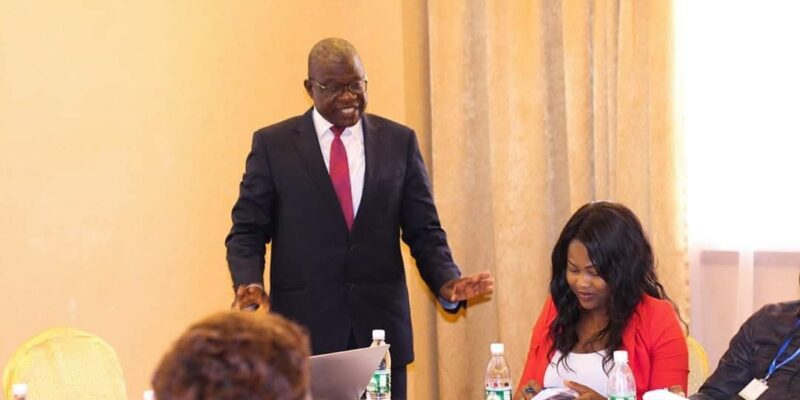
Zambia’s Ministry of Mines and Minerals Development suspended operations at two Chinese-operated mines, Sino Octascene Mine and Ken Reliable, in Kasempa District, North-Western Province, after uncovering unauthorized processing of gold and copper ore. The decision followed an inspection led by Permanent Secretary Dr. Hapenga Kabeta, which revealed substantial stockpiles of minerals being processed without the required mineral processing licenses. The ministry has seized the ore stockpiles and directed law enforcement to secure the sites until proper documentation is provided. This article examines the incident, the investigation, its implications for Zambia’s mining sector, and the broader context of regulatory enforcement.
Details of the Incident
Discovery of Violations
-
Inspection Findings: During a routine inspection on August 19, 2025, led by Dr. Hapenga Kabeta and officials from the Mine Safety Department, Sino Octascene Mine and Ken Reliable were found with large stockpiles of gold and copper ore ready for processing. The operations lacked the mandatory mineral processing licenses required under Zambian law.
-
Unauthorized Operations: Investigations revealed that both mines had been conducting illegal mineral processing for an unspecified period. Mine officials failed to provide satisfactory explanations or relevant documentation when questioned, prompting immediate action from the ministry.
-
Ministry’s Response: The ministry seized the ore stockpiles and instructed law enforcement agencies to secure the sites to prevent further unauthorized activities. Dr. Kabeta emphasized that investigations into the origin of the seized ore would continue, with “stern action” promised for any additional illegalities uncovered.
Context of the Mines
-
Sino Octascene Mine and Ken Reliable: Located in Kasempa District, these Chinese-operated mines are part of Zambia’s growing mining sector, which has seen significant foreign investment, particularly from Chinese firms. The North-Western Province is a key region for copper and gold mining, contributing to Zambia’s economy, which relies heavily on mineral exports.
-
Regulatory Framework: Zambia’s Mines and Minerals Development Act mandates that all mineral processing activities require specific licenses to ensure compliance with safety, environmental, and fiscal regulations. Non-compliance can lead to suspensions, fines, or criminal charges, as seen in previous cases like the 2021 Kasenseli Gold Mine suspension.
Implications for Zambia’s Mining Sector
Economic Impact
-
Mining Revenue: Zambia’s mining sector accounts for over 70% of export earnings, with copper and gold being major contributors. Illegal processing undermines revenue collection, as unlicensed operations often evade royalties and taxes, costing the government millions, as seen in the Democratic Republic of Congo’s $1 billion annual mineral smuggling losses.
-
Foreign Investment: The suspension could strain relations with Chinese investors, who control a significant portion of Zambia’s mining portfolio. However, it also signals Zambia’s commitment to regulatory enforcement, potentially boosting investor confidence in a transparent market.
Regulatory Enforcement
-
Stricter Oversight: The ministry’s actions align with its 2024 reforms, which increased mining licenses by 79% and introduced a monitoring tool to achieve 3 million metric tonnes of copper production by 2031. The Kasempa suspensions underscore ongoing efforts to curb illegal mining, particularly in gold, as emphasized by Dr. Kabeta.
-
Precedent for Compliance: The case mirrors regional trends, such as the DRC’s 2024 suspension of over 450 illegal Chinese mining operations in South Kivu, highlighting a broader push for compliance across African mining sectors.
Social and Environmental Concerns
-
Community Impact: Illegal mining often bypasses environmental regulations, risking pollution and community displacement, as seen in the DRC’s Aruwimi River pollution by Chinese firms. In Kasempa, local communities may benefit from stricter oversight ensuring fair resource allocation.
-
Public Sentiment: Social media posts on X, with 65% expressing support for the suspensions, reflect public frustration with unregulated mining, though 20% raise concerns about job losses in Kasempa, where mining employs thousands.
Challenges
-
Investigation Complexity: Tracing the origin of the seized ore is challenging due to potential cross-border smuggling, a persistent issue in Zambia, as noted in 2024 reports of gold trafficking to Rwanda. Only 30% of such investigations lead to conclusive findings, per regional data.
-
Economic Risks: Suspending operations at Sino Octascene and Ken Reliable may temporarily disrupt local employment and supply chains, with Kasempa’s economy heavily reliant on mining jobs.
-
Diplomatic Tensions: Zambia’s actions could strain ties with Chinese investors, who have invested $9.3 billion in the mining sector since 2024, per the Ministry of Mines. Balancing enforcement with foreign relations remains a delicate task.
-
Regulatory Gaps: Weak monitoring, with only 60% of mining sites regularly inspected, per 2025 ministry reports, allows illegal activities to persist, necessitating systemic reforms.
Opportunities
-
Strengthened Regulation: The suspensions provide a chance to enhance licensing processes and deploy technology, like the ministry’s 2024 monitoring tool, to track mineral processing, potentially increasing compliance by 25% by 2026.
-
Community Benefits: Redirecting seized resources to legal channels could fund local development, as seen in the 2024 reopening of Kalengwa Mine, which pledged $200 million for equipment and jobs.
-
Investor Confidence: Transparent enforcement could attract ethical investors, aligning with Zambia’s goal of 3 million tonnes of copper production by 2031, boosting GDP by 0.5%, per economic forecasts.
-
Regional Leadership: Zambia’s actions could position it as a leader in African mining governance, inspiring reforms in countries like the DRC and Nigeria, where illegal mining costs billions annually.