
Zijin’s $500M Bid for Barrick’s Tongon Mine: A Strategic Play in Africa’s Resource Chess Game

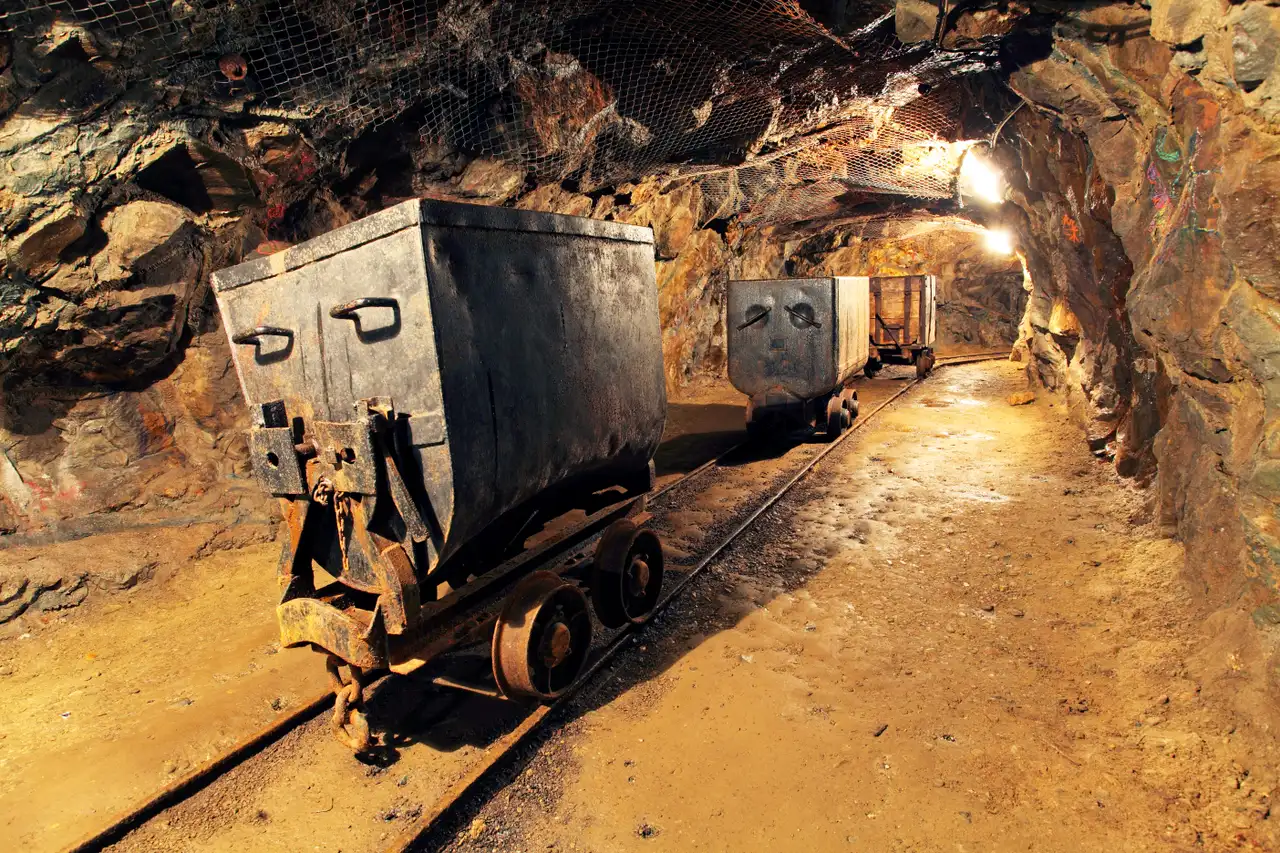
China’s Zijin Mining emerged as the frontrunner to acquire Barrick Gold’s Tongon gold mine in northern Ivory Coast for up to $500 million, a deal that underscores a broader strategic shift in global resource control. As Barrick pivots toward copper and high-margin assets, Zijin’s aggressive bid for a mine nearing its end-of-life by 2027 signals a calculated move to secure leverage in Africa’s resource-rich landscape. With Chinese investments in African mining exceeding $50 billion since 2010, this acquisition is less about immediate profits and more about long-term geopolitical and economic influence. In a world where India’s ₹1.5 lakh crore Jabalpur gold discovery fuels Atmanirbhar Bharat’s self-reliance push, this article explores the motivations, implications, and global context of Zijin’s bid, drawing from recent reports and posts on X.
Why Zijin’s Premium Bid for Tongon?
The Tongon mine, which produced 148,000 ounces of gold in 2024—valued at over $500 million at current prices—may seem an unlikely target for such a high bid, given its projected closure by 2027 due to declining reserves. Yet, Zijin’s willingness to pay a premium, potentially above the mine’s estimated $300 million value, reveals strategic intent:
1. Expanding China’s African Footprint
Zijin’s bid aligns with China’s long-term resource acquisition strategy, with over $50 billion invested in African mining since 2010, targeting gold, copper, cobalt, and bauxite. The Tongon acquisition strengthens Zijin’s West African presence, building on its $1 billion purchase of Newmont’s Akyem mine in Ghana and a 9.9% stake in Canada-based Montage Gold’s Kone project in Ivory Coast. This creates operational synergies, positioning Zijin as a dominant player in Africa’s gold belt.
2. Geopolitical Leverage
The deal is not just about gold; it’s about influence. As posts on X highlight, resource acquisitions are a “chess game” for control over critical minerals essential for global industries, from electronics to renewable energy. By securing Tongon, Zijin bolsters China’s leverage in global trade, especially amid tensions like U.S. tariffs impacting $87 billion in Indian exports, which mirror challenges for African economies.
3. Potential for Mine Life Extension
While Barrick projects Tongon’s closure by 2027, Zijin’s track record suggests it may invest in exploration or advanced processing to extend the mine’s life. Techniques like underground mining or improved ore recovery could unlock additional reserves, making the $500 million bid a calculated risk for long-term gains.
4. Portfolio Diversification
Zijin’s aggressive expansion into gold, copper, cobalt, and bauxite diversifies its portfolio, mitigating risks from market volatility. This contrasts with Barrick’s strategic retreat from shorter-life gold assets to focus on copper and high-return operations in Africa and the Middle East.
Barrick’s Strategic Pivot
Barrick, the world’s third-largest gold producer, is divesting assets like Tongon to streamline its portfolio:
-
Copper Focus: Barrick aims to increase copper’s share in its output to 30% by 2029, reflecting higher margins and demand for green energy materials.
-
Risk Reduction: Exiting shorter-life mines like Tongon, which requires significant reinvestment, aligns with Barrick’s focus on long-life, high-margin assets. Recent divestitures include a $1 billion stake in Alaska’s Donlin Gold project and Canada’s Hemlo mine.
-
Regional Challenges: Political volatility in West Africa, such as Mali’s seizure of three tons of gold from Barrick’s Loulo-Gounkoto mine, has prompted a strategic retreat from high-risk regions. Ivory Coast’s stable investment climate makes Tongon an attractive asset for sale.
Barrick’s advisors, TD Securities and Treadstone Resource Partners, are managing the sale, with a final decision expected by late July 2025, pending regulatory approval.
Economic and Geopolitical Implications
Zijin’s bid for Tongon has broader implications for global and regional dynamics:
-
China’s African Influence: With $50 billion invested in African mining, Chinese firms are reshaping ownership patterns, filling voids left by Western miners like Barrick. This mirrors India’s Atmanirbhar Bharat push, where the Jabalpur gold discovery aims to reduce import dependency.
-
Economic Impact: The deal could generate jobs and infrastructure in Ivory Coast, though the government’s preference for partnership-based models clashes with Zijin’s standalone acquisition strategy, potentially complicating negotiations.
-
Global Resource Competition: As posts on X suggest, resource deals like Tongon are part of a “great resource chess game,” with implications for collateral chains and global liquidity. This aligns with India’s efforts to diversify trade through FTAs with the UK and UAE amid U.S. tariffs.
-
Sustainability and Community: Zijin’s ownership raises questions about environmental management and local employment, critical for Tongon’s 89.7% Barrick, 10% Ivorian government, and 0.3% local investor structure.
Challenges and Opportunities
Challenges
-
Regulatory Hurdles: Ivory Coast’s government prefers joint ventures, which Zijin resists, potentially delaying or derailing the deal.
-
Mine Life Limitation: Tongon’s projected closure by 2027 limits immediate returns unless Zijin unlocks new reserves, a risky bet.
-
Geopolitical Risks: Regional instability, as seen in Mali, and global trade tensions, like U.S. tariffs, could impact Zijin’s operations.
-
Local Pushback: Community and environmental concerns, similar to those in India’s mining sector, may challenge Zijin’s plans if not addressed.
Opportunities
-
Regional Synergies: Zijin can leverage its Ghana and Ivory Coast assets to create a West African mining hub, enhancing efficiency.
-
Technological Innovation: Adopting mining-tech like drone surveys and IoT, as seen in Jabalpur, could extend Tongon’s viability and align with India’s self-reliance model.
-
Global Influence: Securing Tongon strengthens China’s role in critical mineral markets, paralleling India’s ambitions with Jabalpur’s gold reserves.
-
Economic Growth: The deal supports Ivory Coast’s mining sector, potentially mirroring India’s job creation from mining projects.