

Support CleanTechnica’s work through a Substack subscription or on Stripe.
Or support our Kickstarter campaign!
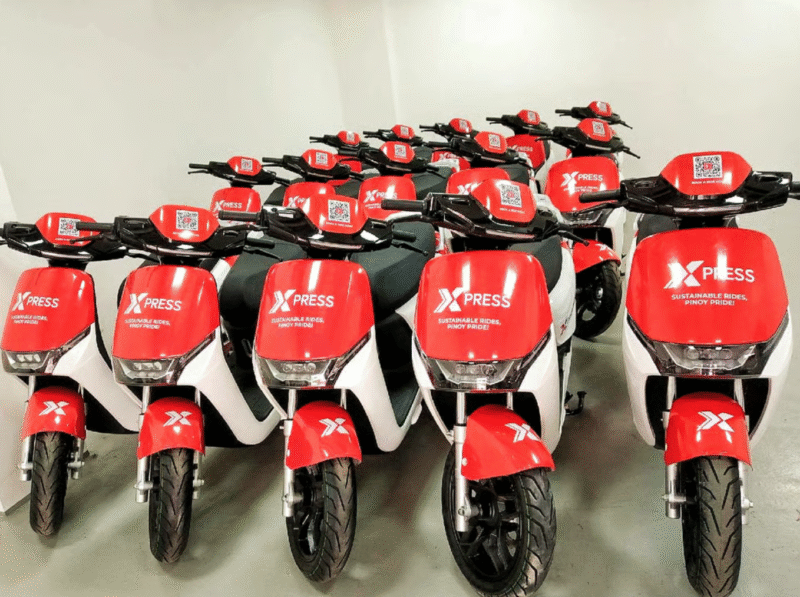
Electric motorcycles are beginning to move from pilot use to commercial deployment in the Philippine moto-taxi sector, with ride-hailing platform Xpress Super App confirming the integration of electric motorcycles supplied by VOLTAI into its operating network.
VOLTAI is an electric vehicle brand under the Aboitiz Group, one of the country’s largest business groups, with interests spanning energy, infrastructure, and transport. Financial access for drivers is being supported through Cebuana Lhuillier, which is providing financing and payment channels aimed at reducing upfront acquisition costs.
The rollout marks a shift away from small-scale electric vehicle trials toward revenue-generating, high-frequency commercial use. Company representatives said the electric motorcycles are being deployed for daily operations rather than demonstration or test programs, signaling a move toward commercial viability in the two-wheel segment.
Motorcycles and moto-taxis play a central role in Philippine transport, particularly in dense urban areas and tourism zones where congestion and limited public transit make four-wheel travel inefficient. Despite this, most electric vehicle investment in the country has focused on cars and fleet vehicles, which remain expensive for individual drivers and slow to scale.
Industry observers note that two-wheel electrification presents fewer barriers. Electric motorcycles typically have lower purchase prices, reduced maintenance requirements, and faster payback periods when used for commercial transport. In ride-hailing and delivery applications, high daily trip volumes allow fuel and servicing savings to be realized more quickly than in private vehicle use.
Xpress said the deployment is structured around consistent ride demand generated by its platform, reducing utilization risk for drivers. This platform-based model differs from earlier EV pilots that relied on limited trials without guaranteed trip volume, many of which failed to progress beyond initial testing.
VOLTAI’s motorcycles are designed for local operating conditions, including frequent stop-and-go traffic and extended daily use. Aboitiz Group’s involvement provides institutional backing that has been largely absent from previous electric two-wheel efforts in the Philippines, where fragmented supply chains and limited after-sales support have slowed adoption.
Access to financing has been a persistent constraint for motorcycle electrification. Cebuana Lhuillier’s participation enables installment-based acquisition models, allowing drivers to transition to electric units without large upfront capital. Transport analysts have repeatedly identified financing as a key factor in determining whether electric motorcycles can scale beyond niche use.
The deployment comes as the Philippine government continues to refine its regulatory approach to light electric vehicles. While recent restrictions on e-bikes and e-trikes have highlighted regulatory uncertainty in some segments, electric motorcycles used for commercial transport generally fall under clearer vehicle classifications, making near-term deployment easier.
No figures have yet been released on the number of electric motorcycles currently in service or the timeline for broader rollout. However, observers say expansion to additional cities and sustained driver participation will be critical indicators of whether the model can scale nationally.
If adoption accelerates, electric moto-taxis could play a significant role in reducing urban transport emissions. Two-wheel vehicles account for a large share of daily trips in Philippine cities, particularly for short-distance travel. Electrifying this segment offers a faster emissions-reduction pathway than focusing solely on private electric cars, which remain a minority on the road.
For now, the rollout represents an early but notable transition from pilot-stage electrification to operational deployment in one of the country’s most heavily used transport modes.
Support CleanTechnica via Kickstarter

Sign up for CleanTechnica’s Weekly Substack for Zach and Scott’s in-depth analyses and high level summaries, sign up for our daily newsletter, and follow us on Google News!
Have a tip for CleanTechnica? Want to advertise? Want to suggest a guest for our CleanTech Talk podcast? Contact us here.
Sign up for our daily newsletter for 15 new cleantech stories a day. Or sign up for our weekly one on top stories of the week if daily is too frequent.
CleanTechnica uses affiliate links. See our policy here.
CleanTechnica’s Comment Policy