


Support CleanTechnica’s work through a Substack subscription or on Stripe.
EV sales in Africa are booming, spurred in part by higher prices for gasoline and diesel as a result of the US assault on Iran. But even before that disastrous military campaign, many African nations lacked the refineries needed to turn crude oil into fuels, and so had to import every drop of gasoline or diesel, which was expensive.
You might think that high prices for gasoline and diesel would lead to more sales of electric cars and trucks, but the grid infrastructure in many parts of those countries rarely extends beyond the major cities. As a result, people living in rural areas have no ability to charge an EV even if they own one. It’s the classic chicken or egg conundrum.
Two years ago, Ethiopia did something unprecedented. It banned the importation of vehicles powered by internal combustion engines on the grounds that the nation was squandering money it didn’t have to import fuels for those vehicles. It’s not like Ethiopia has a robust, fully functioning electrical grid. It does not. Even in the capital, Addis Ababa, the supply of electricity is interrupted frequently every day. But the pain of scrounging for scarce gasoline is even worse.
Architect Deghareg Bekele told The Guardian recently that he purchased an EV manufactured by Volkswagen. Initially, he had some doubts about his decision, but now, after four months of driving an EV, he said he is pleased with his purchase because he no longer has to endure the long lines at the petrol pump caused by Ethiopia’s chronic fuel shortages. “I’d have to wait two to three hours, even if I got there in the early morning, and they often run out of petrol before it’s your turn. Having an EV saves me lots of time. I have no regrets.”
Ethiopia Leads In EV Sales In Africa
According to Yale Climate Connections, Ethiopia is now leading the transition to electric cars in Africa. It imported 44,358 electric vehicles from China in 2025 according to data from China’s Commerce Ministry. That’s more than double the 19,386 cars imported from China in 2024. The shipments, valued at over $200 million, highlight a growing demand for electric cars, especially in Ethiopia. In 2025, it imported a third of Africa’s imports from China, ahead of other major markets in South Africa, Egypt, Morocco, and Nigeria. More than 115,000 EVs are now on Ethiopia’s roads, where they account for about 8 percent of all cars in the country.
The country spends about $4.2 billion on fuel imports each year, which puts a strain on its foreign currency reserves. Its trade minister, Kassahun Gofe, said recently it is also spending as much as $128 million every month on fuel subsidies. The war on Iran has led to a shortfall of 180,000 metric tons of fuel because of the closure of the Strait of Hormuz. That has caused the government to redouble its efforts to increase the number of EVs in Ethiopia, calling it a critical buffer against external supply shocks.
“From a general perspective, it is sustainable,” said Hiten Parmar, executive director of South African-based The Electric Mission. “By replacing imported fuel with domestically generated electricity, Ethiopia is strengthening its energy security position.”
Renewables In Ethiopia
The utility grid in Ethiopia may be sub-standard by western standards, but 90 percent of its electricity comes from renewable sources, mainly hydro and solar. The Grand Ethiopian Renaissance Dam, Africa’s largest hydroelectric project, is expected to double its power generation — although, there is an international component to that plan. The dam has been at the center of a decade-long dispute over water supplies with Egypt and Sudan, both of which are downstream of the dam.
“We have massive potential in renewables,” Bareo Hassen, Ethiopia’s transportation minister, told The Guardian. He says the decision to ban imports of diesel and petrol vehicles is part of the country’s push to promote green policies and reduce the pollution that chokes the capital during rush hour.
To encourage EV purchases, Ethiopia has exempted them from virtually all fees and import duties. Despite such incentives, cars are still very expensive. The cheapest BYD sells for about $13,000, which doesn’t seem like a lot until you factor in that a physician in Ethiopia earns less than $100 a month. But conventional cars are also hugely expensive, due in large part to the 200 percent import tariffs on them before they were banned. Because those cars cost so much when they were new, prices for used cars remain stubbornly high as well.
Charging Infrastructure Is Lagging
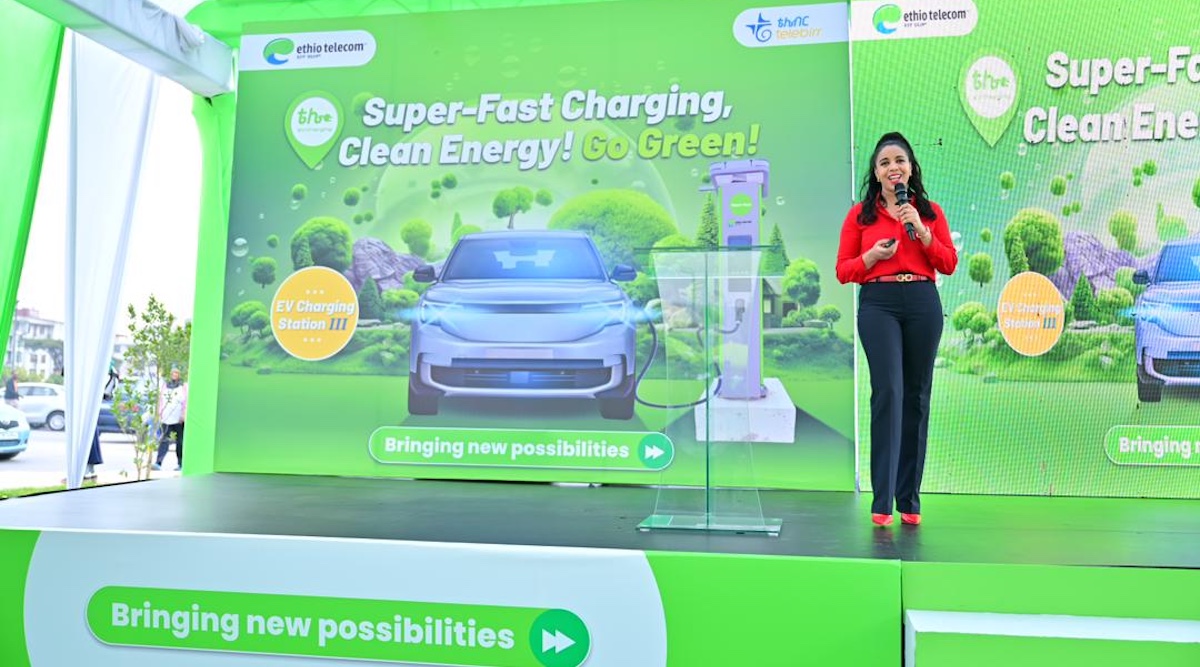
If you have range anxiety in North America or Europe, where there are now tens of thousands of charging points, imagine what it must be like to own an electric car in Ethiopia, which has few chargers outside of Addis Ababa. Even in the capitol city, there are less than 100 chargers. This makes trips into the countryside problematic, where power cuts are particularly frequent. It also makes owning an EV hugely impractical outside the capital.
At a charging station in the city, Lema Wakgari, a coffee export manager, told The Guardian he is “really happy” with his BYD, but regrets he cannot drive to Hawassa, a popular lakeside resort 177 miles away. “They need to build more charging stations. It’s a must. Even in Addis there aren’t many available. No electric vehicles are driving outside the city right now. This car can go 260 miles. After that, what are you going to do?”
New technologies always cause some anxiety. People used to walk out of the room when a microwave was in use to avoid getting their brains fried by spurious emanations.
The head of a ride-hailing company in Addis Ababa said most of his drivers are skeptical about the durability of EV batteries and worry that the cars will depreciate quickly. But his concerns evaporated after he bought one himself. “When this policy was introduced, I thought it would be a spectacular failure because we don’t have good power infrastructure, we have a lot of power outages and not many charging stations,” he said. “Now, I’m cautiously optimistic.”
EVs In Africa
Egypt, South Africa, and Morocco also are also pushing the EV revolution forward by adopting a mix of policy incentives, investments in manufacturing capacity, and promoting renewable energy. “That transition is beginning to ease pressure on fuel demand,” said Bob Wesonga of the Africa E-Mobility Alliance. “That’s over 100,000 vehicle owners who are no longer directly exposed to gas pump price shocks. In the medium to long term, this creates a buffer against global oil volatility. A private EV owner now spends roughly $4 a month on charging compared to about $27 previously spent on fuel,” Wesonga said. “For public transport operators, the difference is even more striking.”
Ethiopia is one of several countries in Africa looking to build its own EV manufacturing capacity. Official data show 17 electric vehicle assembly plants are in the pipeline in Ethiopia, with plans to raise that number to 60 by 2030. It’s part of a broader strategy to localize production and reduce costs.
Affordability, however, remains a major constraint. While operating costs are lower, prices of electric vehicles remain high relative to average incomes. “The purchase price is still out of reach for many,” Wesonga said. “At the same time, restrictions on fossil fuel vehicles have pushed up the cost of used cars, creating additional barriers.”
Yet lower operating and maintenance costs for electric vehicles could reduce transport costs over time, easing the price of goods and improving access to economic opportunities. Ethiopia is also looking to lessons from countries such as China and Norway, where policy support, infrastructure investment, and consumer incentives have driven rapid adoption. “This is not just about transport,” Wesonga said. “It’s about reshaping how the country uses energy, and who benefits from that shift.”
Sign up for CleanTechnica’s Weekly Substack for Zach and Scott’s in-depth analyses and high level summaries, sign up for our daily newsletter, and follow us on Google News!
Have a tip for CleanTechnica? Want to advertise? Want to suggest a guest for our CleanTech Talk podcast? Contact us here.
Sign up for our daily newsletter for 15 new cleantech stories a day. Or sign up for our weekly one on top stories of the week if daily is too frequent.
CleanTechnica uses affiliate links. See our policy here.
CleanTechnica’s Comment Policy