
Forget Iron and Coal: Why NMDC and Coal India Are Betting Big on EV Magnets

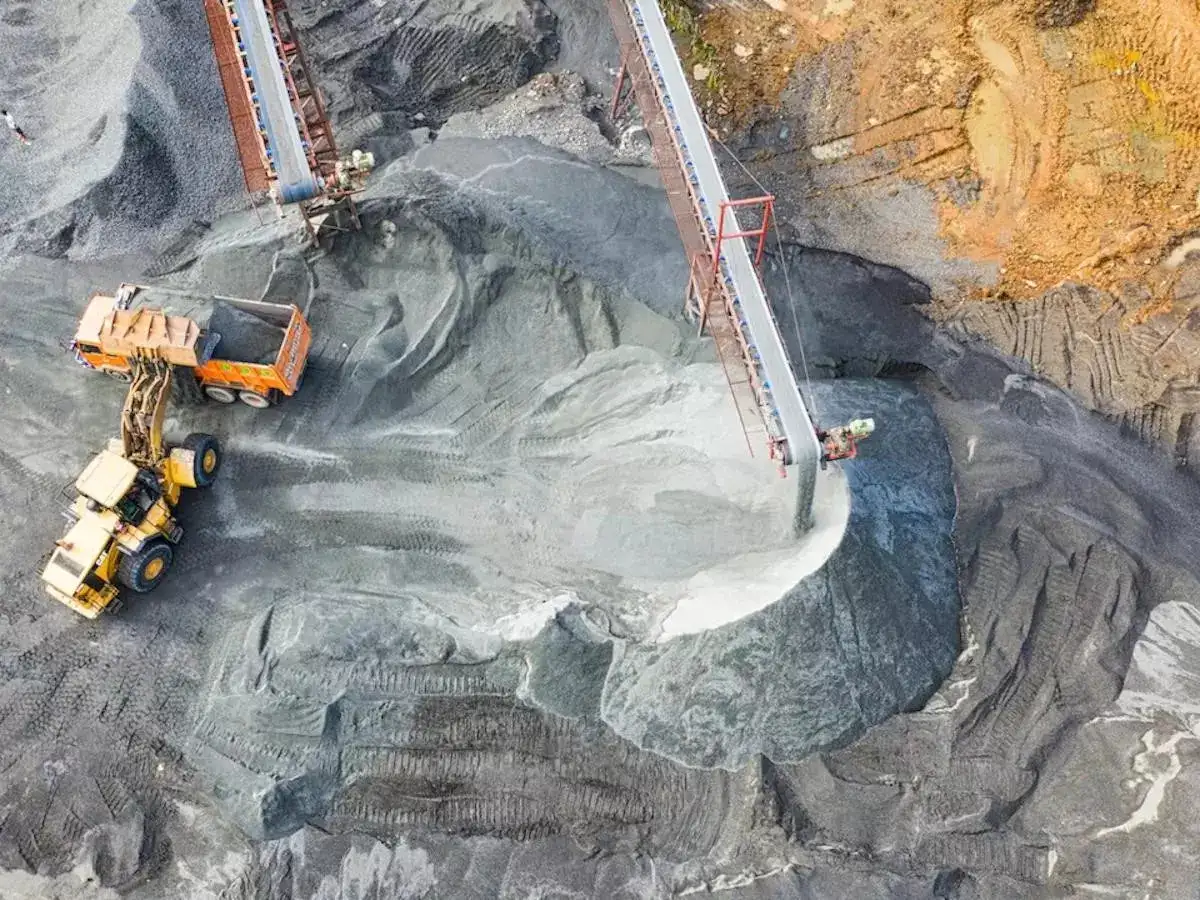
India’s industrial giants, long synonymous with traditional energy and mining sectors, are now eyeing a radically different future. NMDC, the country’s largest iron ore producer, and Coal India, the world’s largest coal miner, are shifting their focus toward rare earths and EV magnets—critical materials that power the global electric vehicle revolution. The move reflects a clear recognition that iron and coal, once the pillars of India’s industrial growth, may not be the commodities of the future. Instead, the new era belongs to cleaner technologies and the strategic resources that enable them.
At the heart of this pivot lies the electric vehicle (EV) boom. EVs rely on high-performance permanent magnets, primarily made of rare earth elements such as neodymium, praseodymium, and dysprosium. These magnets are essential for the motors that drive EVs, wind turbines, and other renewable energy technologies. Currently, global production and supply chains of rare earth magnets are heavily concentrated in China, giving Beijing significant leverage in this strategic sector. By moving into EV magnet production, NMDC and Coal India are signaling their intent to reduce India’s dependence on imports while also seizing a lucrative opportunity in the clean energy economy.
For NMDC, the transition from iron ore to rare earths represents a natural evolution. The company already possesses geological expertise, mining infrastructure, and experience in resource management. With global demand for EV magnets expected to skyrocket, NMDC sees diversification not just as an opportunity but as a necessity to future-proof its portfolio. By tapping into India’s underexplored reserves of rare earth elements, the company could play a pioneering role in building a domestic value chain for EVs.
Coal India’s move is even more symbolic. Once seen as a symbol of India’s carbon-heavy economy, the state-run giant is now exploring ways to reposition itself in a world that is moving decisively away from fossil fuels. With coal consumption expected to plateau and eventually decline, the miner is under pressure to diversify. Investing in EV magnets aligns with India’s net-zero ambitions and gives Coal India a foothold in a sector that promises growth far beyond the life cycle of coal.
This strategic shift also dovetails with the Indian government’s broader vision of becoming a global hub for clean technology manufacturing. Through initiatives such as “Make in India” and the Production-Linked Incentive (PLI) schemes, the government is pushing for the creation of domestic supply chains in EVs, batteries, and renewable energy. By investing in EV magnets, NMDC and Coal India are positioning themselves as key players in this ecosystem, ensuring that India is not left behind in the race for critical minerals and advanced manufacturing.
The move, however, is not without challenges. Mining and processing rare earths is technologically complex and environmentally sensitive. India will need to develop not only the mining capacity but also the downstream capabilities to refine, process, and manufacture EV magnets at scale. Building partnerships with global technology leaders, investing in research and development, and creating skilled manpower will be crucial if these companies are to succeed.
Yet, the long-term potential is undeniable. EV sales are growing exponentially across the globe, and clean energy technologies are becoming the cornerstone of modern economies. For companies like NMDC and Coal India, diversifying into EV magnets is more than a business opportunity—it is a survival strategy in a world moving rapidly away from coal and conventional metals.
In many ways, this pivot represents the larger story of India’s industrial transformation. Just as the nation once rode the coal and iron wave to build steel mills, power plants, and heavy industries, it is now preparing to ride the wave of EVs, green energy, and sustainable technologies. The future of energy and mobility will not be written in coal dust or iron ore but in the gleaming alloys of rare earth magnets.
The bets by NMDC and Coal India on EV magnets mark a turning point for India’s resource economy. These giants are no longer just suppliers of the old industrial age but are reinventing themselves for the clean-tech era. Their success—or failure—will not only shape their own destinies but also determine how well India positions itself in the fast-emerging global race for energy transition materials.