

Support CleanTechnica’s work through a Substack subscription or on Stripe.
Fuel prices in the Philippines have breached the P90 (~$1.50) per liter mark (~$5.40 per gallon) and is expected to increase in the next few weeks.
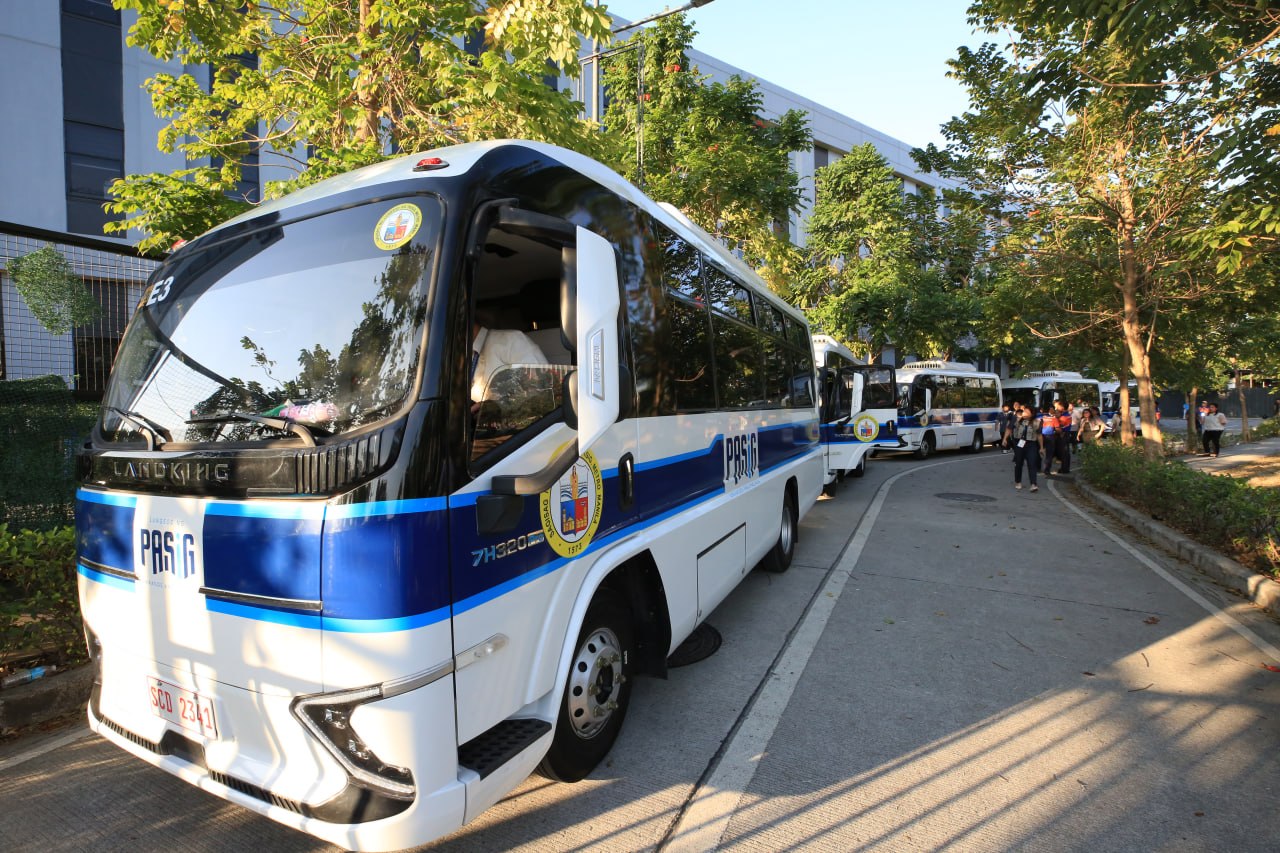
In response, the Pasig City government fast tracked the release of five new electric minibuses on yesterday, March 23, marking a P19.9 million e(~$332,300) expansion of the city’s Libreng Sakay (Free Ride) program. The deployment, led by Mayor Vico Sotto, is designed as a direct response to the increasing financial burden on commuters caused by volatile global fuel prices. Pasig City has been seen as a model municipality run by a youthful, idealistic mayor getting things done.
Each unit cost the city approximately P4 million and has been configured to carry 22 seated passengers and 8 standing commuters. The Pasig City Transport Development and Management Office (CTDMO) will oversee the initial deployment along a strategic corridor in the city’s main road, Caruncho Avenue.
During the launch, Sotto framed the initiative as a practical shift toward sustainable infrastructure rather than a purely symbolic environmental gesture, noting that electric mobility offers a hedge against the rising fares associated with diesel-powered public transport.
This local rollout serves as a precursor to a wider regional expansion of the “Electric Love Bus” program scheduled for late April.
Unlike the city-owned minibuses, the Love Bus initiative is a public-private partnership between the Metropolitan Manila Development Authority (MMDA) and Global Electric Transport (GET) Philippines. That program will deploy 10 larger electric units, each capable of carrying 30 passengers, to serve a cross-jurisdictional loop connecting commercial hubs in the city and nearby cities.
The integration of these electric vehicles reflects a broader maturation of Pasig’s urban mobility strategy. While the city’s early efforts focused on neighborhood-level loops reminiscent of traditional school shuttle services, the 2026 roadmap points toward a networked system. City officials confirmed that these five minibuses are the first phase of a larger plan to incorporate at least 1o more electric units into the local fleet by the end of the year, contributing to a regional target of 500 zero-emission buses across Metro Manila.
Sign up for CleanTechnica’s Weekly Substack for Zach and Scott’s in-depth analyses and high level summaries, sign up for our daily newsletter, and follow us on Google News!
Have a tip for CleanTechnica? Want to advertise? Want to suggest a guest for our CleanTech Talk podcast? Contact us here.
Sign up for our daily newsletter for 15 new cleantech stories a day. Or sign up for our weekly one on top stories of the week if daily is too frequent.
CleanTechnica uses affiliate links. See our policy here.
CleanTechnica’s Comment Policy