


Support CleanTechnica’s work through a Substack subscription or on Stripe.
These days it feels amazing to be net zero. With gas prices topping $4/gallon nationally for the first time in four years, natural gas (aka methane) prices up 11% over last year, and even electricity prices rising 9% due in part to data centers, my family can breathe easy knowing our energy bills are zero.
Yes, zero, zilcho — we have no home or vehicle energy bills, besides the $17/month utility charge we pay to be connected to the electrical grid. The solar panels on our home produce all the energy our abode and our electric vehicle use over the course of a year. No more eye-popping visits to the gas pump, no more spending thousands of dollars on fossil energy piped into our home.
A few short years ago, we used to buy energy like everyone else. We were subject to the frenetic ups and downs of energy prices. We were victims of stupid-war-oil-shocks. But we came up with a strategy to slowly add the three key technologies, PV, EV, and heat pumps, to our home and now we find ourselves energy bill free.
And if we can do this, you can too.
How To Become Your Own Energy Producer
Want to become your own oil refiner, gas station, heating provider, and power company? Not since humans used to rely on chopped wood has it been possible for us to harvest and provide our own energy like it is today.
Step 1 – PV
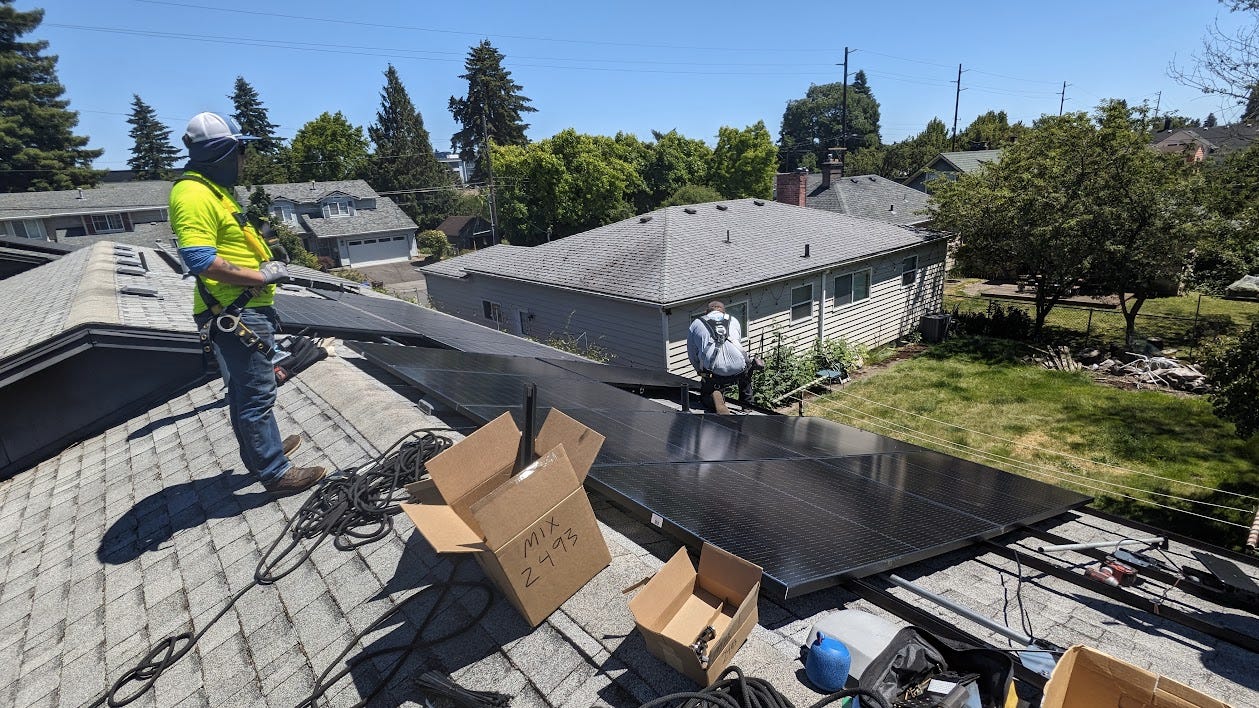
Solar (or photovoltaic PV) panels are now commonplace. 7% of homes in the US currently have them. PV is popular across the country and world and has been the fastest growing energy source for years.
Yes, Trump took away the solar tax credits this year, but there are still tax credits for solar leases. And solar prices have fallen so dramatically that it is still a great investment even without tax credits. We can speak to this from experience. When we bought solar panels for the first time in 2010, the overall system cost was $7.40 per watt (or $20,000 for a 2.7 kW system). When we installed solar on a rental property last year, it cost $2.77 per watt (or $20,000 for a 7.3 kW system).
We got an almost 3 times larger system in 2025 for the same price.
One of the great things about solar is that you can do it again and again. We’ve installed panels five different times over 15 years at three different properties. Our strategy has been to add some solar, electrify more systems in our house, and repeat.
Our payback for each system was typically 5-7 years and now our solar panels produce over $2,000 worth of electricity for our home annually. With PV, you lock in a price for electricity (what you pay for the panels when you have them installed) and then are immune to rising costs.
Plus, combining solar with an all electric lifestyle means you can produce all the energy your home and vehicle needs. There is nothing like plugging in while the sun is shining and knowing that those electrons entering your vehicle are being harvested right on your roof. No more Strait of Hormuz — just sunshine, panels, and (energy bill) freedom.
Step 2 – EV
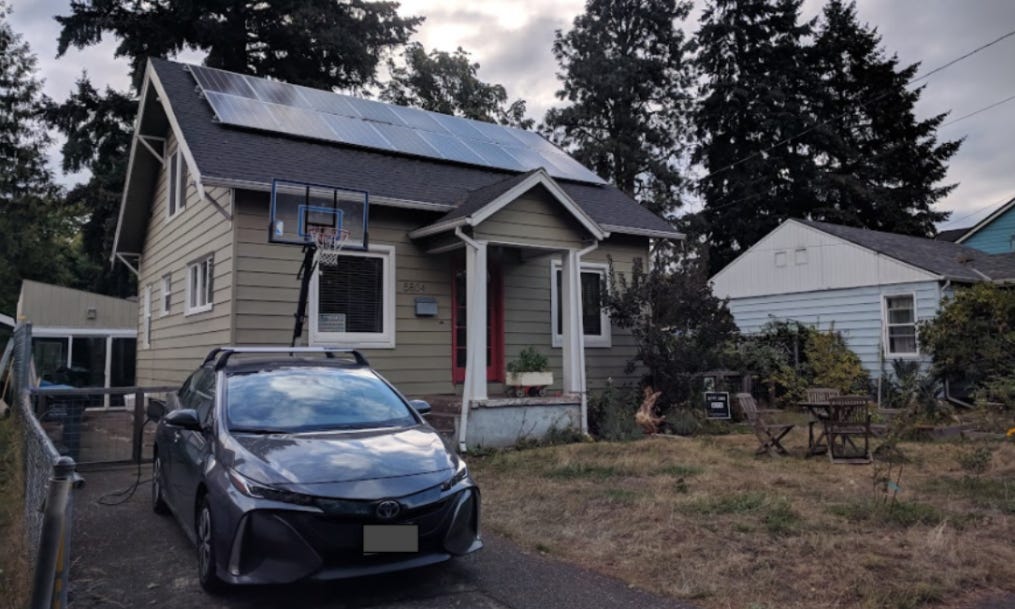
With gas topping $4 a gallon nationally and in some places over $7 a gallon, electric vehicles look even more attractive. Rather than being subject to the price swings of crazy oil wars, with an EV you can power your transportation with solar photons harvested from your rooftop.
And similar to our experience with solar panels, EV costs have come down so much it makes your head spin. When we first bought an EV in 2017, the only affordable option was a used Leaf which got 85 miles of range. Last year, we were able to lease a 300-mile range ID4 for under $200 a month. There are over a dozen great, long range EVs for sale for under $40,000, and pre-owned EVs offer a great value with lots of options available as EV sales have grown in the last several years. New reports show that modern EV batteries hold up over hundreds of thousands of miles and will outlast the vehicle itself, which makes used EVs even more attractive.
An electric vehicle can get you so much further for the same price of fuel than a fossil fuel one.
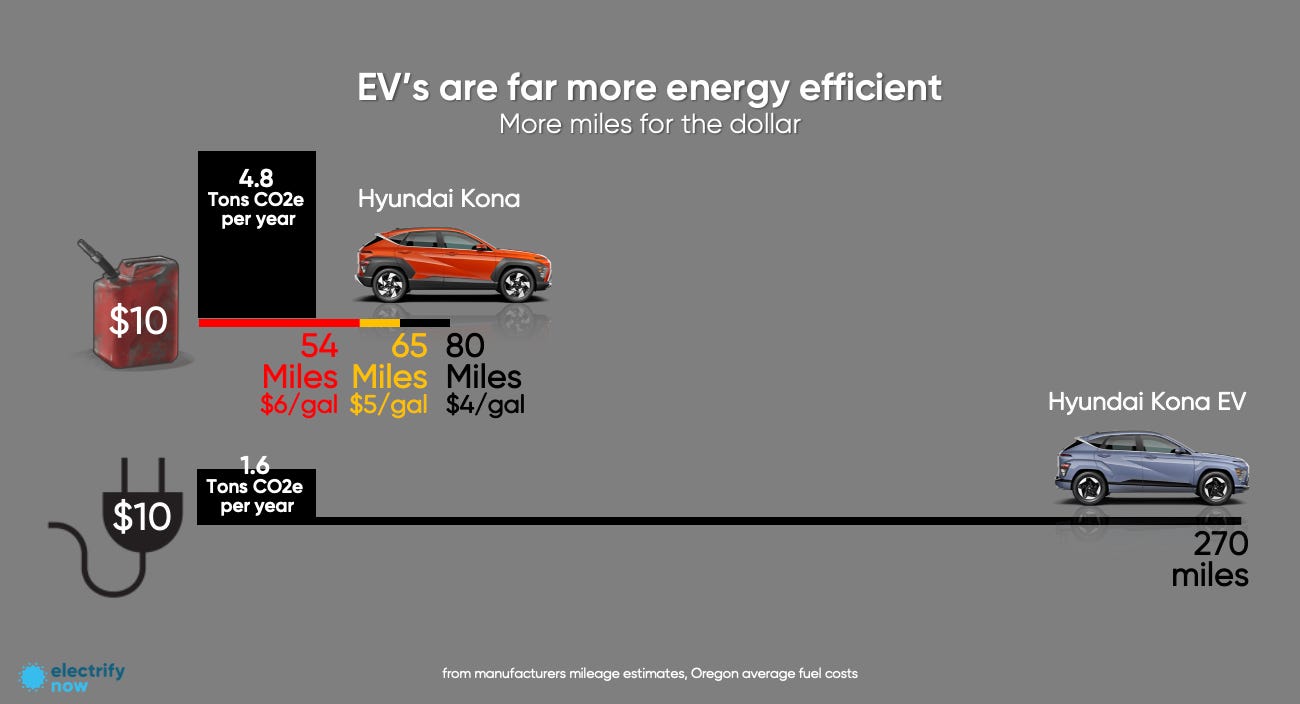
Plus there are so many other benefits like less maintenance, cleaner air, smoother ride, faster torque, plugging in at home — the list goes on and on!
Other electric and active transportation like e-bikes are amazing too.
Step 3 – Heat pumps
Heat pumps are the third and final key step to energy freedom. This includes heat pumps to heat your home, heat pump water heaters to heat your water, and even a heat pump dryer to dry your clothes. Heat pumps move heat rather than create it, which makes them 3-5 times more efficient than other ways to make heat (burning fossil fuels or electric resistance). Heat pumps also run on electricity, which means you can power them from the energy you produce on your rooftop.
Shortly after moving into our home in 2012, we replaced our gas furnace with ductless heat pumps and they keep our home warm in the winter and cool in the summer all while running on the solar energy we produce. We got a heat pump water heater in 2017 and it heats all the water for our four-person household, including our two kids who love an insanely long shower. We also got a heat pump dryer (and even a combi one for our ADU) to dry our laundry using a fraction of the energy of a standard one.
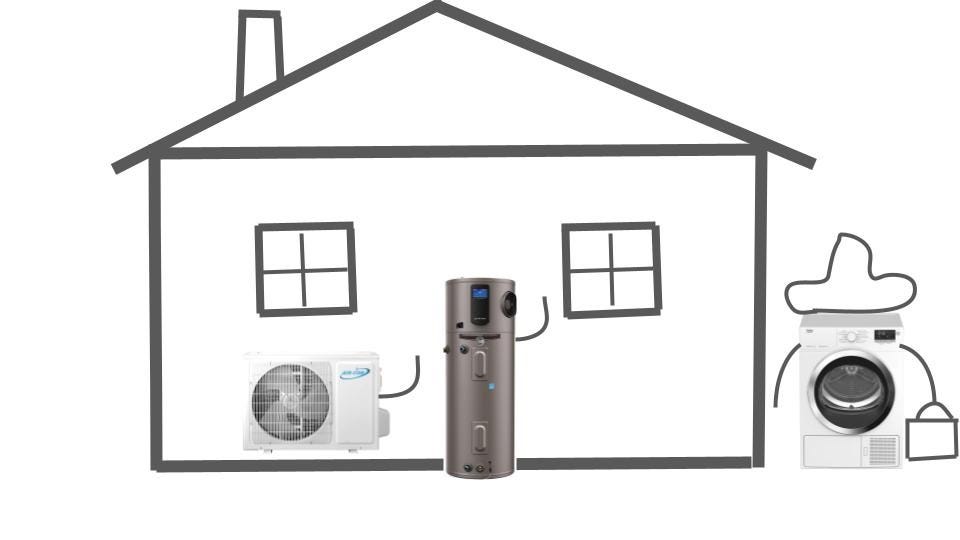
Together these technologies provide all the heat we need and do so incredibly efficiently. So much so that our 10 kW PV system can provide all the energy they need (over the course of the year).
Our home is also fossil fuel free which means our kids breathe better.
PV, EV, & Heat Pumps
Yes, these three technologies save the day. There are other great ones, like induction stoves and home batteries, but with PV, EV, and heat pumps, you can say goodbye to utility bills and hello to independence.
Like us, you don’t have to do it all at once. We tried to switch out or add on one big system per year and before we knew it we were net zero. And next time you’re shaking your head after paying $100 to fill your car or muttering to yourself about how high your natural gas bill is this month, remember there is a way to be free of these high costs and it’s more accessible to us now than anytime in the last 200 years. PV, EV, and heat pumps!
Sign up for CleanTechnica’s Weekly Substack for Zach and Scott’s in-depth analyses and high level summaries, sign up for our daily newsletter, and follow us on Google News!
Have a tip for CleanTechnica? Want to advertise? Want to suggest a guest for our CleanTech Talk podcast? Contact us here.
Sign up for our daily newsletter for 15 new cleantech stories a day. Or sign up for our weekly one on top stories of the week if daily is too frequent.
CleanTechnica uses affiliate links. See our policy here.
CleanTechnica’s Comment Policy