


Support CleanTechnica’s work through a Substack subscription or on Stripe.
In a recent article in CleanTechnica, David Waterford looked at the Sealion 7 in Australia. A few days later, media reported that the Sealion 7 had been quietly discontinued in China. Looking closer, BYD’s mainstream models in overseas markets are now clearly diverging from their offerings at home, with a few notable examples:
SUVs/Crossovers:
- Atto 2: Essentially the Yuan Up in China. About to be replaced with a model with an updated RWD model in China, offering LiDAR-based intelligent driving. It remains to be seen if this version makes it to export markets.
- Atto 3: Previous generation Yuan Plus. Some markets are offering an Atto 3 EVO, which is a RWD/AWD iteration of the previous platform. However, the model has been replaced with a new Yuan Plus in China, which is a different platform, larger, more powerful, longer range, RWD, flash charging vehicle. However, this model has only been released in the Chinese market.
- Sealion 5. Essentially a 2023 Song Pro on the older 4th generation DM-I platform with a 12.9 kWh battery, which offered 71 km of pure electric range under CLTC. The latest Song Pro in China is on the 5th generation DM-I platform with greater efficiency, more power and a larger 34.27 kWh battery providing 310 km of CLTC range. Not to be confused with the new Chinese market Sealion 05, which is a completely different model.
- Sealion 6: aka Seal U, which is BYD’s best-selling model in Europe. It is essentially a 2023 model Song Plus, also on the older 4th generation DM-I platform and without the 2025 intelligent driving updates. That model was discontinued in China last year. The new Chinese market Sealion 06 is a different model.
- Sealion 7: Recently cancelled in China, while being BYD’s best-selling model in Australia.
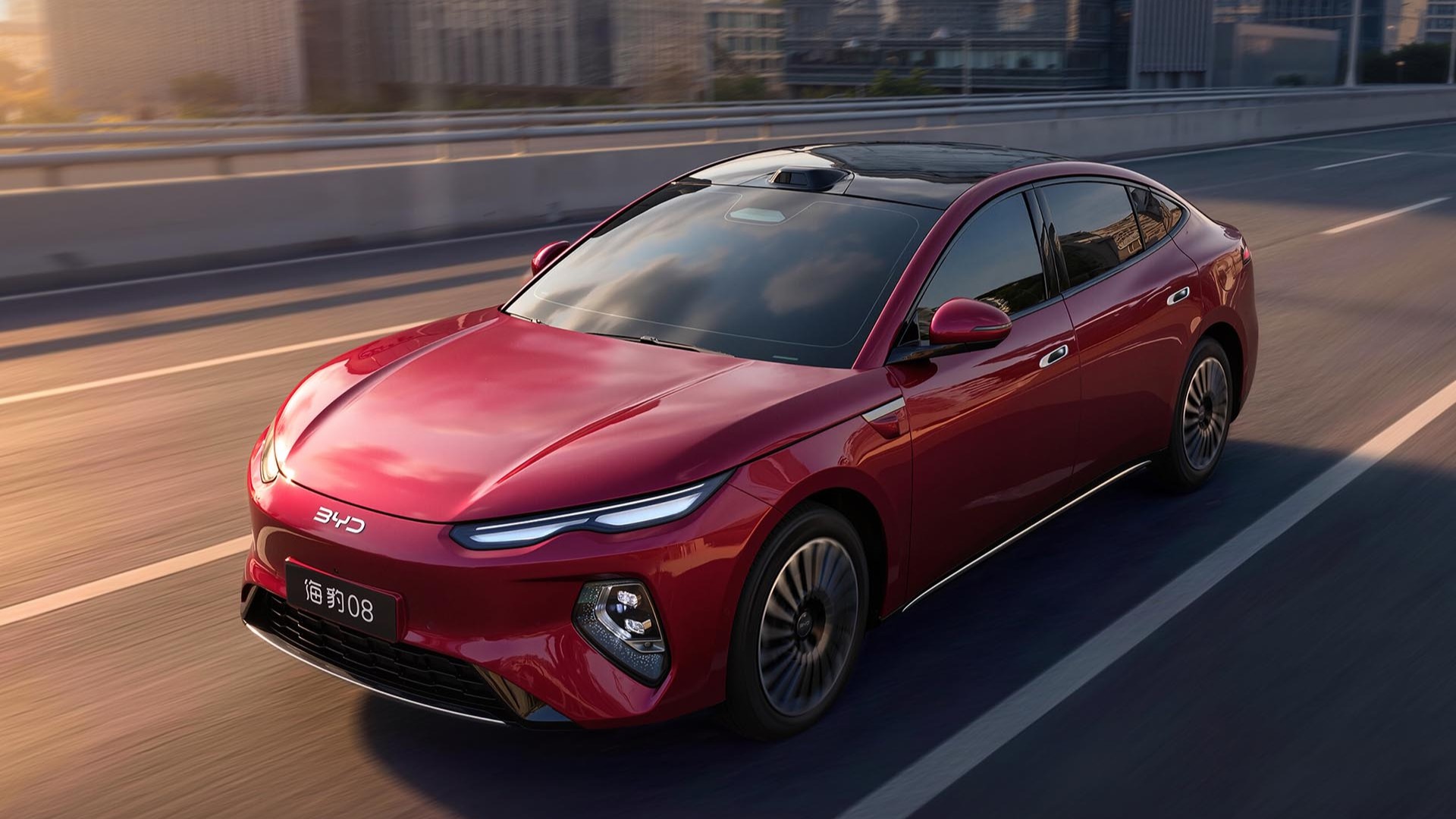
- Sealion 8: Essentially a Tang L DM. While this model is still offered in China, there is a lot of speculation that it will be discontinued there when the more advanced Datang production catches up with demand. BYD also has another new Tang model on the way in China that overlaps in many ways with the Tang L. The overseas Sealion 8 is also not to be confused with the Chinese market Sealion 08 that is anticipated to launch this month.

Cars:
- Seal: Discontinued in China. New Seal 08 is the current flagship in the Ocean series.
- Atto 1/Dolphin Surf/Dolphin Mini/Seagull: Has largely been a global model to date, except for some styling tweaks and the LiDAR and intelligent driving that is available in China. BYD has also offered more power in export markets. However, BYD also has a new, more powerful Seagull model on the way in China. It remains to be seen if/when overseas markets will get this version.
- Dolphin: Has had some cosmetic updates in China. However, we are still waiting for the annual update on this ageing model. There is speculation that it may soon be replaced with a new vehicle on a new platform with Blade 2.0 batteries in China. In addition, there is a Dolphin G being offered only in European markets.
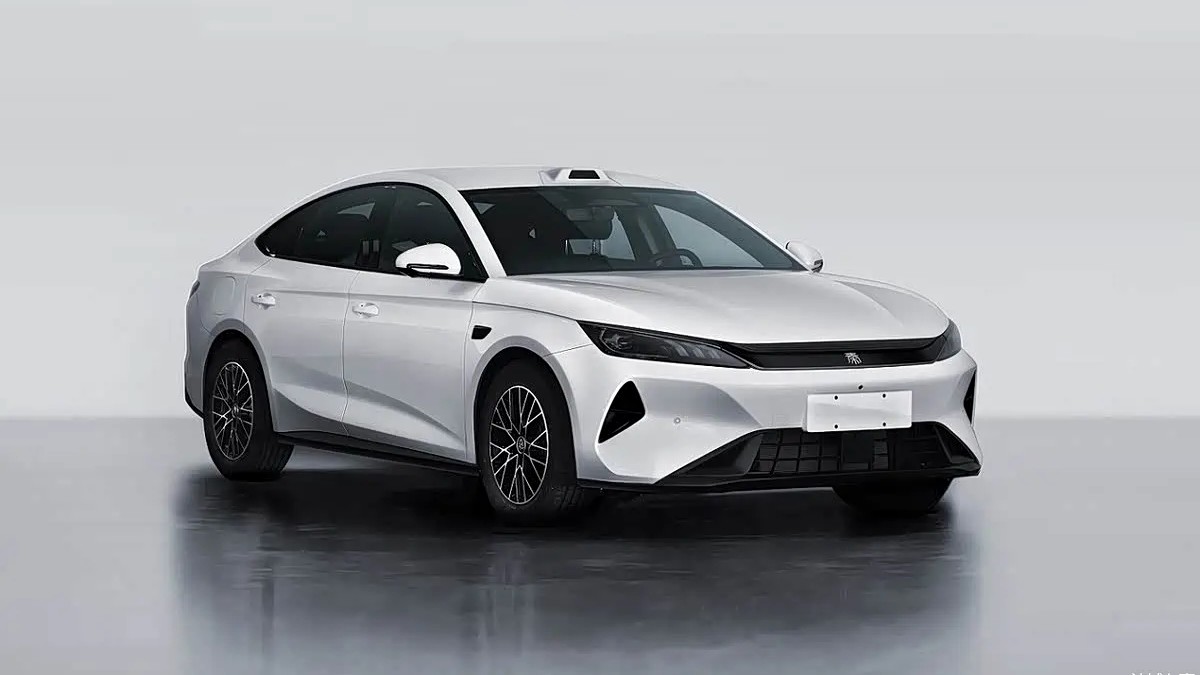
Several other new models are also anticipated across different lineups in China. When the new Han model (whatever its final name becomes) is launched, will the old Han persist in China, or will it shift to export markets? The Qin Max is on the way, but what will happen to the similar Qin L. Will it be updated or cut in China? Same goes for the Seal 06 sister models. The new models were exposed in regulatory filings in December, and we are still waiting on their release. They are likely delayed due to production constraints. We also have a new Qin Plus in recent filings.
And there are models only offered in overseas markets from the start, like the Shark 6. However, that vehicle recently filed with regulators for Chinese sales. Overall, we are seeing a divergence at BYD between the Chinese market and export markets. Most of their current overseas vehicles reflect previous generation vehicles in China.
Why Product Divergence?
There are several likely reasons why BYD is sending different models to overseas markets, including previous generation vehicles that have already been cancelled in China. While automakers have historically offered different models tailored to the preferences of different markets, that does not seem to be what is driving the divergence.
The Chinese market is the most competitive globally and has higher consumer expectations. In order to compete in China, vehicles have to be among the best in the world or the best value. New, more advanced models need to be introduced with a speed of cell phones. The bar keeps rising. Chinese safety and emissions requirements are now also the highest in the world. Having higher requirements means they could easily adapt the vehicles to other markets where the regulations are not as strict. There is a chance that BYD may expand its latest models into other markets as soon as it ramps up production to meet domestic demand.
However, they currently don’t need to rush them to overseas markets. To compete in other markets, they simply need to be better than what is available from the competition in those markets. With less competition than within China, the bar is lower. As such, BYD can get more miles out of existing platforms and tooling that are no longer relevant within China. The cost to develop the platforms, production processes and tooling has already been spent. That helps to keep costs down.
With tariffs and tariff threats, keeping costs down increasingly becomes a priority. The threat aspect is important. For example, as the UK is set to increase Brexit tariffs at the end of the year, the threat of tariffs leads to higher prices now. BYD has maintained elevated prices to maintain price consistency in case the tariffs go into effect. In addition, due to the low costs and inflated prices, BYD can easily prove any claims of “dumping” are complete nonsense. If anything, you could accuse BYD of price gouging. However, with more open trade and more trade certainty, prices could come down and/or more advanced vehicles could be offered.
BYD is also expanding production overseas. Much of that production is likely to use previous generation technology to protect IP. Many of the models that have started production or are slated to start production soon are also models discontinued in China. Measures intended to force localization and technology sharing will ensure that those markets never get the latest and greatest technology. Countries will tend to get the relatively dated technology that companies can afford to lose. The stricter the requirements, the more outdated the technology.
As individual global markets are smaller than China, many markets will have their vehicle selection impacted by their neighbors. Even if New Zealand, for example, were to have completely free trade with China, they are not large enough on their own to justify a completely country-specific product mix. As such, they would likely get vehicles that reflect their neighbors and other RHD markets, although prices may end up lower.
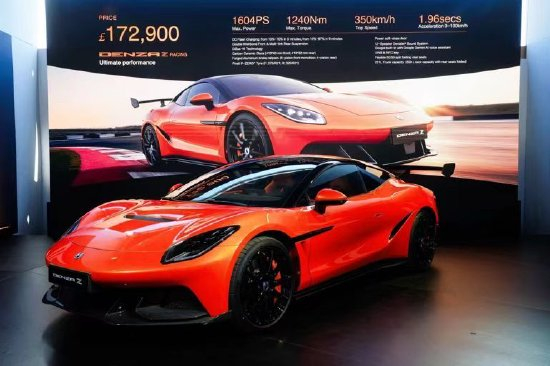
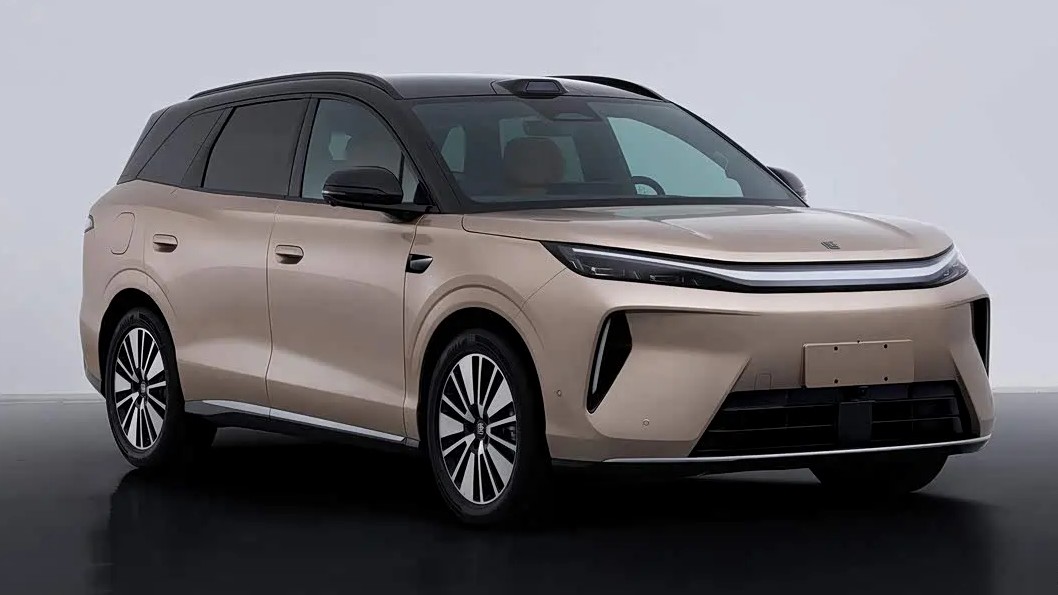
The big outlier is BYD premium brands. For example, the global Denza Z9GT reflects the latest Chinese market model, including flash charging and a wide range of advanced technologies. However, BYD priced that vehicle in Europe at €115,000 ($131,500). That compares to Chinese prices starting at 269,800 ($39,718 USD). The new Z9S and N8 could also potentially end up in Europe at a similar premium. BYD also recently released pricing for the 1600 hp Denza Z sports car in the UK at £142,900 ($191,659 USD). Arguably, that price is still a better deal than a comparable 911, but it is dramatically more expensive than the anticipated price in China. As such, BYD/Denza is pricing at over three times as much in Europe. Enough to absorb even a 100% tariff and remain profitable. For premium vehicles showcasing the latest technology, I have a feeling that BYD will keep production within China and price significantly higher to compensate for potential protectionist measures. However, once the threat of protectionism is reduced, prices could come down. With the elimination of forced localization and technology sharing measures, we could even see more advanced vehicles being made in countries outside of China.
Of course, not having the latest technology available in mainstream vehicles is frustrating. A PHEV with 310 km of battery range tends to have far more of its typical driving happen under battery power than a model with 71 km of range. Having flash charging available on more affordable models could accelerate adoption of the technology that recharges EVs as fast as ICE refuels. Combined with comparable ranges to ICE, that could remove one of the last holdups for some consumers to make the switch. Having unhindered access to the latest and best technology, with more efficient and powerful powertrains, could make EVs fundamentally better than ICE in every way while costing less. As they are currently in China.
However, BYD seems to be taking a safer route in export markets. Their sales are still growing rapidly due to vehicles that are still competitive in overseas markets, even if they are not the most advanced models being produced. But BYD’s lineup could be blowing the local competition out of the water. That, of course, would attract attention and protectionist backlash. I have heard that some people within BYD feel like they are being targeted. BYD is playing it safe by offering older models at conservative prices.
That safe route may change if the Chinese competitive dynamic enters other markets. XPENG, for example, is being bold by launching its new MONA L03 globally. It will have their excellent VLA 2.0 intelligent driving system included shortly after the associated regulations go into effect. The EREV version of the L03 will have 315 km of WLTP battery range. XPENG is not waiting to bring their latest technology to global markets. If XPENG claims the technology lead, others will try to compete.
If other Chinese automakers also enter with their latest models, BYD will feel pressure to do the same. We could see competition disrupt markets rapidly and accelerate the EV transition… if politicians allow that to happen.
Sign up for CleanTechnica’s Weekly Substack for Zach and Scott’s in-depth analyses and high level summaries, sign up for our daily newsletter, and follow us on Google News!
Have a tip for CleanTechnica? Want to advertise? Want to suggest a guest for our CleanTech Talk podcast? Contact us here.
Sign up for our daily newsletter for 15 new cleantech stories a day. Or sign up for our weekly one on top stories of the week if daily is too frequent.


CleanTechnica uses affiliate links. See our policy here.
CleanTechnica’s Comment Policy